 Blaine
 Siding in Ferndale: A Different Set of Demands Than Inland Washington
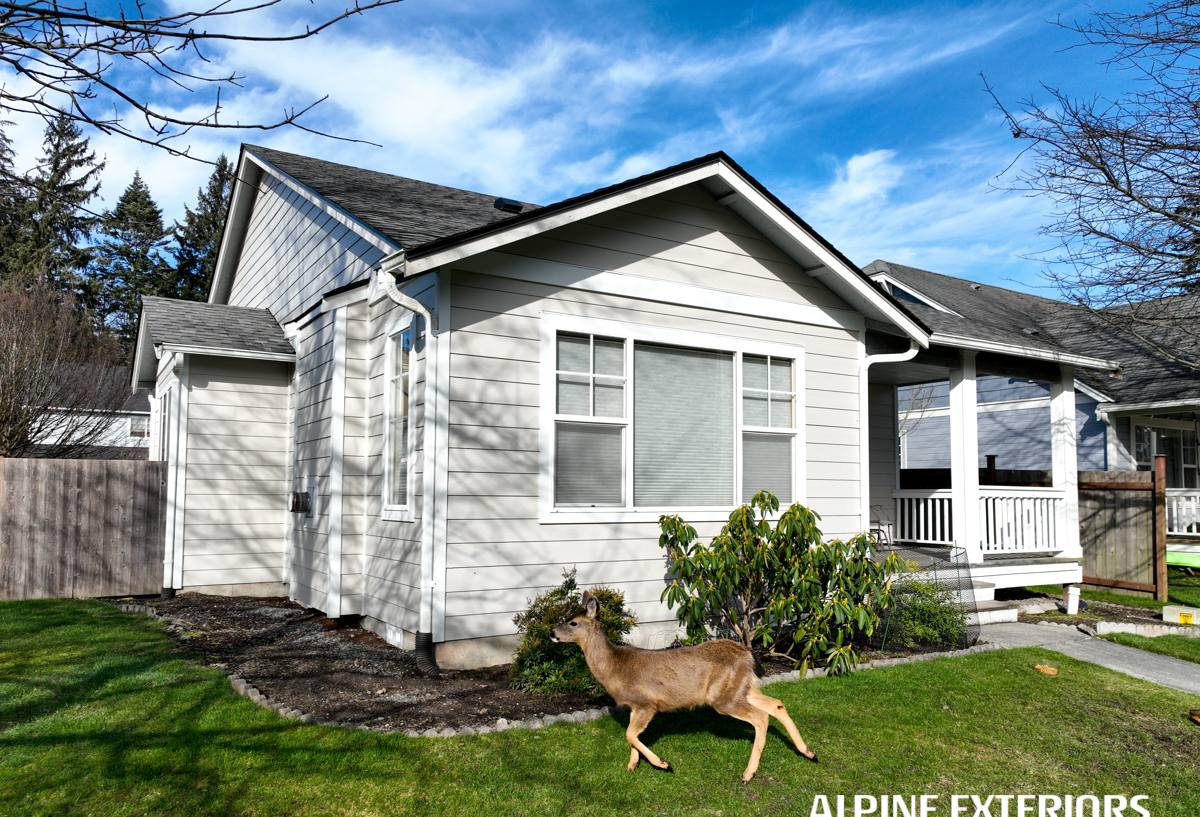
Ferndale sits close enough to the water and to the open exposure of northern Whatcom County that its homes take on a specific combination of weather stress: salt-laden air moving in off the coast, long stretches of driving rain through fall and winter, and a moss season that can stretch for the better part of the year on shaded or north-facing walls. None of these things are dramatic on their own. What matters is that they show up together, and they show up every year, for the life of the house. Siding that's marginal for this climate doesn't fail in one dramatic event — it fails slowly, in ways that are easy to miss until a wall is already soft underneath the paint.
We install and repair siding, roofing, windows, and decks for homes throughout the Blaine and Ferndale area, and Ferndale's housing stock reflects a real mix: older farmhouses and in-town homes with decades of siding history, newer subdivisions built in the last twenty years, and a fair number of properties on larger lots with more wind and rain exposure than a sheltered in-town block would see. Each of those situations calls for a slightly different read on where the exterior is under the most stress.
What Salt Air, Rain, and Moss Actually Do to a Wall
Salt air and metal fasteners
Ferndale isn't beachfront, but it's close enough to Puget Sound and Georgia Strait exposure that airborne salt is a real factor, especially on homes with more open, unobstructed exposure to prevailing weather. Salt accelerates corrosion in exposed fasteners, flashing, and any metal trim that isn't properly coated or protected. Over years, corroding fasteners can loosen siding panels or stain the surface around the fastener head — a cosmetic problem at first that can become a water-entry point later.
Driving rain and wind-driven moisture
Straight-down rain is manageable for almost any siding product installed reasonably well. Driving rain — rain pushed sideways by wind against a wall — is a different problem. It gets forced into seams, laps, and butt joints that would otherwise stay dry, and it tests the quality of flashing details and caulking far more than calm weather ever would. Whatcom County gets its share of wind off the water, and homes with more exposed siting catch more of it.
Moss, algae, and prolonged dampness
Shaded walls, north-facing elevations, and anything near mature trees or dense landscaping in Ferndale can stay damp for extended stretches, especially through the wetter months. That prolonged dampness is exactly what moss and surface algae need to establish. On some siding materials this is just a cleaning issue. On others — particularly wood-based products where moisture can get past the surface — sustained dampness against the material itself is a slower, more structural concern.
Why We Install Only James Hardie Fiber Cement
We made a deliberate decision to install one siding system — James Hardie fiber cement — rather than offer a menu of products at different price points. We don't install vinyl, LP SmartSide, Cemplank, Allura, or primed wood siding like spruce or cedar. That's not a marketing position; it's a standard we hold to because of what we've seen play out on real homes in this climate over time.
Fiber cement is non-combustible, which matters on its own merits, and it does not absorb and swell with moisture the way wood-based or wood-fiber products can. In a climate where a wall can stay damp for days at a stretch, that distinction carries real weight. James Hardie's ColorPlus factory-applied finish is baked on under controlled conditions rather than field-applied, which gives more consistent coverage and a longer service life before repainting is needed — a genuine advantage in a region where field-applied finishes get less drying time between weather systems. Hardie also engineers specific product lines (its HZ5 line, for example) for wetter, more variable climates like the Pacific Northwest, and backs the product with a strong transferable warranty when it's installed to the manufacturer's specifications.
None of this means other products are without merit — vinyl is inexpensive and low-maintenance in mild conditions, engineered wood products have their own strengths, and cedar has real aesthetic appeal. We simply concluded that for the maintenance burden, moisture behavior, and long-term performance we want to stand behind in this specific climate, fiber cement is the product we're willing to put our name on.
How the Common Alternatives Compare
| Product | Moisture Behavior | Maintenance | Why We Don't Install It |
|---|---|---|---|
| Vinyl siding | Doesn't absorb water, but can warp or crack in temperature swings and impact | Low, but limited repair options once damaged | Can look and perform inconsistently over decades; seams and panels are prone to wind damage in exposed sites |
| LP SmartSide | Engineered wood strand — treated, but still wood-based | Moderate; edge sealing is critical | Cut edges and joints need diligent sealing to prevent moisture intrusion over time |
| Cemplank / Allura | Fiber cement, similar base material to Hardie | Comparable to Hardie | We standardized on one manufacturer for consistent specs, warranty terms, and factory finish quality |
| Primed spruce or cedar | Natural wood; absorbs moisture without diligent upkeep | High — regular repainting and sealing | Sustained damp exposure common in this area shortens service life without frequent maintenance |
| James Hardie fiber cement | Resists moisture absorption and swelling | Low; factory finish extends repaint intervals | Our standard product for this climate |
What a Siding Job Actually Involves Here
A siding replacement or repair on a Ferndale home isn't just panels going up. The parts that determine whether it holds up for decades are mostly the parts nobody sees once the job is finished:
- Assessing the condition of the wall sheathing and framing underneath existing siding before anything new goes on
- Correct water-resistive barrier installation and lap sequencing so water sheds outward at every seam
- Flashing at windows, doors, and any wall penetration — the single most common source of hidden moisture problems when done wrong
- Proper fastener selection and placement to resist corrosion from salt air exposure over the long term
- Following manufacturer-specified gaps, clearances, and fastening patterns rather than generic install practices
- Attention to ground clearance and drainage at the base of walls, especially on properties with less slope away from the foundation
Roofing, Windows, and Decks: The Rest of the Building Envelope
Siding doesn't work in isolation. A roof that's shedding water improperly onto a wall below, windows with failing seals, or a deck ledger board that's trapping moisture against the house can all undermine even a well-installed siding job. Because we handle roofing, windows, and decks alongside siding, we look at the whole envelope during an estimate rather than treating siding as a standalone project. That matters especially in a climate where water finds the weakest connection point between systems, not just the weakest material.
Cost Factors for Ferndale Homeowners
Every home is different, but a few factors consistently drive cost on siding projects in this area more than homeowners expect:
| Factor | Why It Affects Cost |
|---|---|
| Condition of existing sheathing | Hidden moisture damage found during tear-off means repair work before new siding can go on |
| Home size and wall complexity | More corners, gables, and trim details mean more labor and cut waste |
| Number of window and door openings | Each opening needs its own flashing detail, which adds time regardless of siding material |
| Exposure and elevation | Homes with more direct wind and rain exposure warrant closer attention to flashing and fastening |
| Trim and accessory choices | Corner boards, fascia, and trim profiles affect both material cost and finished appearance |
We provide written estimates that break these factors down for your specific home rather than a flat per-square-foot number that doesn't reflect what your walls actually need.
Why a Local Crew Matters for This Kind of Work
A lot of what separates a siding job that lasts twenty-five years from one that needs attention in eight comes down to judgment calls made on site — how a particular wall is exposed, whether a shaded corner needs extra attention to drainage, how a specific roofline is dumping water onto the wall below it. That judgment comes from working on homes in this specific area repeatedly, not from a general national playbook. A crew that knows Whatcom County's weather pattern, and has seen how it plays out on real walls over real winters, makes different decisions than one seeing the region for the first time.
Signs Your Current Siding May Need Attention
- Soft or spongy spots when you press on the siding, especially near the bottom of walls or below windows
- Paint that's peeling or bubbling in a way that keeps coming back after repainting
- Visible gaps opening up at seams, corners, or trim boards
- Persistent moss or algae growth that returns quickly after cleaning
- Warping, buckling, or panels that look wavy from an angle
- Rust staining running down from fasteners or metal trim
Any one of these on its own might be minor. Several together, especially on a wall with heavier weather exposure, are worth having looked at before the next wet season.
Get a Straightforward Estimate
If you're weighing options for your Ferndale home — whether that's a full siding replacement, a roof that needs attention, window upgrades, or a deck project — we're happy to take a look and walk you through what we're seeing, with no pressure and no obligation. The form below gets you a free estimate from a crew that works this area regularly and can speak plainly about what your specific home needs.