 Blaine
 Window Installation Built for Ferndale's Coastal Climate
Ferndale sits close enough to the Salish Sea that homes here take on a different kind of weathering than houses further inland. Salt-laden air drifts in off the water, driving rain comes in sideways for weeks at a stretch through the fall and winter, and the long gray moss season means anything with a north-facing exposure stays damp far longer than it should. Windows are one of the first places that shows up. A frame or sill that would last two decades in a drier climate can start failing in half that time here if it wasn't installed with this specific weather pattern in mind.
We install windows in Ferndale and the surrounding Blaine and Whatcom County area regularly, and the job is not just "put the new window where the old one was." It's flashing, sealing, and sequencing the work so water has nowhere to go but back outside — every time, not just on a good install day.
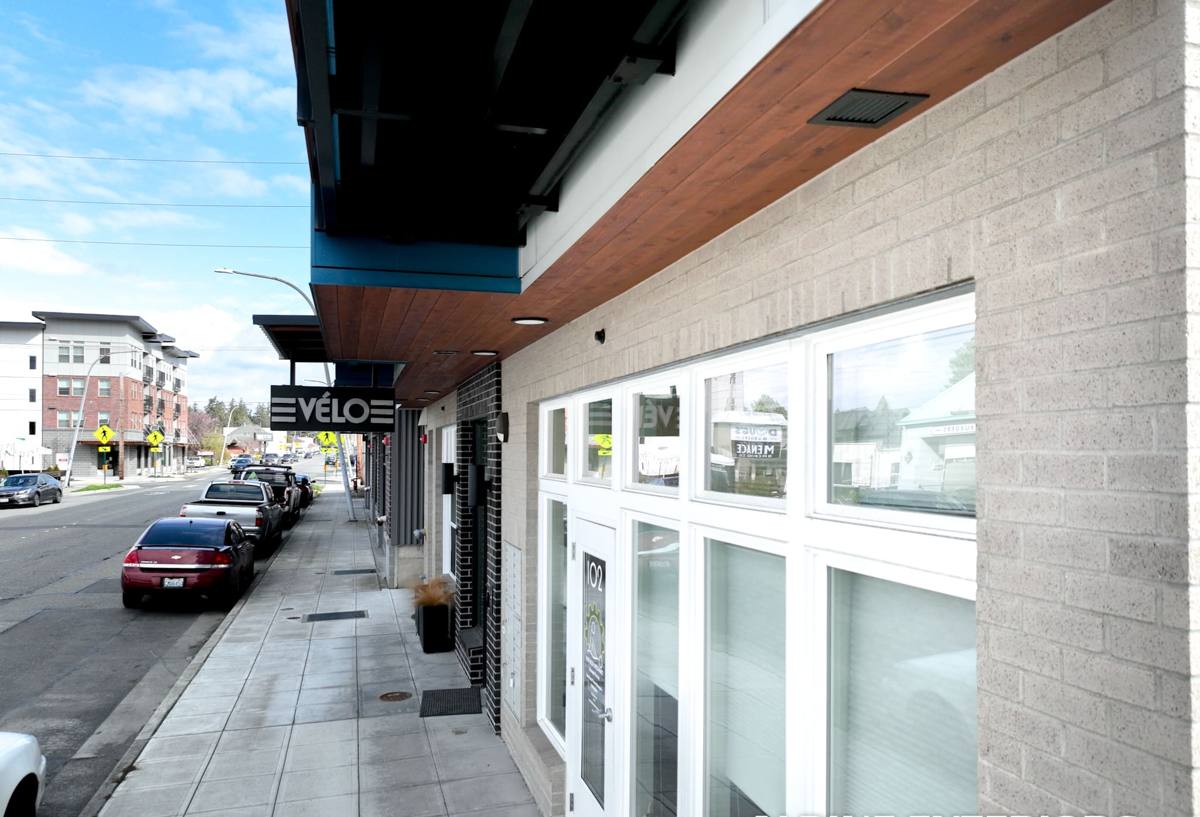
How Ferndale's Weather Actually Wears Down Windows
A few things compound on each other here, and it's worth understanding them before you're picking out new units:
- Salt air corrosion — metal hardware, screen frames, and some aluminum components corrode faster in coastal air, especially on window walls facing the water or open exposure.
- Driving rain — wind-driven rain doesn't just hit a window straight on; it gets pushed sideways and upward under trim and around poorly sealed edges, which is where most leaks actually start.
- Moss and organic growth — extended damp periods let moss, algae, and mildew take hold on sills, trim, and anywhere water sits instead of draining. That growth holds moisture against wood and caulk longer, accelerating rot and seal failure.
- Temperature swings — Whatcom County gets its share of freeze-thaw cycles in winter, which stresses seals and caulk lines that are already compromised by moisture.
None of this means windows fail fast in Ferndale — it means the installation details that get skipped elsewhere can't be skipped here.
Signs a Ferndale Home Needs New Windows
Most homeowners call us after noticing one or two of these, not because they went looking for a problem:
- Fogging or condensation between the panes — the seal on the insulated glass unit has failed
- Soft or discolored wood at the sill or bottom corners of the frame
- Drafts you can feel near the frame even when the window is fully latched
- Windows that are hard to open, close, or lock — frames have swelled, warped, or shifted
- Visible gaps between the trim and siding, or caulk that's cracked and pulling away
- Rising heating bills without an obvious cause
- Moss or dark staining building up on the sill or lower trim that keeps coming back
Any one of these on its own might just need a repair. Several together, especially on the same window or wall, usually means it's time to talk about replacement.
What a Correct Installation Actually Involves
Window installation quality is decided in the details most people never see once the trim goes back on. In a climate like Ferndale's, three things matter more than anything else:
Flashing and Drainage
Every window needs a path for water to drain out if it ever gets behind the exterior cladding — and in driving rain, some water will get behind it eventually, even on a well-built wall. Proper flashing at the sill, jambs, and head, installed in the correct shingle-lap order (bottom pieces overlapped by the ones above, never the reverse), is what keeps that water moving out instead of pooling against the framing.
Air and Water Sealing
We use sealants and flashing tapes rated for exterior exposure, not general-purpose caulk that hardens and cracks within a couple seasons. The window unit itself also needs to be shimmed square and plumb so the sash operates correctly and the seal around the perimeter stays consistent — a window installed slightly out of square will develop gaps over time no matter how good the caulk is.
Interior Vapor Management
Sealing the exterior is only half the job. The interior side needs to manage vapor correctly too, or you trap moisture inside the wall cavity — which, in a damp climate, is exactly how hidden rot starts. This is one of the most common shortcuts on rushed installs, and it's usually invisible until there's already a problem.
Our Installation Process
- On-site assessment — we look at existing window condition, framing, siding type, and any signs of prior water intrusion before recommending anything.
- Product selection — we go over frame material, glass package, and style options based on your home's exposure and your budget, not a one-size-fits-all recommendation.
- Removal — old units come out carefully to protect the surrounding siding and trim, and we check the framing underneath for hidden rot or damage before anything new goes in.
- Framing repair (if needed) — any soft or damaged framing gets addressed before the new window goes in. Installing a new window over compromised framing just hides the problem.
- Flashing and installation — proper shingle-lap flashing, shimming for square, and exterior-rated sealants specific to Whatcom County's wet-weather demands.
- Interior and exterior finish work — trim, caulking, and insulation around the frame, finished to match your home.
- Final walkthrough — we check operation, locks, and seals with you before we consider the job done.
Choosing the Right Frame Material for a Coastal Climate
Frame material matters more here than in a drier inland climate, because it's fighting both moisture and salt air over the life of the window. Here's how the common options stack up for a Ferndale home:
| Material | Moisture & Salt Air Performance | Maintenance | Trade-offs |
|---|---|---|---|
| Vinyl | Won't rot or corrode; handles coastal moisture well | Low — occasional cleaning | Fewer color options; can't be repainted |
| Fiberglass | Very stable in temperature swings and moisture; strong against warping | Low | Higher upfront cost than vinyl |
| Wood-clad | Exterior cladding protects the wood, but any seal failure exposes wood to rot | Higher — cladding seals need monitoring | Best interior appearance, but least forgiving of installation mistakes in wet climates |
| Aluminum | Prone to corrosion in salt air unless specifically coated and maintained | Moderate to high near the water | We generally steer coastal-exposure homeowners toward other materials for this reason |
We don't push one material on every job — a west- or north-facing wall that takes the brunt of the weather off the water is a different decision than a sheltered, south-facing wall on the same house.
What Affects the Cost of a Window Installation
Every home is different, so we won't quote a number without seeing the job, but these are the main factors that move the price up or down:
| Factor | Why It Matters |
|---|---|
| Number and size of windows | More material and labor per opening |
| Frame material | Vinyl, fiberglass, and wood-clad carry different unit costs |
| Framing condition | Rot or water damage found during removal adds repair time before the new unit goes in |
| Story height and access | Second-story or hard-to-reach windows take more time and equipment |
| Glass package | Upgraded insulated or coated glass costs more but performs better against condensation and heat loss |
| Trim and interior finish work | Matching existing trim profiles or repainting adds labor |
Why Hiring a Crew That Already Works Ferndale Matters
A crew that installs windows across Whatcom County and the Blaine area regularly has already seen how the local climate treats different products and installation methods over time — which frame materials hold up on exposed walls, where flashing tends to fail if it's rushed, and how long moss season actually runs in a given year. That's the kind of knowledge that doesn't show up in a manufacturer's spec sheet, and it's the difference between a window that's still performing in fifteen years and one that needs attention in five.
It also means we're not guessing at permitting, code requirements, or what inspectors in this area expect to see on a replacement job — we've been through it before.
A Simple Checklist Before You Hire
- Ask what flashing method they use and why — a real answer beats a vague one
- Confirm whether framing repair is included if rot is found during removal, or billed separately
- Get the glass package and frame material specified in writing, not just "vinyl windows"
- Ask how they handle sealant selection for exterior exposure versus interior use
- Check that the manufacturer's warranty and the installer's workmanship warranty are both explained clearly
- Ask for a written estimate that breaks out removal, materials, and finish work separately
Maintaining New Windows in a Wet Climate
Even a correctly installed window benefits from basic upkeep in a climate like this. Rinse salt residue off exterior frames a couple times a year if you're close to the water. Keep an eye on caulk lines at the trim for cracking, especially after a hard winter. Clear moss or debris off sills before it has a chance to hold moisture against the frame. None of this is a big job, but catching a small gap in the caulk before it becomes a leak is a lot cheaper than dealing with water damage later.
Get a Free, No-Pressure Estimate
If your windows are drafty, fogging, hard to operate, or just showing their age, we're happy to take a look and give you an honest read on whether repair or replacement makes sense for your Ferndale home. Fill out the form below and we'll set up a time to come take a look — no pressure, no obligation.