 Blaine
 Siding, Roofing, Windows, and Decks for Lynden Homes
Lynden sits in the heart of Whatcom County's agricultural valley, close enough to the Salish Sea and the Canadian border that the marine layer, low pressure systems, and seasonal fog reach it just as reliably as they reach the coast. Homes here deal with a long wet season, moisture-laden air moving in off the water, and the kind of shaded, humid microclimates that let moss and algae take hold on siding, trim, and roofing long before most homeowners notice the damage underneath. We're a local exterior contractor working throughout Whatcom County, and Lynden is part of our regular service area for siding, roofing, windows, and decks.
This page walks through what that climate actually does to a house over time, how we approach exterior work for homes in this area, and why we standardized on one siding product instead of offering the usual lineup of options.
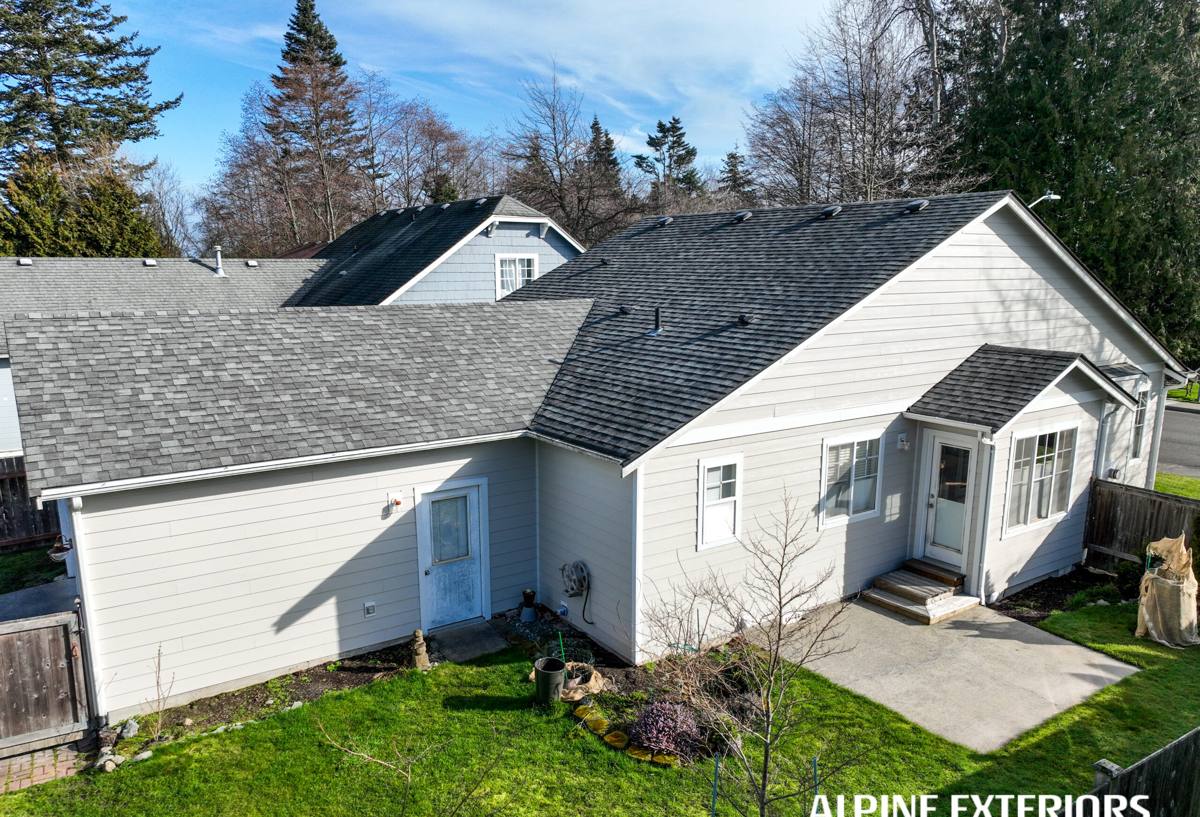
What Lynden's Climate Does to a House
Driving Rain and Wind-Driven Moisture
Whatcom County doesn't just get rain — it gets rain pushed sideways by wind off the water, especially during fall and winter storm cycles. That matters more than straight-down rain because wind-driven moisture finds its way behind poorly lapped siding, undersized flashing, and old caulk joints that have shrunk and cracked. Once water gets behind a wall system, it doesn't dry out quickly in a climate this humid — and that's when rot starts, quietly, in places you can't see from the ground.
A Long Moss and Algae Season
Lynden's tree cover, shaded lots, and extended damp season give moss and algae months of ideal growing conditions on north-facing walls, under eaves, and anywhere airflow is limited. Moss holds moisture directly against a surface, which accelerates paint failure, wood rot, and — on some products — the kind of swelling and delamination that shortens a siding system's life well before it should need replacing.
Salt-Laden Marine Air
Because Lynden is close to Puget Sound and Boundary Bay, homes here get a share of the moisture-laden, mildly corrosive marine air common to Whatcom County's coastal and near-coastal communities. Over years, that air accelerates the breakdown of caulk, fasteners, and finishes that aren't rated for it — which is part of why product choice and installation detail matter more here than in a dry inland climate.
Freeze-Thaw Swings
Winters in this part of Whatcom County aren't brutally cold, but they do cycle through freezing nights and wet days often enough to stress any material that absorbs water. Wood-based products that take on moisture and then freeze are especially prone to cracking, checking, and paint failure over a Lynden winter.
Why We Only Install James Hardie Fiber Cement Siding
We get asked regularly why we don't offer vinyl, LP SmartSide, or other lower-cost siding options that plenty of contractors in this area still install. The honest answer is that we looked at how those products perform over a decade or two in a climate like Whatcom County's, and we didn't like the trade-offs enough to keep standing behind them.
Vinyl Siding
Vinyl is inexpensive and easy to install fast, which is why it's common. But it's a thin plastic product that expands and contracts with temperature swings, can warp or crack in wind and cold, and simply isn't rated to resist fire. It also doesn't hold paint — once you're tired of the color, your only option is replacement. For a region with real wind events and a long wet season, we don't think it holds up the way homeowners expect over the long run.
LP SmartSide and Other Wood-Based Composites
LP SmartSide is an engineered wood product — better than old-style hardboard siding, but still wood at its core, treated with a resin binder to resist moisture. In a climate with Lynden's rainfall and humidity, any wood-based siding is fighting an uphill battle against swelling, edge deterioration, and the fungal growth that thrives in damp wall assemblies. It performs fine on paper. In real Whatcom County weather over 15-20 years, wood-based siding asks for a level of caulk and paint maintenance that most homeowners underestimate when they choose it.
Why Fiber Cement Wins Here
James Hardie fiber cement siding is made from cement, sand, and cellulose fibers — it doesn't burn, it doesn't rot, and it isn't a food source for the moss, algae, and fungus that thrive in this climate. It comes factory-finished with Hardie's ColorPlus coating, which is baked on under controlled conditions and holds color and adhesion far longer than field-applied paint on wood or composite siding. Hardie also engineers specific product lines — its HZ5 line, for example — for climates with real moisture exposure, which fits Whatcom County better than a one-size-fits-all product.
Product Comparison: What Actually Matters in This Climate
| Factor | Vinyl | LP SmartSide / Wood Composite | James Hardie Fiber Cement |
|---|---|---|---|
| Moisture resistance | Doesn't absorb water, but seams and gaps let water behind it | Resin-treated but still wood-based; vulnerable at cut edges and joints | Cement-based, engineered for wet climates (HZ5 line) |
| Fire resistance | Melts/burns; not rated non-combustible | Combustible, treated wood product | Non-combustible |
| Moss/algae resistance | Resistant to rot but moss still grows on the surface | Susceptible where moisture sits against the panel | Resistant; won't feed fungal growth like wood |
| Finish longevity | Color molded in but fades; can't repaint easily | Field paint or factory finish, needs recoating over time | Factory-baked ColorPlus finish, long color/adhesion warranty |
| Typical lifespan (well-installed) | 20-30 years | 20-30 years with diligent maintenance | 30-50+ years |
How We Approach a Siding, Roofing, Window, or Deck Project in Lynden
Because we work across Whatcom County, we see the same climate patterns repeat from job to job — but every lot in Lynden has its own exposure, tree cover, and drainage situation, so we start with an actual walk-around, not a generic estimate.
- Assess existing siding, trim, and flashing for hidden moisture damage before quoting a job
- Check roof-to-wall transitions and eave detailing, where wind-driven rain most often finds a way in
- Evaluate window flashing and integration, since window replacement and siding work often overlap
- Look at deck ledger connections and any wood-to-house contact points for rot risk
- Recommend fixes to the water management details underneath, not just a new surface layer
Siding is only as good as what's behind it. We spend real time on weather-resistive barriers, proper flashing sequencing, and correct fastening for Hardie panels — because a premium siding product installed with shortcuts will fail the same way a cheap one does.
Roofing, Windows, and Decks
Siding rarely gets replaced in isolation. Roof flashing, window trim, and deck ledgers all interact with the wall system, and Whatcom County's rain makes those transition points the most common failure spots on a house. We handle roofing, window replacement, and deck construction alongside siding so those details get coordinated by one crew instead of being split across separate contractors who may not communicate about how the pieces tie together.
What Drives Cost on a Lynden Exterior Project
| Factor | Why It Matters Here |
|---|---|
| Extent of hidden moisture damage | Older homes with wind-driven rain exposure often need sheathing or framing repair before new siding goes on |
| Home size and wall complexity | Gables, dormers, and multiple wall planes add labor and trim detail |
| Siding profile and accessories | Lap width, trim boards, and soffit choices affect material cost |
| Access and site conditions | Tree cover, fencing, and lot layout affect staging and scaffolding needs |
| Scope bundling | Combining siding with roofing, windows, or a deck can reduce overlapping setup and access costs |
We don't publish fixed price lists because every one of these factors changes the number — but we'll walk your property, explain what we find, and give you a straightforward written estimate with no pressure to sign on the spot.
Why a Local Crew Matters
A crew that works Whatcom County regularly knows what a Lynden winter does to a wall system, what a Blaine or Birch Bay lot's wind exposure looks like, and which details actually matter versus which are just upsells. That local pattern recognition is part of what you're paying for when you hire a contractor who's based here rather than one passing through on a regional route.
If your Lynden home has siding that's showing moss buildup, paint failure, soft spots, or you're planning ahead for a roof, window, or deck project, we'd be glad to take a look. Reach out for a free, no-pressure estimate — we'll tell you honestly what we see and what we'd recommend.