 Blaine
 Why Ferndale Roofs Need to Be Built for This Climate
Ferndale sits close enough to the water that salt-laden air is a constant, low-grade stressor on anything metal, painted, or porous on a roof. Add Whatcom County's long wet season, driving rain that comes in sideways off storms rolling through the Salish Sea lowlands, and the shaded, damp conditions that let moss colonize a roof almost year-round, and you have a climate that is genuinely harder on roofing than most of the country deals with. A roof that would hold up fine in a dry inland climate can start showing corrosion, granule loss, or moss-driven rot within a few years out here.
Metal roofing, installed correctly, handles this combination better than most alternatives. It sheds water fast instead of absorbing it, gives moss and moisture very little to grip onto, and with the right coating system it resists the salt exposure that eats away at lesser-protected metals. That said, "metal roofing" is not one product — the material, coating, and installation details matter enormously in a coastal Whatcom County environment, and getting any one of them wrong shows up as a problem within a few winters, not decades.
Steel, Aluminum, or Something Else: Picking the Right Metal
Most residential metal roofing in this region comes down to a choice between coated steel and aluminum, with copper or zinc reserved for accent work or homeowners who want a specific look and are prepared for the cost. Each behaves differently once salt air and constant moisture enter the picture.
| Material | How It Handles Salt Air & Moisture | Typical Fit for Ferndale Homes |
|---|---|---|
| Galvalume or galvanized steel | Good corrosion resistance from the zinc/aluminum coating, but cut edges and scratches need proper sealing or they can rust over time near salt exposure | Common, cost-effective choice; needs correct edge treatment and touch-up practices |
| Aluminum | Naturally resistant to salt-driven corrosion since it doesn't rust the way steel can | Strong option for properties closer to open water or with heavier salt exposure |
| Copper | Extremely long-lived and unaffected by salt corrosion; develops a natural patina over time | Best for homeowners wanting a premium, low-maintenance long-term roof and comfortable with the higher upfront cost |
| Zinc | Self-healing patina resists moisture and salt well | Less common locally but a solid option where budget allows |
We also pay close attention to panel profile. Standing seam (concealed fastener) panels are our default recommendation for most Ferndale homes because the fasteners are hidden under raised seams, out of direct rain and away from the constant wet-dry cycling that loosens exposed fasteners over the years. Exposed-fastener panels cost less upfront but require the gaskets and fasteners to be inspected and occasionally replaced — a maintenance commitment that's easy to underestimate in a climate this wet.
What a Correctly Installed Metal Roof Actually Involves
A metal roof is only as good as what's underneath it and how it's flashed. This is where most of the difference between a roof that lasts decades and one that fails early actually gets decided, and it's largely invisible once the job is done.
Underlayment and Moisture Barrier
Metal roofs need a high-temperature synthetic or self-adhered underlayment, not just felt paper. In a region with as much sustained rain as Whatcom County sees, the underlayment is the backup line of defense if wind-driven water ever works its way past a seam or fastener — and it needs to actually be capable of shedding that water, not just slowing it down.
Fastening and Panel Layout
Panels have to be run and fastened according to the manufacturer's spacing and clip requirements, accounting for thermal expansion — metal roofing expands and contracts more than composition shingles as temperatures swing, and panels fastened too rigidly can buckle or work fasteners loose over time.
Flashing at Every Transition
Valleys, chimneys, skylights, and roof-to-wall transitions are where most roof leaks actually originate, metal or otherwise. Flashing has to be custom-formed to the specific transition, layered correctly with the underlayment (so water is always directed over, not under, the next piece down), and sealed with products rated for metal-to-metal or metal-to-masonry contact.
Ventilation
A sealed, well-insulated attic without adequate intake and exhaust ventilation traps moisture, which condenses against the underside of a metal roof deck and can cause rot from the inside — a problem that has nothing to do with the roofing material itself and everything to do with the roof system as a whole. We check and correct ventilation as part of every metal roof installation.
Our Process, Start to Finish
We keep the process straightforward and try to eliminate surprises, since a roof replacement disrupts a household and we know homeowners want a clear picture of what's happening and when.
- On-site inspection. We walk the existing roof, check the decking condition, note problem areas like valleys, moss buildup, or past leak damage, and take real measurements rather than estimating from satellite imagery.
- Material and panel selection. We go over metal type, coating, and panel profile options based on your home's exposure, budget, and the look you want — explaining the real tradeoffs, not just upselling the most expensive option.
- Written estimate. A clear, itemized quote so you know what you're paying for before any work starts.
- Tear-off or overlay assessment. We determine whether the existing roof and decking can support a metal roof installed over it or whether a full tear-off is the right call for your specific structure.
- Deck repair. Any soft, rotted, or moisture-damaged decking gets replaced before a single panel goes on — installing metal over a compromised deck just hides a problem that will resurface.
- Underlayment, flashing, and panel installation. Installed in the sequence and to the spacing that keeps the whole system watertight, not just the panels themselves.
- Cleanup and walkthrough. We clear debris and fasteners from the property and walk the finished roof with you before calling the job done.
What Affects the Cost of a Metal Roof in Ferndale
There's no single price that applies to every home, but the factors that move the number are consistent. Understanding them helps you compare quotes honestly instead of just comparing bottom-line numbers.
| Factor | Why It Matters |
|---|---|
| Panel type | Standing seam costs more than exposed-fastener panels but requires less long-term maintenance |
| Metal and coating grade | Higher-grade coatings and premium metals like aluminum or copper cost more upfront but resist salt-driven wear longer |
| Roof complexity | Steep pitches, multiple valleys, dormers, and chimneys all add labor and custom flashing work |
| Tear-off vs. overlay | A full tear-off costs more but is often necessary if the decking has moisture damage |
| Ventilation and decking repairs | Any rot or inadequate airflow found during inspection needs to be corrected before or during installation |
| Accessibility | Tree cover, tight lot access, or a heavily pitched roof can affect labor time and equipment needs |
Generally, homeowners should expect metal roofing to cost more upfront than composition shingles, offset over time by a much longer service life and lower maintenance costs — especially in a climate this hard on lower-grade roofing materials.
Keeping Moss and Salt Damage at Bay
A metal roof drastically reduces moss and corrosion problems compared to shingles, but it isn't maintenance-free, particularly this close to the water. A short annual routine goes a long way.
- Clear overhanging branches and debris so shaded, damp areas don't give moss a foothold at seams and flashing edges
- Rinse accumulated grime, salt residue, and organic debris off the roof surface periodically, especially after storm season
- Keep gutters and downspouts clear so water isn't backing up against the roof edge or fascia
- Have fasteners on exposed-fastener panels checked periodically, since gaskets can compress and loosen over years of wet-dry cycling
- Inspect flashing around chimneys, skylights, and valleys after major windstorms, which are common in this region
- Touch up any scratched or exposed cut edges promptly to prevent isolated corrosion from starting
Signs Your Current Roof Is Ready for an Upgrade
Homeowners often wait longer than they should before addressing roofing issues, partly because problems on a roof aren't always visible from the ground. Watch for these signs, especially if your home has been through several wet seasons without a close inspection:
- Visible moss growth on shingles, especially in shaded sections of the roof
- Granule buildup in gutters, a sign composition shingles are wearing down
- Curling, cracked, or missing shingles after storm seasons
- Water stains on interior ceilings or in the attic
- Rust streaking or corrosion on any existing metal flashing or fixtures
- A roof that's approaching or past the manufacturer's expected lifespan for its material
Any of these are worth a professional look before they turn into a decking or interior repair, which costs considerably more than addressing the roof itself.
Why a Crew That Already Works Ferndale Matters
Roofing crews who work regularly in Whatcom County's coastal communities know how differently this climate treats a roof compared to drier parts of Washington or the country. That translates into practical decisions on the job: which coating grades hold up against the salt exposure typical of homes near the water, how to sequence work around the region's rain patterns instead of getting caught mid-installation by a storm, and where moss and moisture problems tend to originate on local roof designs. A crew unfamiliar with this environment can install a technically correct roof on paper that still underperforms here because it wasn't built with these specific conditions in mind.
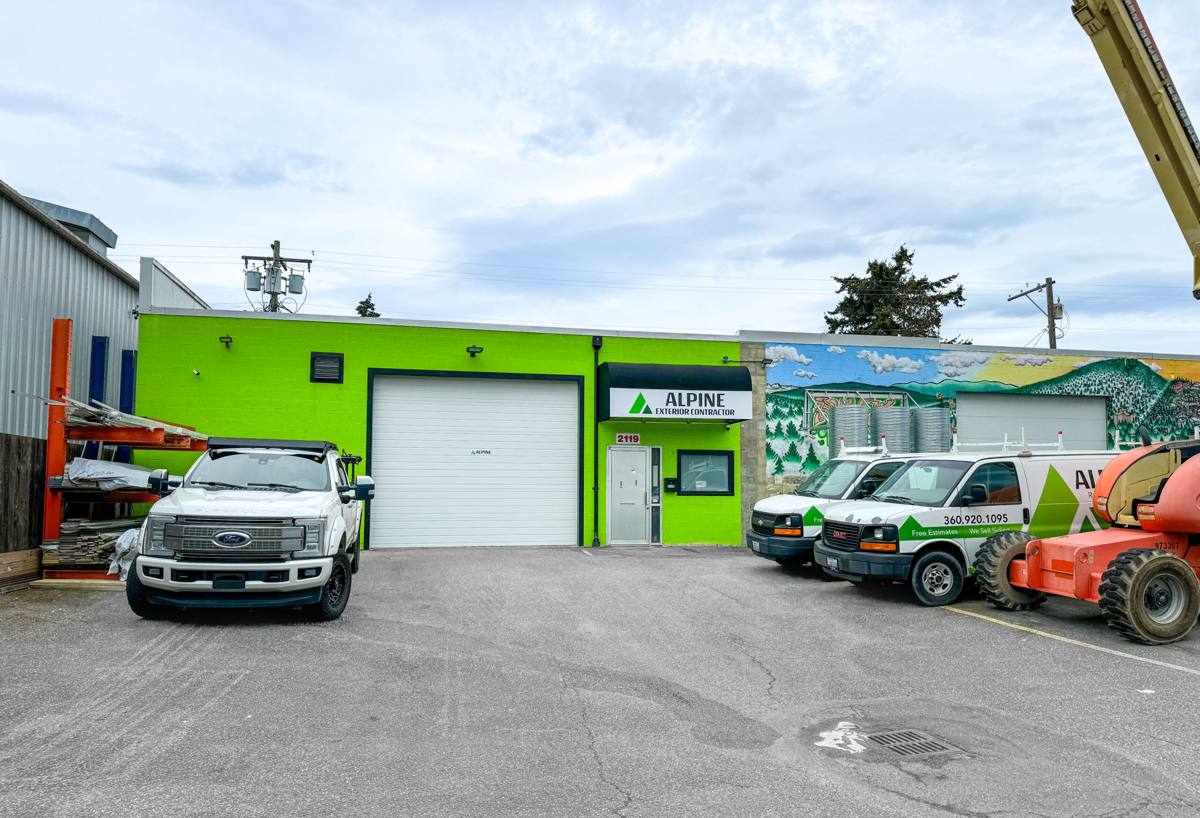
We're based in Blaine and work throughout Whatcom County, including Ferndale, so the recommendations we make come from what we've actually seen hold up — and what hasn't — on roofs facing this exact combination of salt air, rain, and moss pressure.
Ready to Talk About Your Roof?
If your Ferndale home's roof is showing its age, dealing with recurring moss, or you're simply ready for a roofing system built to handle this coastline's climate for the long haul, we're happy to take a look. Reach out for a free, no-pressure estimate — we'll assess your roof honestly and walk you through the options that make sense for your home and budget, using the form below.