 Blaine
 Windows in Lynden Face a Different Kind of Wear Than Most of the Country
Lynden sits inland from Blaine and Birch Bay, so it doesn't take the direct salt spray that homes right on the water do. But it's still Whatcom County, and that means long stretches of damp weather, driving rain that comes in sideways off winter storms, and a moss season that can run eight months out of the year on north-facing walls. Windows here don't fail because of one dramatic event. They fail slowly, from seals that never fully dry out, frames that sit in shade longer than the manufacturer's spec sheet assumed, and sills that catch runoff from a roofline never designed for this much rain.
A custom window job in Lynden isn't just about picking a style out of a catalog. It's about matching the window, the flashing, and the installation detail to how water actually moves around this specific house, in this specific climate. That's a different job than replacing windows in Spokane or Sacramento, and it should be treated that way.
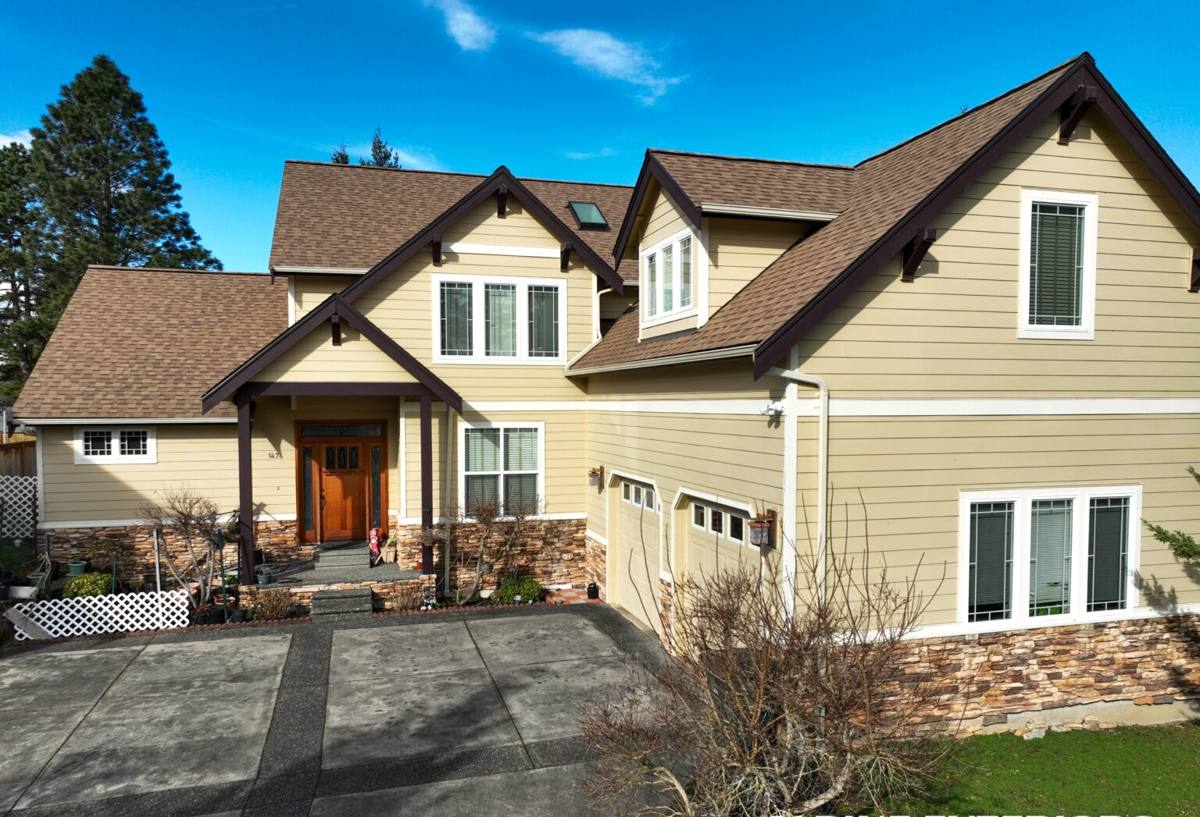
What Driving Rain and Moss Season Actually Do to a Window
Driving Rain
Wind-driven rain doesn't just fall on a window, it pushes against it. Older aluminum and low-grade vinyl windows were often installed with minimal flashing because builders were used to drier climates or cut corners on a detail nobody sees until it fails. Over years, that wind-driven rain finds its way behind trim, into stud bays, and under sills. You usually don't see it until there's staining on interior drywall or the sill has gone soft.
Moss and Sustained Moisture
Moss doesn't grow on glass, but it grows on wood trim, in gutters that drain past window heads, and in shaded corners where a window never gets a chance to dry between rains. That constant moisture is what breaks down caulking, swells wood-frame windows, and corrodes hardware faster than the manufacturer's warranty was written for. A window that would last 25 years in a drier part of the state can show real problems in half that time here if it wasn't installed with this climate in mind.
Choosing the Right Window Material for a Lynden Home
There's no single "best" window material — the right choice depends on your home's exposure, your budget, and how much upkeep you want to do. Here's how the common options actually hold up in this climate, based on what we see coming out of older Whatcom County homes.
| Material | How It Handles This Climate | Maintenance | Typical Trade-Off |
|---|---|---|---|
| Vinyl | Handles moisture well, won't rot; quality varies a lot by brand and welded-corner construction | Low — occasional cleaning | Cheaper vinyl can warp or discolor under UV/temperature swings over time |
| Fiberglass | Very stable in wet, temperature-swinging climates; strong resistance to warping | Low | Higher upfront cost than vinyl |
| Wood-clad | Good look, but the clad exterior only protects the wood core if the seal stays perfect — a hard ask in constant rain | Higher — needs monitoring at seams and sills | Best appearance, but least forgiving of installation mistakes here |
| Aluminum (older stock) | Poor thermal performance and prone to condensation in this humidity; largely why we're replacing so many of these | Moderate | We don't recommend it for new installs in this climate |
For most Lynden homes, we steer clients toward vinyl or fiberglass for the bulk of the house, and reserve wood-clad for feature windows where the look matters more and the exposure is lower — like a covered porch or a wall with real roof overhang protection.
What a Correct Custom Window Installation Actually Involves
The window itself is maybe half the job. The other half is the detailing around it, and that's where most of the long-term water problems either get solved or get built in. A correct install in this climate includes:
- Removing old flashing and inspecting the sheathing and framing underneath for hidden rot before anything new goes in
- Installing a proper flashing sequence — sill pan, side flashing, and head flashing that shed water down and out, not into the wall
- Using sealants and tapes rated for sustained moisture exposure, not general-purpose caulk that hardens and cracks within a couple seasons
- Setting the window level and square, with shims that won't compress or rot over time
- Insulating the gap between the window and framing without overpacking it, which can bow the frame
- Matching interior and exterior trim so the finished look is consistent with the rest of the home
- A final water test on exposed elevations where wind-driven rain is heaviest
Skip any one of these steps and you can end up with a window that looks fine for a year or two before problems show up behind the wall — which is a much more expensive fix than doing it right the first time.
How We Approach a Custom Window Project in Lynden
1. On-Site Assessment
We start by looking at the actual exposure of each window opening — which walls take the brunt of the weather, where moss and staining are already showing, and what condition the framing is in. This isn't a one-size answer for the whole house; a south wall and a shaded north wall can need different details.
2. Material and Style Selection
We walk through material options honestly, including the trade-offs above, and help you land on what fits your budget and how much upkeep you're willing to do. We're not going to push a product because it's what we have sitting in the shop.
3. Installation
Our crew handles removal, flashing, sealing, and finish work as one continuous job rather than handing pieces off between subs. That matters here — a flashing detail done by someone unfamiliar with this climate is one of the most common causes of the leaks we get called back to fix on other people's work.
4. Walkthrough and Water Check
Before we call the job done, we walk the finished windows with you and check for anything that needs adjustment — operation, seals, and trim fit.
What Custom Windows Typically Cost, and What Moves the Number
Every home is different, but these are the factors that most often change the price of a window project in Lynden:
| Factor | Why It Affects Cost |
|---|---|
| Number and size of openings | More or larger windows means more material and labor |
| Hidden framing damage | Rot found once old windows come out adds repair work before new ones can go in |
| Material choice | Vinyl, fiberglass, and wood-clad carry different price points, as shown above |
| Window style | Custom shapes, large fixed panes, and specialty grid patterns cost more than standard double-hung or sliders |
| Access and story height | Second-story or hard-to-reach openings take more time and equipment |
We don't quote a job over the phone with a flat per-window number, because the honest price depends on what we find once we're actually looking at your openings. A free on-site estimate gives you real numbers instead of a guess.
Common Window Problems We See Coming Out of Lynden Homes
- Soft or spongy sills from years of trapped moisture behind old caulking
- Fogged double-pane glass, meaning the seal has failed and the insulating gas has escaped
- Wood-frame windows swollen shut on shaded, north-facing walls
- Moss and black staining on trim that's been shaded and damp long enough to hold moisture against the wood
- Aluminum-frame windows with heavy interior condensation in colder months
If any of that sounds familiar, it doesn't automatically mean full replacement is needed — sometimes it's a repair or re-flash. We'll tell you honestly which one applies.
Why It Matters That We Already Work in This Area
A crew that only occasionally works in Whatcom County can install a window correctly by the book and still miss the local realities — like how much shade a particular wall orientation gets through a Lynden winter, or how heavy moss buildup gets on north-facing trim if it isn't detailed to shed water. We're a Blaine-based crew that works this county regularly, so we're not guessing at how this climate treats a window over ten or twenty years — we're seeing it on other jobs every season.
That local familiarity also means straightforward follow-up. If something needs a look after the job is done, we're not driving in from out of the area to handle it.
If you're seeing moisture, moss buildup, or drafts around your windows, or you're just ready to plan a custom window project for your Lynden home, we're happy to come take a look. The estimate is free, there's no pressure to move forward, and you'll get straight answers about what your home actually needs.