 Blaine
 Deck Building in Lynden: Built for the Water, Not Just the View
Lynden sits inland from Blaine but shares the same weather pattern that defines this corner of Whatcom County: long stretches of steady rain, heavy fall and winter moisture, and short dry windows in summer that don't give lumber much time to fully dry out between storms. A deck built here has different demands than a deck built in a dry inland climate. It's not just about looks — it's about what happens underneath the boards, at the ledger board connection, and in the footings, year after year, when the wood almost never gets a real chance to dry completely.
We build and repair decks specifically with this climate in mind. That means paying close attention to drainage, fastener choice, and the details that keep moisture from sitting where it shouldn't — the parts of a deck job that don't show up in a quick look from the yard but decide whether the structure is solid in ten years or soft and spongy in five.
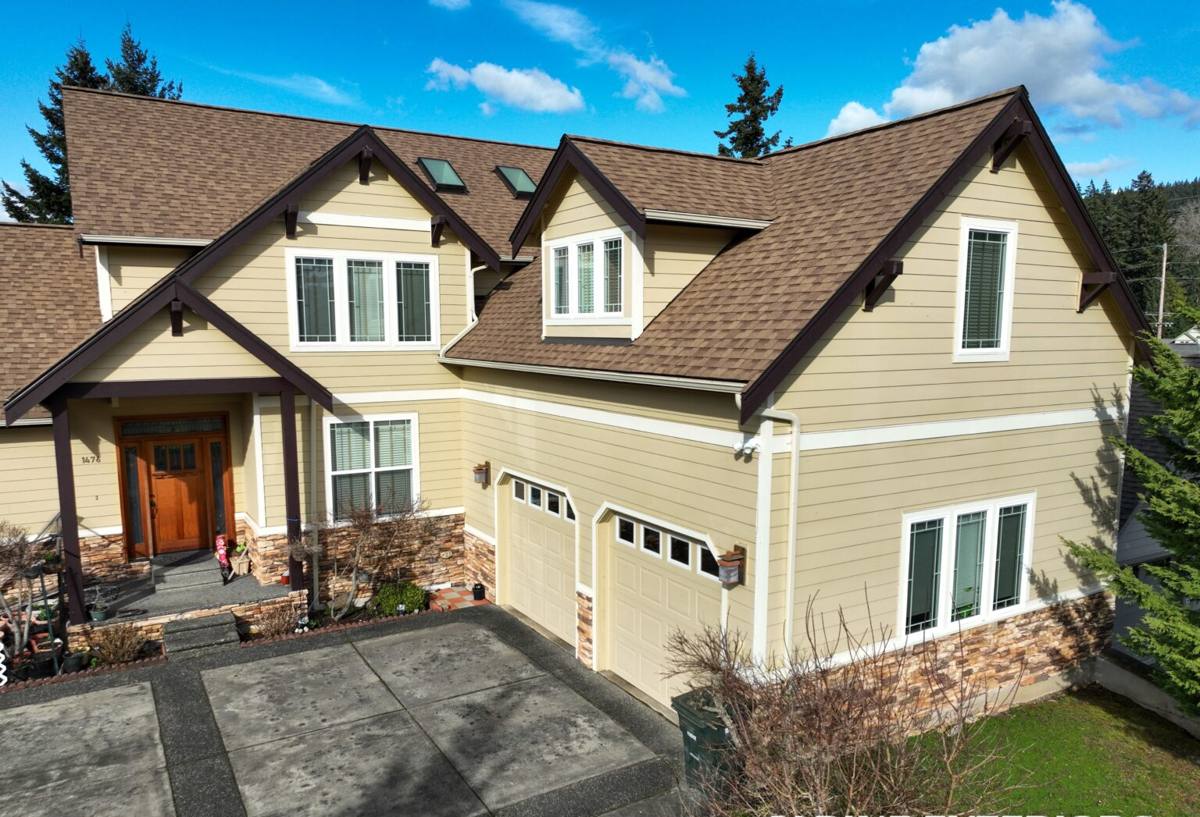
Why the Local Climate Changes How a Deck Should Be Built
Constant Moisture Exposure
Whatcom County's marine climate means decks in Lynden are rarely bone dry. Wood framing, decking boards, and hardware are exposed to near-constant humidity for much of the year, with heavier saturation during the rainy months. Any gap in flashing, any spot where water can pool instead of shed, becomes a slow rot problem rather than a one-time issue.
Moss and Organic Growth
A long moss season is part of life here, and it doesn't stop at the roof. Moss, algae, and organic buildup collect on horizontal deck surfaces, between deck boards, and on stair treads if there isn't enough airflow and drainage underneath. Beyond looking unattractive, built-up moss holds moisture against the wood surface and makes stairs and walking surfaces slick and genuinely unsafe underfoot.
Salt Air Influence
Being close enough to Puget Sound and the Strait of Georgia, this area gets some degree of salt-laden air carried inland, which accelerates corrosion on lower-grade fasteners and hardware. Deck hardware that's rated for general outdoor use in a drier climate can corrode faster here than the manufacturer's literature might suggest.
What a Correctly Built Deck Needs in This Climate
A deck that's going to hold up in Lynden's conditions needs a handful of things done right from the start — not upgrades, just the baseline for this environment:
- Ledger board flashing that actually sheds water away from the house rim joist, not just a bead of caulk behind the board
- Stainless steel or hot-dip galvanized fasteners and structural hardware rated for coastal/high-moisture exposure
- Joist tape or a comparable moisture barrier on top of all framing members, not just the ledger
- Proper slope and gapping in the decking surface so water sheds off rather than pooling
- Footings set below frost depth and sized correctly for the soil conditions common in this area
- Adequate under-deck ventilation so the structure has a chance to dry between rain events
Skip any one of these and the deck may look fine on installation day and still fail early — usually starting at the ledger connection or the framing closest to the ground, where moisture lingers longest.
Material Choices: What We Recommend and Why
Pressure-Treated Framing
For the structural frame — posts, beams, joists — pressure-treated lumber rated for ground contact where applicable is the standard we build to. It's a proven, cost-effective choice for framing that will spend its life under a deck surface exposed to consistent moisture.
Decking Surface Options
For the walking surface, homeowners in Lynden typically choose between a few paths, each with real trade-offs worth understanding before deciding:
| Material | Upfront Cost | Maintenance | Moisture Performance |
|---|---|---|---|
| Pressure-treated wood | Lowest | Annual cleaning/staining recommended | Good if sealed and maintained; can cup or check if neglected |
| Cedar | Moderate | Regular sealing to maintain color and resist decay | Naturally rot-resistant but still needs upkeep in this climate |
| Composite decking | Higher | Low — occasional washing | Excellent; doesn't absorb water like wood, resists moss staining better |
We don't push one material on every homeowner. A wood deck that's properly maintained can look great for decades; composite costs more up front but trades ongoing maintenance for consistency, especially valuable given how much moss and algae exposure this area gets. We'll walk through the honest trade-offs for your budget and how much upkeep you actually want to do.
Our Deck Building Process in Lynden
1. On-Site Assessment
We start by looking at your site's specific exposure — how much sun and shade it gets, where water naturally drains on the property, and how the deck will tie into the house. This matters more here than in drier regions because a poor drainage path is the single most common cause of early deck failure we see.
2. Design and Permitting
Whatcom County has building code requirements for deck size, height, guardrails, and footing depth. We handle the permitting process and make sure the design meets code from the start, so there are no surprises at inspection.
3. Framing and Flashing
This is where the climate-specific detailing happens — ledger flashing, joist protection, and hardware selection all get handled at this stage, before a single deck board goes down. It's the least visible part of the job and the most important for longevity.
4. Decking Installation
Boards are installed with proper spacing for drainage and expansion, whether that's wood or composite. Fastening method depends on the material — hidden fastener systems for composite, traditional face-fastening or hidden clips for wood, depending on what you choose.
5. Railings, Stairs, and Final Details
Guardrails, stair stringers, and any built-in features get finished to match your home's exterior. We check stair tread spacing and railing height against current code requirements before calling the job complete.
6. Final Walkthrough
We walk the finished deck with you, cover basic maintenance expectations for the material you chose, and answer questions about care through the wet season.
Repair, Rebuild, or Replace? What We Actually Look At
Not every deck problem means a full rebuild. When we're called out to look at an existing deck in Lynden, we're checking a specific set of things to figure out what's actually needed:
- Soft or spongy spots in the decking surface (usually rot, not just wear)
- Rust staining or corrosion around fasteners and hardware connections
- Separation or gapping at the ledger board where it meets the house
- Wobble or movement in posts and railings under normal use
- Heavy moss or algae buildup that's more than a surface cleaning issue
- Age and condition of the footings versus the visible structure above
Sometimes a deck needs new decking boards but the framing underneath is sound. Other times the surface looks fine but the framing or ledger connection has failed underneath it — which is a safety issue, not a cosmetic one. We tell you honestly which situation you're in rather than defaulting to the most expensive option.
Maintenance That Actually Matters Here
Given the moss season and near-constant moisture, a few maintenance habits go a long way toward protecting the investment in a new or existing deck:
- Clear leaves and debris from between boards regularly, especially in fall
- Address moss buildup before it gets heavy — a light cleaning is easier than a deep one
- Reseal or restain wood decking on the schedule appropriate to the product (typically every 1-2 years)
- Check fastener heads periodically for signs of corrosion or popping
- Keep gutters and downspouts clear so runoff isn't dumping extra water near the deck footings
Why Hire a Crew That Already Works in Lynden
Deck building isn't the same job in every region. A crew that mostly works in drier climates may not think twice about flashing details or hardware grade that matter a great deal here. We work throughout Whatcom County and know the drainage patterns, soil conditions, and permitting requirements specific to this area — including what inspectors here are actually looking for at footing and framing inspections.
That local familiarity means fewer surprises during the build and a deck that's designed from the ground up for the salt air, driving rain, and moss season that define this climate, rather than a generic build that happens to be located here.
If you're planning a new deck or need an honest assessment of an existing one, we're happy to come take a look. Reach out for a free, no-pressure estimate — we'll walk the site with you and give you a straight answer on what your deck actually needs.