 Blaine
 Siding Near Dakota Creek Works Harder Than Siding Inland
Homes in the Dakota Creek area sit close enough to the water that the siding on them is doing a different job than siding twenty miles inland. The air carries salt off the bay. Storms roll in wet and sideways. Tree cover along the creek corridor keeps shade on north and east walls long after the sun should have dried them out. None of that is unusual for this part of Whatcom County — it's just a harder environment for exterior materials than most manufacturers design around, and it shows up first in the siding.
That's the backdrop for every repair call we take in this neighborhood. We're not guessing at what's failing and why — we've seen the same failure patterns repeat on home after home along this stretch of Blaine, and we know which ones are cosmetic and which ones are a warning sign.
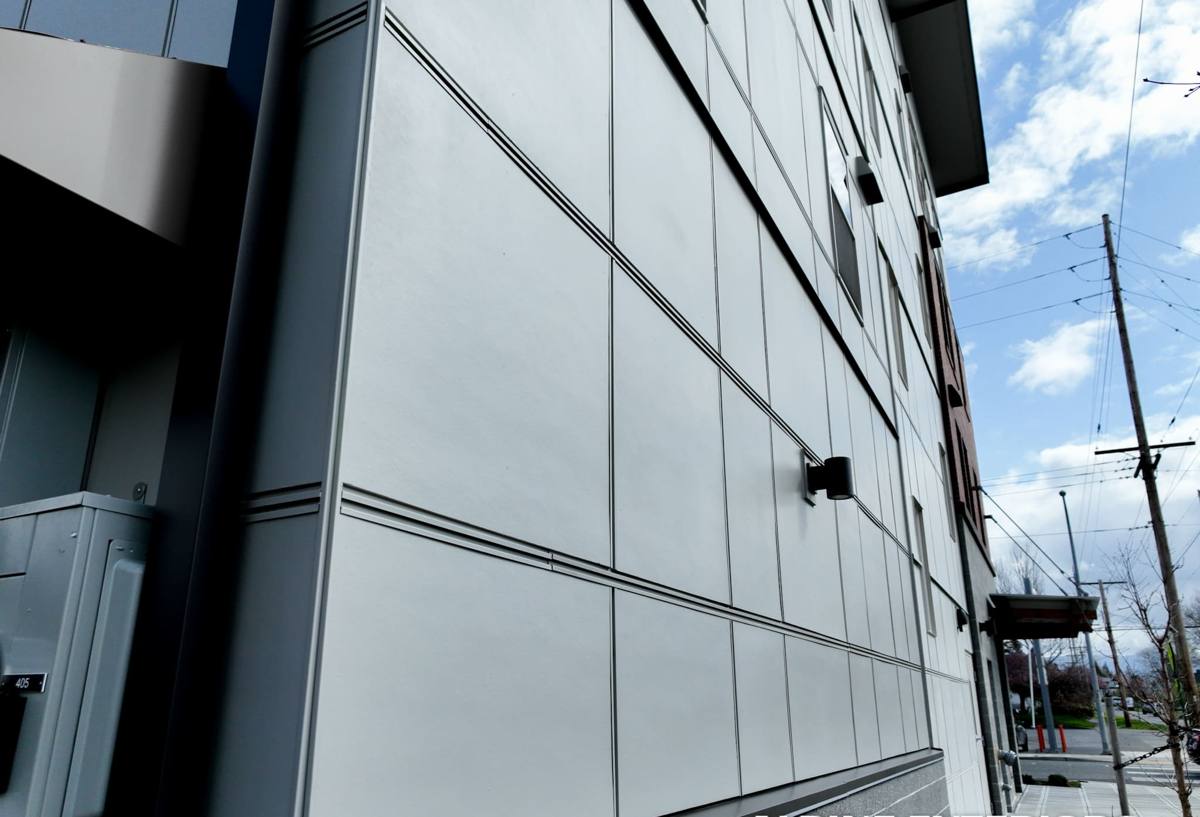
What Salt Air, Driving Rain, and Moss Actually Do to Siding
Salt Air and Fastener Corrosion
Airborne salt accelerates corrosion on anything metal — nail heads, flashing, trim fasteners. Once a fastener starts to rust, it loses its grip, and a siding panel or board that was holding tight starts to work loose. Loose siding is an open door for water. This is one of the most common repair triggers we find on homes near the water: not rot in the board itself, but corrosion at the fastener that let water get behind it.
Wind-Driven Rain and Failure Points
Rain that falls straight down is easy for siding to shed. Rain that comes in sideways during a coastal storm finds every seam, every unsealed joint, every spot where trim meets siding without proper flashing. Over years, wind-driven rain doesn't just wet the surface — it pushes moisture into laps and joints that were only ever designed to handle gravity-fed water. That's where hidden damage starts.
Moss and Trapped Moisture
The moss season here runs long — often eight or nine months out of the year on shaded walls. Moss itself doesn't destroy siding, but it holds moisture against the surface far longer than an open, sunlit wall ever would. That extended damp period is what breaks down paint film, softens caulk, and — on materials that aren't built for it — starts the slow process of swelling and delamination.
Signs Your Dakota Creek Home Needs Real Repair, Not Just a Wash
A lot of siding problems near the water look minor from the driveway and turn out to be more involved once you get close. Some warning signs to walk your home's exterior and check for:
- Soft or spongy spots when you press on the siding, especially near the bottom courses or under windows
- Panels or boards that have visibly bowed, cupped, or pulled away from the wall
- Paint that's bubbling, peeling, or flaking in a localized area rather than evenly across the wall
- Dark streaking or persistent moss growth that comes back within weeks of being cleaned
- Visible gaps at seams, corners, or where trim meets siding
- Rust streaks running down from nail heads or metal flashing
- Any spot where the wall feels or smells damp on the interior side, which usually means the exterior problem has been going on for a while
Any one of these on its own might be a simple, contained repair. Several of them clustered in one area — especially near a roofline, deck ledger, or window — usually means water has been getting behind the siding for longer than it looks.
Repair or Replace? How We Make the Call
Not every problem we find needs a full re-side, and we're not going to tell you it does. Here's roughly how we sort it out on a typical inspection:
| What we find | What it usually means | Typical approach |
|---|---|---|
| A few loose or corroded fasteners, isolated soft spots | Localized water intrusion, caught early | Targeted repair — replace affected boards or panels, correct the fastening |
| Damage clustered around one flashing detail (window, deck, roofline) | A single failed detail letting water in repeatedly | Repair the siding and fix the underlying flashing so it doesn't recur |
| Soft or delaminating material spread across multiple walls | Widespread moisture exposure over years, often tied to the original material choice | Broader repair or phased replacement, wall by wall |
| Sound siding with heavy moss or fading but no soft spots | Cosmetic and maintenance issue, not structural | Cleaning, spot repainting, or simply monitoring |
We'll tell you honestly which category your home falls into. If a repair will hold, we recommend a repair — replacing sound siding for no reason isn't good business and it isn't good for you.
What a Correct Siding Repair Actually Involves
Matching Material and Finish
A repair that doesn't match the surrounding siding — in profile, texture, and color — sticks out for years and often becomes the next weak point because it wasn't installed with the same attention as the rest of the wall. We match board profile and, where the original finish allows it, we work to get color and reveal as close as possible so the repair reads as part of the wall, not a patch on it.
Checking What's Behind the Siding
Visible damage is usually a symptom. Before we close anything back up, we check the water-resistive barrier, sheathing, and framing behind the affected area. If the siding failed because something behind it failed first — a gap in the house wrap, missing flashing, a rotted piece of sheathing — repairing the siding without addressing that just buys you a repeat visit in a few years.
Flashing and Water Management First
Most of the repair calls we get near the water trace back to a flashing detail, not the siding material itself: a window head flashing that was never installed, a kick-out flashing missing where a roofline meets a wall, a deck ledger tied in without proper waterproofing. We fix the water management before we button up the siding — otherwise the repair is cosmetic, not structural.
Why We Repair and Install Only James Hardie Fiber Cement
We don't install LP SmartSide, vinyl, Cemplank, Allura, primed spruce, or cedar, and that standard applies to repairs too. It's worth explaining why, especially in an environment like the Dakota Creek area.
Fiber cement doesn't absorb and swell with moisture the way wood-based products can, which matters directly in a long, damp moss season. It's non-combustible. And James Hardie's ColorPlus factory finish is baked on under controlled conditions, which is a meaningfully better match than field-applied paint when we're trying to blend a repair into existing siding years after the original install. Hardie's HZ5 product line is engineered specifically for climates like this one — freeze-thaw cycling, sustained moisture, coastal exposure — rather than a generic national spec.
That's not a knock on every other product across the board. Vinyl has its place on some budgets and some homes; cedar has real appeal for people who want that specific look and are willing to commit to its upkeep. But for repair and replacement work we stand behind near the water, we've standardized on one material system because it's the one we trust to still be doing its job in twenty years, and because a Hardie repair today will match a Hardie repair five years from now — the color line, the profile, and the backing all stay consistent because it's one manufacturer's engineered system, not a mix of materials aging at different rates.
Our Repair Process for Dakota Creek Homes
- Inspection. We walk the full exterior, not just the area you called about — problems near the water rarely stay isolated, and we want to catch a second issue before it becomes its own service call.
- Moisture and structural check. Where we see soft spots or staining, we open it up enough to see what's happening behind the siding before we quote anything.
- Honest scope and estimate. You get a clear explanation of what's damaged, what's causing it, and what we recommend — repair, targeted replacement, or a broader conversation if the damage is more widespread than expected.
- Correct the water path first. Any failed flashing or barrier gap gets fixed before new siding goes back on.
- Repair and match. New Hardie material installed to spec, matched to the existing wall as closely as the product line allows.
- Cleanup and walkthrough. We show you what we did and what to keep an eye on going forward.
Why Local Experience on This Stretch of Blaine Matters
A crew that mostly works inland doesn't have a feel for how fast moss comes back on a shaded wall near the creek, or how far wind-driven rain travels up a wall during a real coastal blow. We work this area regularly, which means we're not learning the exposure patterns on your dime — we already know which walls take the worst of it, which details tend to fail first on homes built to older code, and what a repair here actually needs to hold up through the next wet season, not just look good on installation day.
Keeping Repaired Siding Ahead of the Next Wet Season
A good repair buys you time, but siding near the water still needs regular attention. A short list worth keeping to:
- Rinse moss and algae off shaded walls before it builds up a thick mat, rather than waiting until it's visibly heavy
- Keep gutters clear so overflow isn't running down the wall face
- Trim back vegetation that's shading siding or holding moisture against it
- Walk the exterior once or twice a year and check the same spots that failed before — repairs can hold for decades, but it's worth confirming
- Address peeling paint or caulk gaps early, before water has a chance to get behind the siding again
If you're seeing soft spots, recurring moss, loose panels, or you just want a second set of eyes on siding that's starting to look tired, we're glad to come take a look. The estimate is free, there's no pressure attached to it, and you'll get a straight answer about whether you need a repair, a bigger conversation, or nothing at all right now.