 Blaine
 Why Semiahmoo Windows Wear Out Faster Than Most
Homes along Semiahmoo Bay and Drayton Harbor take a harder beating than houses just a few miles inland. The water throws salt-laden air onto siding and glass almost year-round, wind-driven rain gets pushed sideways into window seams during winter storms, and the long Whatcom County wet season keeps everything damp for months at a stretch. Add a shady, moss-friendly microclimate in the trees around the spit and you've got conditions that go after window frames, sealants, and hardware faster than a typical inland Blaine lot.
Salt air is the part homeowners underestimate most. It doesn't just sit on the surface — it works into hardware, corrodes metal components, and slowly breaks down finishes on materials that weren't built to handle a marine environment. Combine that with sustained wind pressure off the water and you get windows that fail years before their rated lifespan, usually starting at the corners and the bottom sash where water collects.
What "Custom" Actually Means for This Job
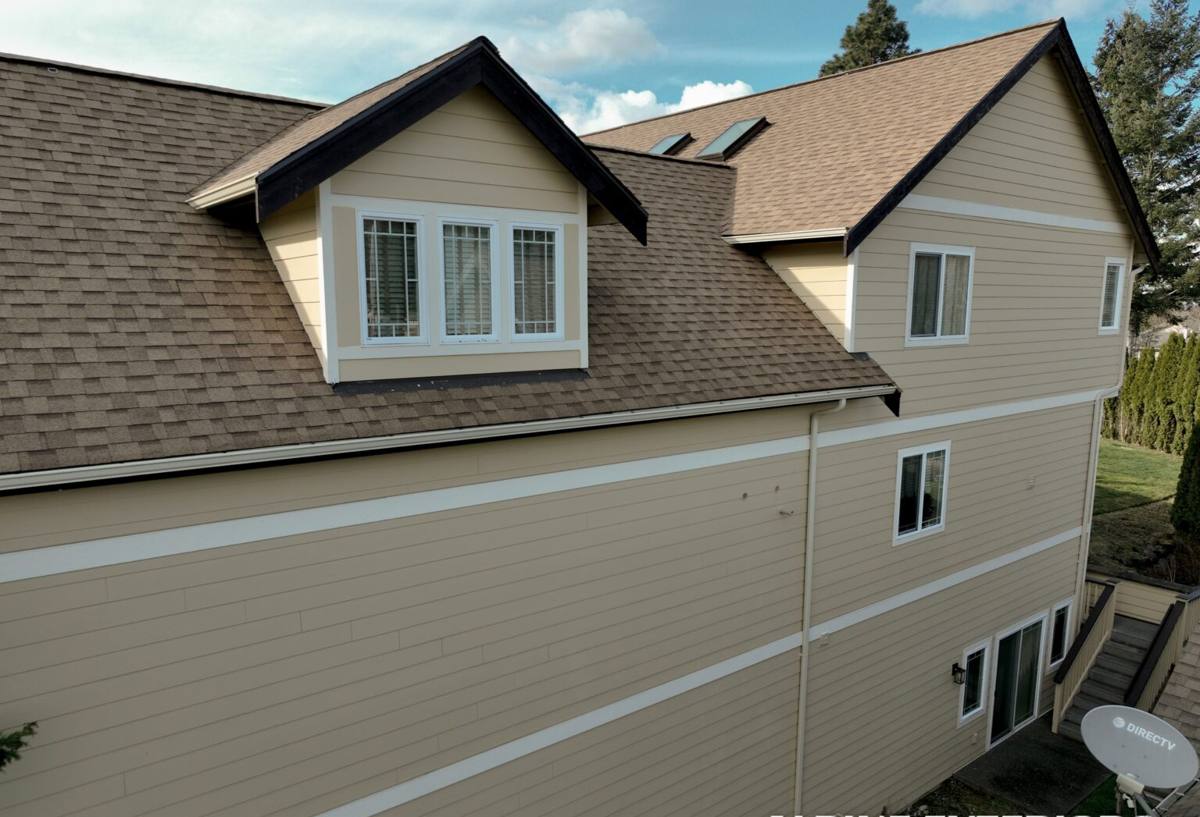
Custom windows aren't about fancy shapes — most Semiahmoo homes just need windows built to fit openings precisely, not squeezed from a stock size chart. Older homes near the water, especially anything built before more recent energy codes, often have odd rough-opening dimensions, settled framing, or non-standard depths that off-the-shelf units don't fit cleanly.
A correct custom job means:
- Every opening measured individually — no assuming two "matching" windows on the same wall are actually identical
- Frame material and glass package chosen for that specific elevation's sun and wind exposure
- Insert (pocket) replacement where the existing frame is sound, or full-frame replacement where the sill, jambs, or sheathing show rot or water damage
- Matching sightlines and grid patterns so new windows don't look like a patch job next to the ones you're keeping
Full-frame replacement costs more and takes longer, but if there's already water damage at the sill or the old flashing was never installed correctly, an insert replacement just seals the existing problem behind a new window. We tell homeowners honestly when we see that, even if it means a bigger job than they were expecting.
Material and Glass Choices for a Marine Climate
Not every window product on the market is a good match for waterfront exposure. Some materials handle salt air and constant moisture cycling better than others, and the difference shows up in five to ten years, not on install day.
| Frame Material | How It Handles Salt Air & Moisture | Trade-Offs |
|---|---|---|
| Vinyl | Good corrosion resistance since there's no bare metal hardware exposed to weather; welded corners help keep water out | Lower cost, but quality varies a lot between manufacturers — cheap vinyl can warp or discolor faster near the water |
| Fiberglass | Excellent — dimensionally stable, doesn't corrode, holds paint and finish well in wet, salty conditions | Higher upfront cost than vinyl |
| Wood-clad | Good if the cladding and flashing details are done right, but any breach in the cladding lets moisture reach the wood core | More maintenance-sensitive; we're careful about where we recommend it on direct waterfront exposures |
| Aluminum | Conducts cold and can corrode or pit over time in salt air unless it's a marine-grade finish | We generally steer away from standard aluminum on exposed Semiahmoo elevations for this reason |
For glass, we look at the specific wall the window sits on. South and west-facing units on the water side deal with more direct wind-driven rain, so weatherstripping quality and multi-point locking hardware matter as much as the glass package itself. Double-pane with a low-E coating is standard for our climate; we don't push triple-pane on every job — it adds cost and weight without a meaningful benefit unless a homeowner has a specific noise or comfort concern on a particularly exposed wall.
Installation Details That Matter More Here Than Inland
The window product only does half the job — installation quality is what actually keeps water out in a place like Semiahmoo. A window that's fine on a sheltered inland lot can leak within a season on a waterfront wall if these details get rushed:
Flashing and Water Management
Every opening gets flashed so water is directed out and down, never trapped behind the siding. On exposed elevations we pay extra attention to head flashing and end dams — this is the single most common failure point we find when we're called out to fix someone else's leaking window.
Sealant Selection and Placement
Not all exterior sealants hold up to constant salt spray and UV. We use products rated for marine and coastal exposure where the window meets the siding, and we don't rely on sealant alone to do a flashing detail's job — that's a shortcut that fails first.
Weep Holes and Drainage Paths
Sills need a clear path for any water that does get past the outer seal to drain back out. On existing openings we check that weep paths aren't blocked by old caulk, debris, or a previous installer's mistake before the new window goes in.
Our Process for a Semiahmoo Custom Window Job
- On-site assessment — we look at each opening, check for existing rot or flashing problems, and note sun/wind exposure per elevation
- Individual measurements — every window is measured on its own; nothing is assumed from a floor plan
- Material and glass recommendation — based on that wall's actual exposure, not a one-size answer for the whole house
- Install — proper flashing, coastal-rated sealant, correct fastening and shimming so the sash operates smoothly for years, not just on day one
- Walkthrough and cleanup — we test operation and locking hardware with you before we consider the job done
Signs Your Current Windows Are Losing the Fight
If you're on or near the water in Semiahmoo, watch for these warning signs — they show up earlier here than on a typical inland Blaine home:
- Hardware — locks, cranks, hinges — feels stiff, corroded, or doesn't latch fully
- Visible condensation or fogging between panes (a sign the seal has failed)
- Soft or discolored wood, siding, or trim at the sill or corners
- Drafts you can feel with a hand near the frame on a windy day
- Moss or persistent green growth building up on the sill or bottom rail
- Paint or finish peeling faster on window trim than on the rest of the house
Any one of these is worth a look. Several together usually means moisture has already gotten past the original installation, and it's better to address it before it reaches the framing.
Why a Crew That Already Works Semiahmoo Matters
A contractor who works this specific stretch of Whatcom County waterfront knows which elevations take the worst of the weather, which older homes in the area tend to have flashing shortcuts from prior work, and what materials actually hold up here versus what looks fine in a showroom. That's not something you get from a crew that mostly works dry inland neighborhoods and treats every job the same. We're a Blaine-based crew — this coastline is our regular work, not a special case.
Maintenance in a Salt-Air, Moss-Prone Climate
Even a correctly installed window needs some upkeep here. A simple annual routine goes a long way:
- Rinse frames and glass with fresh water periodically to clear salt residue, especially after storms
- Clear debris and moss from sills and tracks so weep holes stay open
- Check and lightly lubricate hardware — locks, cranks, hinges — once a year
- Inspect exterior sealant lines for cracking or gaps and have them addressed before the wet season sets in
None of this takes long, but skipping it is how a well-installed window ends up with an early failure anyway.
Cost Factors to Expect
Every Semiahmoo custom window job is priced around the specifics of the home, but a few factors consistently move the number:
| Factor | Why It Affects Cost |
|---|---|
| Insert vs. full-frame replacement | Full-frame costs more but is necessary when the existing frame or sill has water damage |
| Frame material | Fiberglass and higher-grade vinyl cost more upfront than basic vinyl but hold up better to salt air over time |
| Number of non-standard openings | Custom sizing takes more measuring and fabrication time per unit than stock sizes |
| Water exposure of each elevation | Direct waterfront walls warrant upgraded sealant and flashing details, which adds labor time |
| Existing damage discovered during removal | Rotted sheathing or framing found once the old window is out adds repair work before the new one goes in |
We'd rather give you a realistic range up front, including where the price could move if we find hidden damage, than surprise you partway through.
If you're weighing window replacement on a Semiahmoo home, we're happy to take a look and give you a straight assessment — no pressure, no pushy upsell. Fill out the form below for a free estimate.