 Blaine
 Siding Repair Built for the Blaine Harbor Climate
Homes near Blaine Harbor sit in one of the more demanding exterior environments in Whatcom County. You've got salt-laden air coming off the water, wind-driven rain that finds every gap in a building envelope, and a moss and algae season that runs longer here than it does even a few miles inland. Siding that would hold up fine in a drier, more sheltered part of the county can fail early near the harbor if it wasn't installed — or repaired — with that exposure in mind.
This page is about one job: repairing siding on homes in and around Blaine Harbor. Not a full replacement pitch, not a generic "siding services" overview — just what actually goes wrong with siding out here, what a correct repair looks like, and why the crew doing the work matters as much as the material.
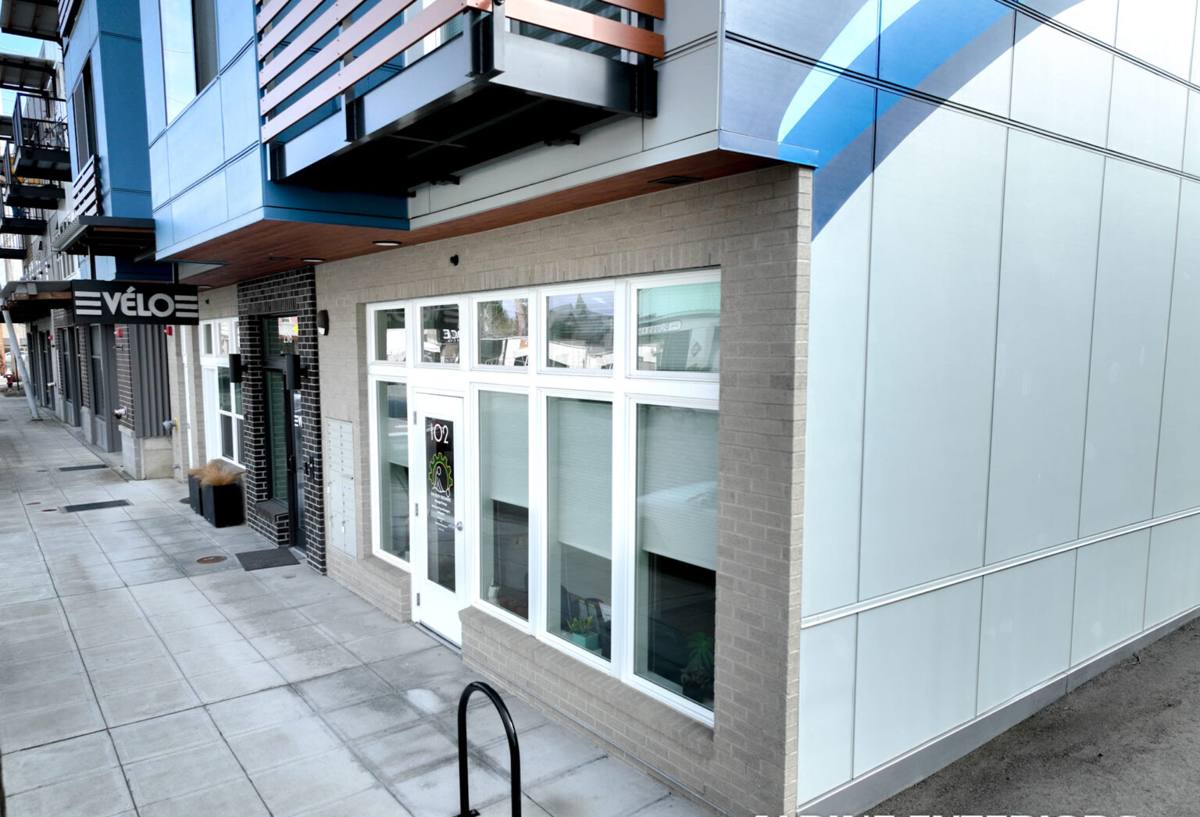
What the Harbor Environment Does to Siding
Salt air
Airborne salt is corrosive to metal fasteners, flashing, and trim, and it accelerates the breakdown of caulking and sealants faster than a typical inland exposure. Once fasteners or flashing start to fail, water gets behind the siding — and that's when a cosmetic problem becomes a structural one.
Driving rain
Blaine sits exposed to weather moving in off the water, and wind-driven rain doesn't just fall on siding — it gets pushed sideways into seams, laps, and penetrations (hose bibs, vents, light fixtures, deck ledgers). A siding system that isn't lapped, flashed, and caulked correctly at every one of those points will eventually let water in, even if the siding material itself is in good shape.
A long moss season
Cool, damp, and shaded conditions favor moss and algae growth for a large part of the year here. On siding, that growth holds moisture against the surface longer than it would otherwise sit, which speeds up rot in wood-based products and paint failure on painted surfaces. It also traps moisture in horizontal joints and behind trim boards where it's not easy to see from the ground.
Signs a Blaine Harbor Home Needs Siding Repair
- Soft, spongy, or crumbling spots when you press on the siding, especially near the bottom courses and around windows and doors
- Visible gaps at seams, corners, or trim where caulking has shrunk, cracked, or pulled away
- Moss or algae buildup concentrated in horizontal joints, not just on the surface
- Rust streaking below fasteners or flashing
- Bubbling, peeling, or chalky paint in patches rather than evenly across the wall
- Warped, cupped, or bowed boards, particularly on north- and west-facing walls that stay damp longest
- Soft trim or fascia where it meets the siding, which usually means water has been tracking down behind the wall
- Interior clues — a musty smell, a stain on an interior wall, or peeling interior paint near an exterior wall
Any one of these on its own might be minor. Several of them together, especially in the lower few feet of a wall or around penetrations, usually means water has been getting behind the siding for a while.
Repair or Replace? How We Make That Call
Not every damaged section means the whole wall needs to come off. But not every problem can be patched, either. The honest answer depends on how far the moisture has traveled and what's underneath.
| Situation | Usually Repairable | Usually Needs Replacement |
|---|---|---|
| Damage isolated to one or two boards/panels | Yes | |
| Rot has spread into the sheathing or framing | Yes | |
| Failed caulking/flashing with siding itself sound | Yes | |
| Moisture readings elevated across multiple walls | Yes | |
| Original siding is non-Hardie and already failing broadly | Yes (often) | |
| Cosmetic damage (impact, cracking) with no water intrusion | Yes |
We don't recommend full replacement just to sell a bigger job, and we don't patch over a problem that's going to come back in a year. If a wall is isolated and sound, we repair it. If the damage points to a wider moisture problem, we'll tell you that plainly and explain why.
What a Correct Repair Actually Involves
1. Find the real cause first
Visible damage is a symptom. Before we touch a board, we're looking for the source — a failed flashing detail, a caulk joint that's given out, a penetration that was never sealed correctly. Repairing the siding without fixing the entry point just means doing the job again in a couple of years.
2. Check what's behind the surface
Where damage looks more than surface-deep, we check the condition of the water-resistive barrier and sheathing underneath before closing anything back up. There's no point installing new siding over sheathing that's already compromised.
3. Match the material correctly
We repair with James Hardie fiber cement — the same product line and profile as the existing siding wherever possible, so the patch reads as part of the wall rather than a visible repair. Hardie's factory ColorPlus finish is formulated to hold color and resist the fading that a field-painted patch is prone to, which matters for a clean match.
4. Rebuild the flashing and drainage details
Given how much wind-driven rain this area sees, we pay close attention to how water is meant to shed at laps, corners, and penetrations — not just cosmetically patched, but flashed and lapped the way the assembly was designed to work.
5. Reseal and finish
Fresh, marine-grade-appropriate sealant at joints and penetrations, touch-up or matched paint where needed, and a final check that the repaired section sheds water the way the rest of the wall does.
Why We Repair Exclusively with James Hardie
We install and repair with James Hardie fiber cement only — we don't patch Hardie siding with vinyl, LP SmartSide, or wood trim pieces, and we don't install those products as standalone repairs either. That's a deliberate standard, not a convenience. Hardie's HZ5 product line is engineered for exactly this kind of climate — freeze-thaw cycles, sustained moisture exposure, and coastal air — and it's non-combustible, which matters on a property this close to dry-season wildfire risk further inland as well. Mixing repair materials on a wall creates different expansion rates, different moisture behavior, and a mismatched appearance that shows up fast in this light. Keeping the whole wall on one system is what makes a repair actually last.
Why a Local Blaine Harbor Crew Matters
Siding repair done by a crew that already works this specific stretch of coastline is different from a general contractor treating every job the same. We know which details fail first in a harbor-exposed wall, which orientations take the worst weather, and how long moss season really runs here versus a few miles inland. That's not something you can fully account for from a set of national installation guidelines — it comes from doing the work in this exact environment.
We also know what "repaired" needs to mean here: not just closed up and painted, but sealed and flashed to hold against the next few years of driving rain and salt air, not just the next dry stretch.
What to Expect From Our Process
- Inspection. We walk the exterior, check suspect areas by hand, and look at penetrations, corners, and low courses closely — not just from the driveway.
- Honest diagnosis. We tell you whether it's a repair, a repair plus some preventive sealant work elsewhere, or something bigger — and why.
- Written scope. A clear description of what's being repaired, with what materials, and why — no vague line items.
- The repair. Matched Hardie material, correct flashing and lap details, proper fastening for the exposure, and sealant appropriate to a coastal environment.
- Final check. We walk it with you before we call it done.
Cost Factors for Siding Repair Near the Harbor
| Factor | Why It Matters |
|---|---|
| Extent of water intrusion | Surface-only repairs cost far less than jobs requiring sheathing work |
| Access and wall height | Second-story or hard-to-reach walls take more time and equipment |
| Number of separate repair areas | Several small isolated repairs can cost more in labor than one larger contiguous section |
| Color matching needs | Older siding may need broader repainting to blend a patched section |
| Flashing/detail work required | Fixing the actual cause (not just the symptom) adds scope but prevents repeat failures |
We give you a real number after we've actually looked at the wall — not a phone estimate based on square footage alone, since two "similar-sized" repairs near the harbor can have very different scopes underneath the surface.
Preventing the Next Repair
- Keep gutters and downspouts clear so water isn't sheeting down the wall face
- Trim back vegetation that keeps siding shaded and damp, which encourages moss growth
- Re-caulk penetrations (vents, fixtures, hose bibs) every few years rather than waiting for a gap to appear
- Have caulk and flashing at corners and trim checked periodically, especially on walls facing the water
- Address small damage early — a soft spot caught this year is a patch; left two more winters, it's often a section replacement
If you're seeing soft spots, moss buildup, or gaps in your siding on a home near Blaine Harbor, we're glad to take a look and give you a straight answer on what it actually needs. The estimate is free, there's no pressure, and you'll get a clear explanation of what we find — use the form below to get started.