 Blaine
 Grandview's Climate Is Hard on Windows
Grandview sits close enough to the water that salt air is a daily fact of life, not an occasional nuisance. Add in wind-driven rain off the Strait and a moss season that can stretch for most of the year in Whatcom County's damp, low-light winters, and you have a climate that tests window assemblies harder than most manufacturers' warranty language assumes. Frames corrode, seals fail early, and moisture works its way into places it was never supposed to reach — usually starting at the edges, not the glass itself.
Energy-efficient windows are marketed on their glass packages — U-factor, solar heat gain, that sort of thing — but in a coastal Pacific Northwest setting like Grandview, the bigger question is almost always what happens around the window, not through it. A high-performance window installed with the wrong flashing detail or the wrong sealant will underperform a modest window installed correctly, every time.
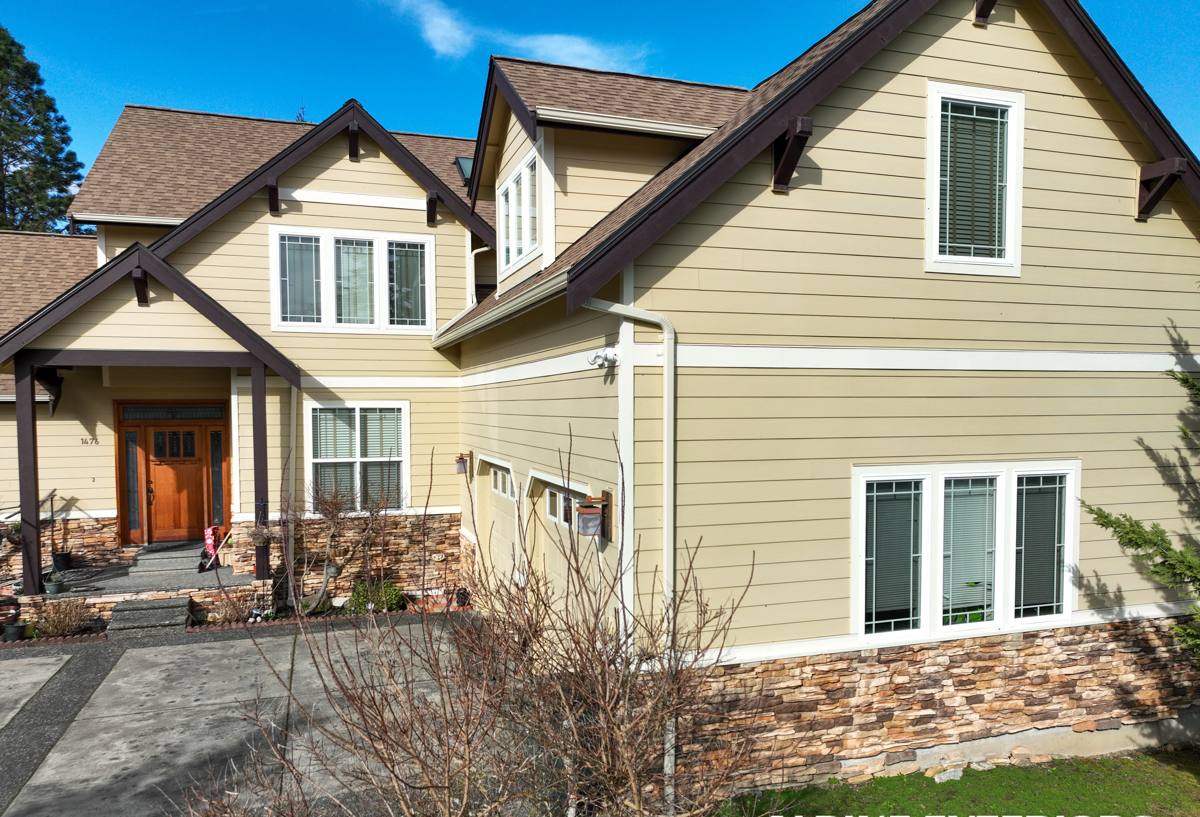
How Salt Air, Rain, and Moss Actually Damage Windows
Each of these three conditions attacks a different part of the window assembly:
- Salt air accelerates corrosion on metal hardware, fasteners, and aluminum components — locks stick, cranks seize, and finishes chalk out faster than they would further inland.
- Driving rain gets pushed sideways by wind, which means it's testing your flashing and sill details far more often than a simple downpour would. Water finds gaps at the head, jambs, and sill before it ever tries the glass.
- Moss and algae thrive in the shaded, moisture-retentive microclimates around window trim, sills, and nearby siding. Beyond the cosmetic issue, sustained organic growth holds moisture against wood trim and can mask early rot.
None of this means windows in Grandview need to be replaced constantly. It means the installation details — flashing sequence, sill pans, sealant choice, and how the window ties into the surrounding siding — matter more here than they do in a drier, more sheltered part of the state.
Signs a Window Is Underperforming
Homeowners often assume a drafty window means the glass has failed. Sometimes that's true, but just as often the problem is at the perimeter. Watch for:
- Condensation forming between the panes (a sign the seal has failed) versus condensation on the inside surface (usually a humidity or ventilation issue, not a window defect)
- Soft or discolored trim or sill wood, especially on walls that face prevailing wind and rain
- Visible moss, algae, or dark staining building up at the sill or lower corners
- Noticeable drafts when standing near the window on a windy day
- Hardware that's stiff, corroded, or difficult to operate
- A noticeable jump in heating costs without any other explanation
Any one of these is worth a look. Several together usually mean the window and its surrounding flashing need attention, not just the glass.
What a Correct Installation Actually Involves
Flashing and Sill Pans
The single biggest factor in long-term window performance in a marine climate is how water is managed at the rough opening before the window ever goes in. A proper installation includes a sloped sill pan so any water that does get past the window drains back outward instead of sitting against the framing, plus head flashing that laps correctly with the weather-resistive barrier above it. Skipping or shortcutting this step is the most common reason a "premium" window still leaks a few years in.
Sealants and Weatherproofing
Not every sealant is rated for sustained UV and salt exposure. We use products chosen for coastal durability rather than whatever is cheapest at the moment, and we pay attention to sealant placement — perimeter sealing is meant to manage air and incidental moisture, not act as the primary water barrier. That job belongs to the flashing.
Integration With Siding
Because we work on siding as much as windows, we treat the window opening as part of the wall assembly, not an isolated component. That means checking that housewrap, flashing tape, and siding trim all shed water in the correct order — shingle-style, top layer over the one below — so nothing gets tucked in backward where it can trap moisture.
Comparing Frame Materials for a Coastal Climate
Frame material has a real effect on how a window holds up to salt air and sustained moisture. Here's how the common options compare for homes in Grandview's conditions:
| Material | Salt Air / Moisture Resistance | Maintenance | Notes |
|---|---|---|---|
| Vinyl | Good — won't corrode or rot | Low | Cost-effective; quality varies significantly by manufacturer |
| Fiberglass | Very good — stable, low expansion/contraction | Low | Handles temperature and moisture swings well; higher upfront cost |
| Wood-clad | Depends on cladding integrity | Moderate to high | Attractive interior wood look, but any breach in the exterior cladding exposes wood to moisture |
| Aluminum | Fair — prone to corrosion and condensation without thermal breaks | Moderate | Generally not our first recommendation for this climate unless thermally broken |
We don't push one material on every job. The right choice depends on the home's style, budget, and how exposed a given wall is to wind and rain.
What Affects the Cost of a Window Project
Costs for energy-efficient window replacement vary widely based on a handful of factors, and being upfront about them helps homeowners plan realistically rather than guess from a single "average" number:
| Factor | Why It Matters |
|---|---|
| Number and size of windows | Larger openings and specialty shapes cost more in both product and labor |
| Frame material and glass package | Fiberglass and upgraded low-E/gas-fill glass cost more than base vinyl and standard glazing |
| Condition of the existing opening | Rot or moisture damage found during tear-out adds repair work before the new window goes in |
| Full-frame vs. insert replacement | Full-frame replacement resets the flashing and sill detail but takes more labor than an insert into an existing frame |
| Access and site conditions | Second-story or hard-to-reach windows take more time and equipment |
We give straightforward, itemized estimates so you can see where the money is going rather than a single lump figure.
How We Approach a Window Project in Grandview
Our process is the same whether it's one window or a whole house:
- Inspection. We look at each opening — not just the glass, but the sill, trim, and how it ties into the surrounding siding — to catch hidden rot or moisture damage before it becomes a surprise mid-project.
- Assessment and options. We walk through frame material, glass package, and budget trade-offs in plain terms, based on which walls take the most weather on your specific home.
- Installation. Proper tear-out, sill pan and flashing installation, correct sealant application, and careful integration with the existing siding and weather barrier.
- Final check and cleanup. We test operation, check seals, and make sure the surrounding siding and trim are left weathertight, not just the window itself.
Because we're a siding contractor first, window replacement rarely happens in a vacuum for us — we're already thinking about how the opening interacts with the rest of the exterior envelope.
Why a Crew That Already Works in Grandview Matters
A window installed correctly in a dry inland climate can still fail here if the crew doesn't account for wind-driven rain and sustained coastal moisture. Contractors who regularly work Grandview and the surrounding Blaine area already know which walls take the brunt of the weather, how moss and algae tend to build up around trim in this specific microclimate, and what flashing details actually hold up over a Whatcom County winter — not just what a manufacturer's install guide assumes for a generic climate zone.
That familiarity also means fewer surprises during permitting and inspection, since local requirements and typical construction in this area are already known quantities rather than something being figured out on your job.
Maintaining Energy-Efficient Windows in This Climate
Good installation gets you most of the way there, but a little seasonal attention extends the life of any window near the water:
- Rinse accumulated salt residue off frames and glass periodically, especially after storms
- Keep weep holes (the small drainage openings along the bottom of the frame) clear of debris and moss
- Check and refresh exterior caulking at the trim line every few years — sealants degrade faster under UV and salt exposure
- Address any moss or algae buildup on nearby siding and trim promptly, before it holds moisture against the wall
- Operate hardware periodically through the winter to keep locks and cranks from seizing
None of this is complicated, but skipping it is how a well-installed window ends up with an avoidable problem a few years down the road.
Ready to Talk About Your Windows?
If you're dealing with drafts, moisture damage, or windows that just aren't keeping up with Grandview's weather anymore, we're happy to take a look. We offer free, no-pressure estimates — just fill out the form below and we'll get in touch to talk through what your home actually needs.