 Blaine
 Custom Windows Built for Dakota Creek's Climate
Dakota Creek sits close to the water and to the tree-lined creek corridor it takes its name from, which means homes here deal with a mix of conditions that's tougher on windows than most homeowners realize going in. Blaine's salt air off Semiahmoo Bay reaches this part of Whatcom County just like it does anywhere else in town, and the creek corridor itself adds shade and standing moisture that a more open, sun-exposed lot wouldn't see. Add in driving rain that comes ashore with real force during storms, and a window here is doing more work than the same window would on a drier, more sheltered site.
Custom windows for Dakota Creek aren't just about picking a style and a color. The material, the glazing package, and — more than either of those — the installation details around flashing and drainage are what actually determine whether a window performs for twenty years or starts showing problems in five. This page covers what homes in this part of Blaine actually need from their windows, what a correct installation involves, and how our process works for a custom window project here specifically.
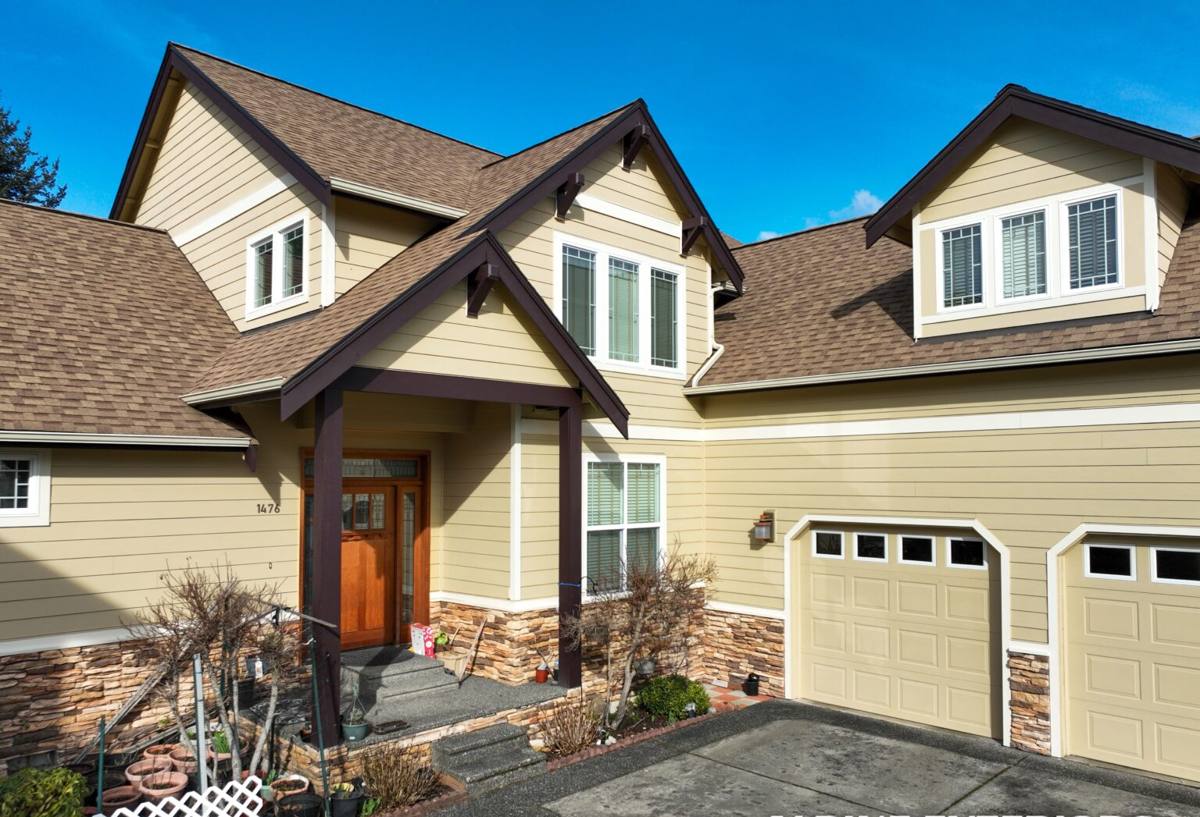
What This Climate Does to Windows
Salt Air and Hardware Corrosion
Salt-laden air off the bay works on exposed metal steadily over time — window hardware, screen frames, and especially lower-grade fasteners used in the installation itself. A hinge or lock mechanism that starts corroding doesn't fail all at once; it gets stiffer and harder to operate first, which is usually the first sign homeowners notice something's wrong. Windows installed with corrosion-resistant hardware and fasteners hold up noticeably longer here than windows built to a generic spec.
Wind-Driven Rain at the Window Line
Storms off the water don't just fall straight down in Blaine; wind pushes rain sideways and drives it up under trim and into any gap in the flashing or sealant around a window opening. A window that's watertight in calm conditions can still leak the moment wind gets involved if the flashing details underneath the trim weren't done correctly. This is the single biggest cause of window-related water damage we see, and it's almost always an installation issue rather than a product defect.
Shade, Moisture, and a Long Moss Season
The tree cover along the creek corridor keeps a lot of Dakota Creek properties shadier and damper than more open lots elsewhere in Blaine, and that combination gives moss, algae, and mildew a longer season to work with. Window sills, trim, and the wood framing behind a window opening are common places for that moisture to sit if drainage isn't handled well, and a shaded, slow-to-dry window opening is more vulnerable to wood rot around the frame than one that gets regular sun. Material choice and flashing detail matter more here than they would on a sunnier lot.
Choosing the Right Window Material
Homeowners in this area generally choose between vinyl, fiberglass, and wood or wood-clad windows, and each handles Dakota Creek's combination of salt air, moisture, and shade differently.
Vinyl
Vinyl windows don't corrode and don't need painting or staining, which makes them a low-maintenance choice in a climate that's hard on exposed materials. They perform well against moisture and salt air, though vinyl frames can expand and contract more than fiberglass with temperature swings, which is a detail worth accounting for in the installation rather than a reason to avoid the material.
Fiberglass
Fiberglass frames are dimensionally stable across temperature changes, resist moisture absorption well, and generally hold paint better than vinyl if a homeowner wants a specific frame color down the road. They typically cost more than vinyl, and for a shaded, moisture-heavy lot near the creek, that stability and moisture resistance is often worth the difference.
Wood and Wood-Clad
Wood-frame and wood-clad windows offer a warmth and interior look that vinyl and fiberglass don't fully replicate, and clad exteriors protect the wood from direct weather exposure. The tradeoff is upkeep — any exposed wood, including interior wood on a clad window, needs attention over time, and in a shaded, damp location that maintenance schedule matters more than it would on a drier lot. We're honest with homeowners about that tradeoff rather than glossing over it.
| Material | Moisture & Salt Handling | Upkeep | Best Fit For |
|---|---|---|---|
| Vinyl | Strong — won't corrode or absorb moisture | Low — occasional cleaning | Budget-conscious, low-maintenance priority |
| Fiberglass | Excellent — stable and moisture-resistant | Low — occasional cleaning | Shaded, high-moisture lots near the creek |
| Wood-clad | Good on the exterior; interior needs care | Moderate — interior wood upkeep | Homeowners prioritizing interior wood look |
| Solid wood | Weakest against sustained moisture unmaintained | Regular sealing or painting | Historic or period-specific homes with upkeep planned |
Window Styles and How They Handle Driving Rain
Style affects weather performance as much as material does, and it's a factor a lot of window shopping skips past in favor of looks alone.
Casement Windows
Casement windows crank outward and seal by compressing against the frame on all sides when closed, which generally gives them the tightest seal against wind-driven rain of any common window style. For a Dakota Creek home taking rain off the water at an angle, that's a real practical advantage, not just a marketing point.
Double-Hung Windows
Double-hung windows are the most familiar style and work well for most homes, but the sash-over-sash design has more potential points for wind-driven water to work its way in than a casement's compression seal. Quality double-hung windows with good weatherstripping still perform well here — the style isn't a poor choice, it just puts more weight on getting the weatherstripping and installation right.
Sliding Windows
Sliding windows are a solid option for wide openings but, like double-hung windows, rely on a track-and-seal system rather than a compression seal, so installation quality and hardware condition matter more to their long-term water performance in this climate.
What a Correct Custom Window Installation Involves
The window unit itself gets most of the attention, but around here, what's happening in the rough opening before the window ever goes in is what actually determines whether it stays watertight. A correct installation for this area includes:
- A properly sloped sill pan at the bottom of the rough opening, so any water that does get past the window has somewhere to drain instead of sitting against the framing
- Self-adhered flashing membrane integrated with the home's existing water-resistive barrier, lapped correctly so water sheds outward and downward at every layer
- Corrosion-resistant fasteners and hardware suited to salt-air exposure, not standard hardware that starts corroding within a few seasons
- Backer rod and quality exterior sealant at the trim line, sized and installed correctly rather than a bead of caulk run over a gap that's too wide or too narrow
- Insulation packed correctly around the window frame in the gap between the unit and the rough opening, without over-packing in a way that can bow the frame
- Interior air sealing in addition to exterior weatherproofing, since a window that's sealed outside but leaky on the interior air barrier still loses efficiency
- Level, plumb, and square setting of the unit itself, since a window installed slightly out of square wears its weatherstripping unevenly and seals poorly over time
Skip the flashing and sill pan details and a window can still look perfect on installation day. The leak usually doesn't show up until a storm drives rain at it from the wrong angle, and by then the water's often already gotten into the wall framing.
Glazing, Efficiency, and Condensation
Most custom windows installed today use double-pane glass with a low-emissivity coating and an insulating gas fill between the panes, which is a solid baseline for this region's climate. Triple-pane glass adds another layer of insulation and can help with sound dampening and comfort near larger window openings, at added cost and weight — worth discussing for a specific room or orientation, but not something every window in a project needs.
Condensation is worth a specific mention for shaded, moisture-heavy lots like this one. Interior condensation on window glass is usually a sign of household humidity meeting a cold surface, not a window defect, but in a home that runs damp because of its shaded, low-airflow surroundings, that condensation shows up more often and is worth addressing with ventilation alongside the window choice itself. A well-installed, properly glazed window reduces the problem; it doesn't eliminate a humidity issue on its own.
Permits and Local Code Considerations
Window replacement and new openings in Blaine generally fall under Whatcom County building code requirements, including energy code minimums for glazing performance and egress requirements for bedroom windows. Egress sizing in particular catches homeowners off guard on older homes where a bedroom window was never quite up to current minimums — replacing it is often the moment to correct that. We handle the permitting and code-compliance side of a custom window project as part of the job rather than leaving it for the homeowner to track down.
How Our Process Works
We start with a walk of the home to look at each opening individually — current window condition, sun and shade exposure, wind direction relative to the water, and any signs of past water intrusion around the trim or sill. From there we go through material and style options that fit the budget and the specific conditions each opening faces, since a shaded window on the creek side of a house doesn't necessarily need the same spec as a sun-exposed window on the opposite wall.
Installation follows the sequence above — sill pan and flashing first, then the unit itself set level, plumb, and square, followed by insulation, air sealing, and exterior trim and sealant work. We finish with a walkthrough of how to operate and maintain the specific hardware and material you chose, since upkeep needs vary enough between vinyl, fiberglass, and wood-clad that a generic care sheet doesn't cover it well.
Why It Matters That We Already Work Dakota Creek
A crew that mainly installs windows on open, sun-exposed lots can still do competent work, but a Dakota Creek job has variables that don't come up as often elsewhere in Blaine — shade and moisture from the creek corridor, wind-driven rain angled off the bay, and a longer moss and mildew season than a drier, more open site sees. Working this area regularly means we're not guessing at flashing details or material recommendations on your project; we've seen which combinations hold up against this specific mix of conditions and which cut corners show up as problems a few winters later.
That familiarity also means straight answers rather than upsells — telling you plainly when triple-pane glass is worth it for a particular room and when it isn't, or when a wood-clad window's upkeep is a fit for your household and when fiberglass makes more sense instead.
Get a Straight Answer About Your Windows
Whether you're replacing a few problem windows or planning a full custom window package for a Dakota Creek home, we're happy to walk the property with you and lay out the options plainly, opening by opening. Reach out below for a free, no-pressure estimate.