 Blaine
 Building Decks for Peace Arch's Coastal Climate
Peace Arch sits close to the water and close to the border, which means homes here take a different kind of weather beating than decks just a few miles inland. Blaine's location on Semiahmoo Bay and Drayton Harbor puts salt-laden marine air directly on every exterior surface, and Whatcom County's winter and spring rain pattern keeps decks wet for long stretches at a time. Add in a moss season that can run from late fall well into spring, and you have three separate stressors working on the same structure at once. A deck built without those specifics in mind will show problems faster here than it would in a drier, inland neighborhood.
We build and repair decks in Peace Arch regularly, and the material choices, fastener specs, and drainage details we use reflect what actually happens to wood and composite decking in this specific stretch of Whatcom County — not generic manufacturer guidance written for a different climate.
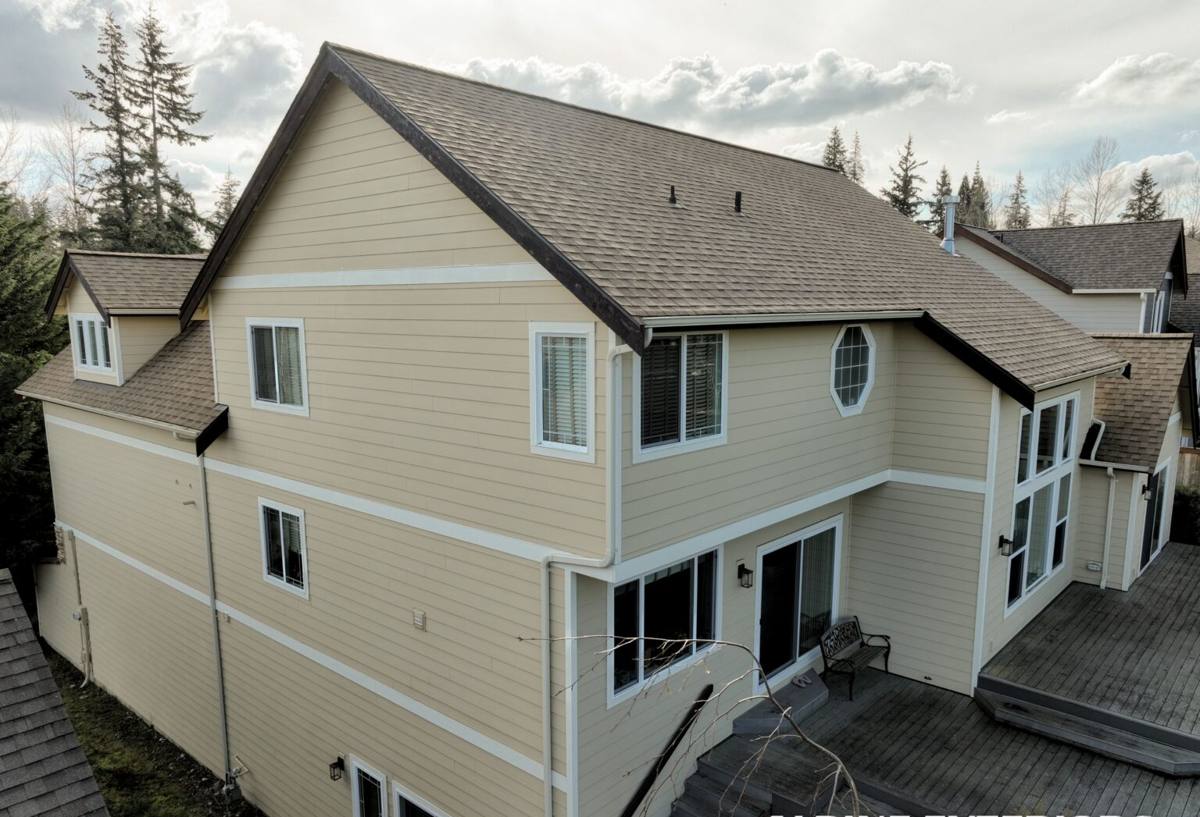
What Salt Air, Rain, and Moss Actually Do to a Deck
Corrosion at the Fasteners
Salt air accelerates corrosion on any exposed metal — screws, joist hangers, structural bolts, railing brackets. On a standard deck, the fasteners are what fail first, often years before the decking boards themselves show real wear. Once a fastener starts to rust, it weakens the connection it's holding and can stain the surrounding wood or composite.
Moisture Trapped Under Boards
Driving rain doesn't just fall straight down — wind off the bay pushes it sideways and underneath railings, ledger boards, and stair stringers. Framing that isn't properly protected stays damp longer than it should, which is where rot gets started, usually out of sight until the damage has spread.
Moss and Algae on Walking Surfaces
A long moss season means more months where a deck surface stays damp and shaded enough for moss and algae to take hold. Beyond the cosmetic issue, moss on decking is a real slip hazard, and moss roots can hold moisture against wood fibers or work into the texture of certain composite boards.
Choosing the Right Decking Material for This Neighborhood
There's no single "best" decking material — the right choice depends on budget, how much upkeep you're willing to do, and how close your lot is to open water and prevailing wind. Here's how the common options compare for a Peace Arch install:
| Material | Salt Air Resistance | Moss/Algae Resistance | Maintenance | Typical Lifespan |
|---|---|---|---|---|
| Pressure-Treated Wood | Fair — hardware needs upgrading | Low — needs regular cleaning | Annual sealing/staining | 10–15 years |
| Cedar | Good, naturally rot-resistant | Fair with maintenance | Sealing every 1–2 years | 15–20 years |
| Composite | Good | Good, varies by brand/texture | Periodic washing | 25–30 years |
| PVC/Capped Polymer | Excellent, no wood fibers to absorb moisture | Very good, smoother cap sheds moss | Occasional washing | 25–30+ years |
Wood costs less up front but demands the most ongoing attention in this climate — skipping a season of sealing here has real consequences faster than it would in a drier area. Composite and PVC cost more initially but hold up better against the combination of salt exposure and sustained moisture, which is why we see more homeowners near the water lean that direction. That said, plenty of Peace Arch homes are well served by a properly detailed wood deck if the owner is committed to the maintenance schedule — it's a legitimate choice, not a compromise.
What's Underneath Matters as Much as What You Walk On
Most deck failures we get called out to inspect start in the framing, not the decking surface. In a salt-air, high-rain environment, we treat the substructure as the part of the job that determines whether the deck lasts 10 years or 30.
- Corrosion-resistant fasteners and joist hangers rated for treated lumber and coastal exposure, not standard interior-grade hardware
- Joist tape or flashing over the top of framing members to keep water from soaking directly into end grain
- Ledger board flashing that directs water away from the house band board instead of letting it pool at the attachment point
- Footings sized and set to Whatcom County frost depth and soil conditions, not a shortcut spec
- Proper airflow underneath the deck so framing can dry out between rain events instead of staying damp for weeks
Drainage, Railings, and the Attachment Points We Watch Closest
A deck that sheds water well will always outlast one that doesn't, regardless of what material sits on top. We pay particular attention to a few connection points that tend to get overlooked:
Board spacing and slope. Decking needs a slight pitch away from the house and consistent gapping between boards so water has somewhere to go instead of sitting on the surface. Too tight, and boards trap water and debris; too wide, and you get an uneven, less comfortable walking surface.
Railing posts. Railing attachment points take wind load in addition to normal use, and in a spot exposed to wind off the bay, that load is real. We use through-bolted connections with corrosion-resistant hardware rather than relying on lag screws alone.
Stair stringers. Stairs sit lower and closer to grade, which means more splash-back moisture and more moss exposure than the main deck surface. We detail stringers and treads with that in mind rather than treating them as an afterthought to the main structure.
Our Deck Building Process in Peace Arch
- On-site assessment. We look at sun and wind exposure, drainage on your lot, existing structure if it's a rebuild, and how close you are to open water — that last factor genuinely changes our hardware and material recommendations.
- Design and material selection. We walk through the trade-offs in the table above based on your budget and how much maintenance you want to take on, and design the layout, railing style, and stair placement around how you'll actually use the space.
- Permitting. Deck permits in Blaine and Whatcom County depend on size, height, and attachment to the home — we handle the application and inspection scheduling as part of the job.
- Framing and structural work. Footings, ledger attachment, joists, and flashing go in first, with the corrosion-resistant hardware and moisture protection described above.
- Decking installation. Boards are laid with proper spacing and fastening for your chosen material, whether that's wood, composite, or PVC.
- Railings and finishing details. Railings, stairs, and any trim or skirting are installed and checked for solid attachment.
- Final walkthrough. We go over the finished deck with you, including what maintenance it needs and on what schedule, before we consider the job done.
Keeping a Peace Arch Deck Looking Good Year After Year
Even the best-built deck needs some seasonal attention in this climate. A simple maintenance routine goes a long way toward avoiding early repairs:
- Sweep debris and standing water off the surface regularly, especially during the fall and winter rain season
- Wash the deck surface at least once a year to remove moss and algae buildup before it takes hold
- Check railing posts and stair connections annually for any looseness or corrosion at the hardware
- Reseal or restain wood decking on the schedule appropriate to your product — don't let it lapse a season
- Keep gutters and downspouts near the deck clear so runoff isn't dumping extra water onto or under the structure
- Trim back overhanging branches or vegetation that keeps sections of the deck shaded and slow to dry
Why Hire a Crew That Already Works in Peace Arch
Deck-building advice that's written for a generic climate misses the specifics that matter here — the salt exposure off the bay, the length of the wet season, and how long moss has to establish itself before summer finally dries things out. A crew that already works in this neighborhood has seen which fastener grades actually hold up, which material choices homeowners regret two winters in, and where water tends to collect on lots near the water. That local knowledge shows up in decisions you won't necessarily see on the surface — the flashing detail at the ledger, the hardware spec, the slope of the boards — but it's exactly what determines whether a deck is still solid in fifteen years or needs major repair in five.
If you're planning a new deck or need to know whether an existing one is holding up the way it should, we're happy to take a look and talk through honest options for your property. Reach out below for a free, no-pressure estimate.