 Blaine
 Window Installation Built for Cherry Point's Coastal Climate
Cherry Point sits right up against the Strait of Georgia, and that waterfront location shapes everything about how windows perform there. Homes in this part of Whatcom County take on a steady diet of salt-laden air, wind-driven rain that comes in sideways during winter storms, and a wet season that stretches on long enough to grow moss on anything that stays damp too long. Windows are one of the first parts of a house to show the wear from that combination, and one of the most expensive parts to get wrong.
This page is about one job done right in one place: window installation for Cherry Point homes. Not a general overview of siding, roofing, or trim — just what it actually takes to install windows that hold up here, and why a crew that already knows this stretch of coastline does that job differently than a general contractor working from a standard checklist.
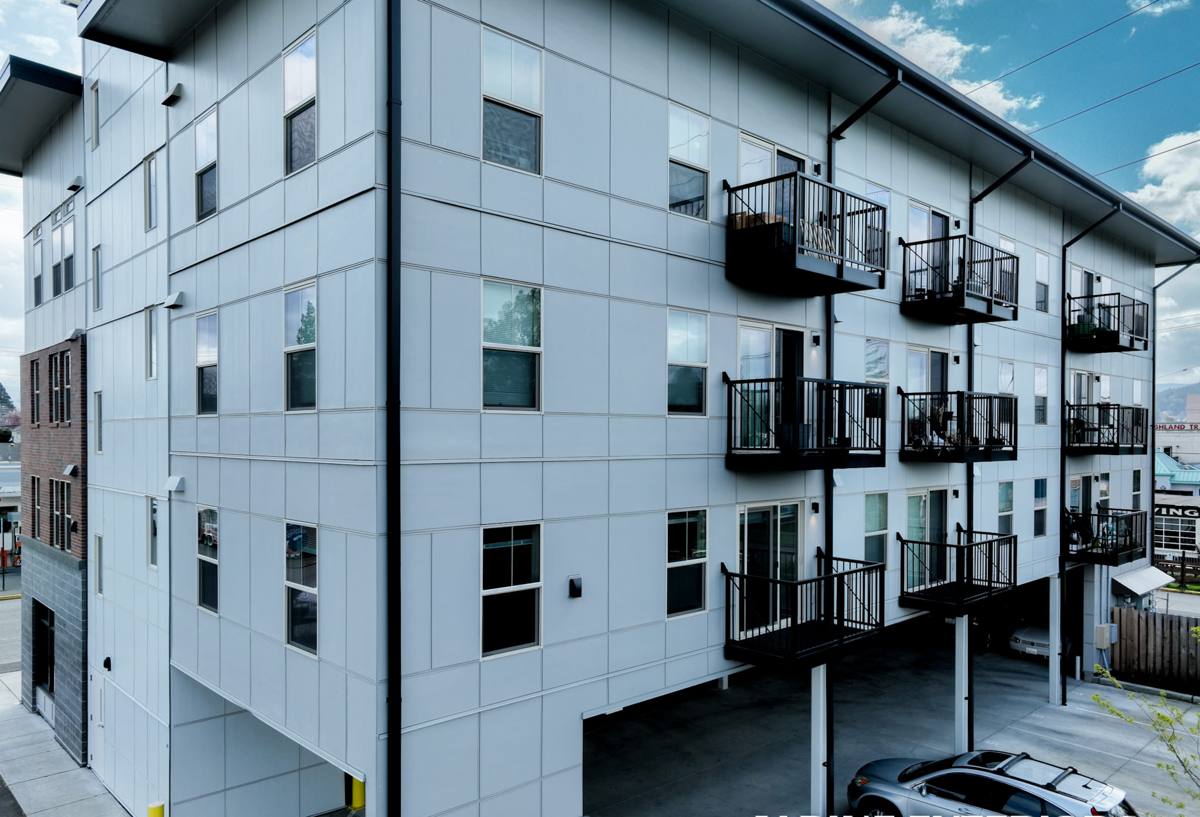
What Salt Air and Coastal Exposure Do to Windows Over Time
Salt air doesn't just sit on the surface of a window — it works into hardware, fasteners, and finish over years of exposure. On homes close to the water, we routinely see problems that homeowners further inland don't have to think about as much:
- Corrosion on aluminum frames, hinges, and locking hardware, sometimes years before it would show up on a comparable inland home
- Pitting and dulling of unprotected metal components, including screws and cranks on older casement windows
- Seal failure in older insulated glass units, showing up as fogging or condensation trapped between the panes
- Moss and algae staining on window sills and lower sashes, especially on north- and west-facing walls that stay shaded and damp
- Wood rot at sills and corners where finish has worn thin and moisture has had a chance to sit
None of this means windows can't last near Cherry Point — plenty do, for decades. It means the material choices, hardware, and installation details matter more here than they would in a drier, more sheltered part of the state.
Signs a Cherry Point Home Needs New Windows
Homeowners often wait longer than they should because a window still "works" even after it's stopped doing its job well. A few signs worth acting on:
Drafts and Water Intrusion
If you can feel air movement around a closed window during a winter storm, or notice a damp smell or staining on the wall below a window after driving rain, the seal or flashing has likely failed. On exposed Cherry Point lots, this often shows up first on the sides of the house that face open water or open fields, where wind has nothing to break it before it hits the building.
Difficulty Operating the Window
Swollen wood sashes, stiff cranks, or locks that no longer catch cleanly are usually a sign that moisture has already gotten into the frame or hardware — corrosion and swelling both make windows harder to open and close.
Visible Fog Between the Panes
This means the seal on the insulated glass unit has failed and the gas fill (or simple dead air space) between the panes has been compromised. It's a glass problem, not a cleaning problem, and it only gets replaced by installing a new sash or unit.
What a Correct Window Installation Actually Involves
Setting a window into a rough opening looks simple from the outside, but the parts that determine whether it holds up near the water are mostly hidden once the trim goes back on. A proper installation includes:
- Opening inspection — checking the existing sill, framing, and sheathing for hidden rot or moisture damage before anything new goes in. Installing a new window over a compromised opening just seals the problem behind new trim.
- Correct flashing sequence — sill pan flashing, side flashing, and head flashing installed in the right shingle-lap order so water is always directed outward and downward, never trapped behind the window.
- Weather-resistive barrier integration — tying the window's flashing into the house wrap or building paper correctly, so the whole wall assembly sheds water as one system rather than as separate patched pieces.
- Air sealing and insulation — a continuous bead of appropriate sealant and properly compressed low-expansion foam or backer rod around the frame, avoiding both gaps and over-filled cavities that can bow a frame.
- Level, plumb, and square setting — a window that's slightly out of square will bind, won't seal evenly, and will wear its weatherstripping unevenly for the rest of its life.
- Exterior trim and sealant detailing — the visible finish work, done last, using sealants rated for the temperature and moisture swings this climate produces.
Skipping or rushing any one of these steps is usually invisible on installation day and becomes a leak, a draft, or a rot problem two to five years later — often right around the point where it's no longer covered by a short workmanship warranty.
Choosing Frame Materials for a Cherry Point Property
There's no single "best" window material for every home — the right choice depends on the home's exposure, budget, and maintenance appetite. Here's how the common options compare specifically for a salt-air, high-rain environment:
| Frame Material | Coastal Performance | Maintenance | Typical Trade-Off |
|---|---|---|---|
| Vinyl | Good — won't corrode or rot, handles moisture well | Low — occasional cleaning | Limited color and structural options on very large openings |
| Fiberglass | Very good — dimensionally stable, resists salt and moisture | Low | Higher upfront cost than vinyl |
| Wood, clad exterior | Good if cladding and flashing details are correct | Moderate — interior wood still needs care | Relies heavily on installation quality to keep moisture out of the wood core |
| Aluminum (uncoated or poorly finished) | Weak — prone to pitting and corrosion near salt water | Higher — hardware and finish need monitoring | We steer clients away from unclad aluminum on directly exposed elevations for this reason |
We're not selling one brand over another — we're matching the frame material to how exposed a particular wall of the house actually is. A window facing sheltered, tree-lined ground doesn't need the same spec as one facing open water or open field with nothing to slow the wind.
Glass Options Worth Understanding
Beyond the frame, the glass package matters for both comfort and condensation control. Double-pane, low-E coated glass is the standard baseline for this climate. Homes with larger openings or west-facing glass exposed to storm winds often benefit from upgraded gas fills or laminated glass for added durability against wind-driven debris. We'll walk through what's actually worth it for your specific openings rather than upselling every option on every window.
Our Window Installation Process
We keep the process straightforward and don't skip the boring parts that actually protect the house:
- On-site assessment — we look at existing window condition, framing, and each elevation's actual exposure to wind and water, not just a generic measurement visit
- Product recommendation — matched to that specific opening's exposure, the home's style, and your budget, with honest trade-offs explained rather than a single default option
- Removal and opening inspection — old windows come out carefully so we can check the sill and framing underneath before anything new goes in
- Repair as needed — any rot or moisture damage found gets addressed before the new window is set, not covered over
- Installation — proper flashing sequence, air sealing, and leveling as described above
- Finish work — interior and exterior trim, sealant, and a final operational check on every window installed
- Walkthrough — we show you what was done and answer questions before we consider the job finished
Cost Factors for Window Installation Near Cherry Point
Pricing varies by opening size, frame material, glass package, and how much repair work the opening needs once the old window is out. Rather than quote a number that won't match your house, here's what actually drives the cost:
| Factor | Why It Matters |
|---|---|
| Number and size of openings | Larger and more numerous windows mean more material and labor |
| Frame material selected | Vinyl, fiberglass, and clad-wood carry different material costs |
| Hidden rot or framing damage | Repair work found once the old window is removed adds time and material |
| Exposure of the specific wall | Elevations facing open water or wind may warrant upgraded flashing or glass |
| Access and second-story work | Height and access affect labor time and equipment needs |
We give a firm, written quote after the on-site assessment — not a phone estimate — because the hidden condition of the opening genuinely changes the scope on older homes in this area.
Why Local Experience in Cherry Point Matters
A crew that mostly works drier, more sheltered neighborhoods can still install a window correctly on paper and still get it wrong for this location — using a standard sealant rated for a milder climate, skipping a sill pan because "it's usually fine," or not accounting for how much harder wind-driven rain pushes against an exposed wall near open water. None of those choices show up as a problem on installation day. They show up two winters later.
Working in and around Blaine and greater Whatcom County means we see how these choices play out over time — which details hold up against a marine climate and which ones quietly fail. That's the difference between a window installation that looks right at handoff and one that's still performing correctly after five wet seasons.
A Simple Checklist Before You Hire Anyone
- Do they inspect the existing opening for hidden rot before quoting, not just measure the glass?
- Can they explain their flashing sequence in plain language, not just say "we seal it up"?
- Do they recommend frame material based on which wall the window is on, or sell one product for the whole house?
- Is the estimate in writing, with material and labor broken out?
- Do they carry proper licensing and insurance for exterior work in Washington?
- Will they walk you through the finished work before calling the job done?
If your Cherry Point home has windows that are drafty, fogged, hard to operate, or just due for an honest look, we're happy to come take that look. Reach out for a free, no-pressure estimate — we'll tell you what your windows actually need, not just what we'd like to sell.