 Blaine
 Windows in Blaine Harbor: The Most Exposed Openings in Town
Blaine Harbor sits right at the waterfront, closer to open salt water and prevailing wind than most other parts of town. Homes and condos here don't get salt air and driving rain as an occasional weather event — it's a daily condition, and it lands directly on window glass, frames, and hardware before it reaches anything else on the house. If you own a home in or near Blaine Harbor, your windows are doing more work, and taking more of a beating, than a similar home's windows would a few miles inland in Whatcom County.
We replace windows for homes throughout Blaine, and Blaine Harbor is territory we work regularly, not an occasional stop between bigger jobs elsewhere. This page focuses specifically on window replacement for this stretch of waterfront — what the local climate actually does to windows here, what a correct replacement job involves, and how our approach differs from what we'd do on a more sheltered, inland property.
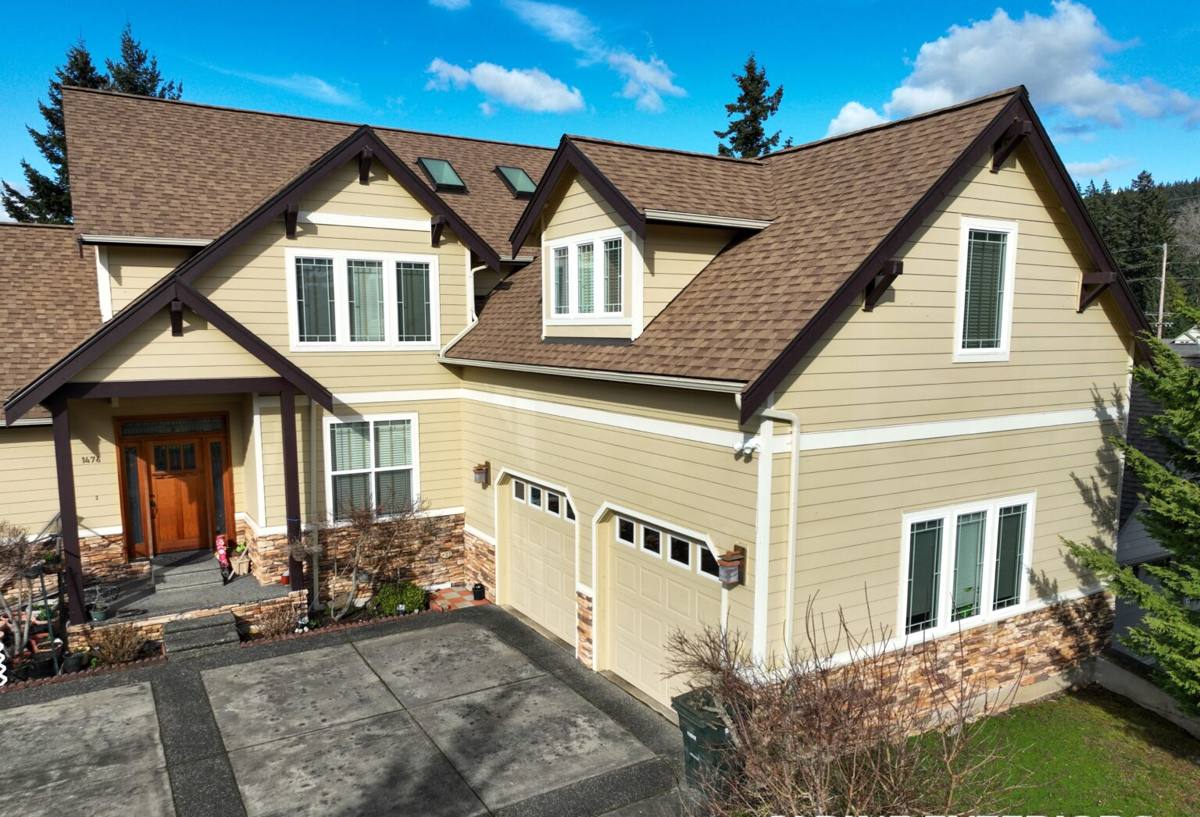
What Blaine Harbor's Climate Does to Windows
Salt Air, Close to Open Water
Salt-laden air off the harbor accelerates corrosion on window hardware — hinges, locks, balance mechanisms, and screen frames — faster than it would on a home set back from the water. Lower-grade metal finishes are usually the first thing to show it, with pitting, stiffness, or a locking mechanism that starts binding well before the glass or frame shows any wear. Aluminum-framed windows are particularly vulnerable to this kind of corrosion in a harbor-adjacent setting unless the finish is genuinely built for it.
Wind-Driven Rain
Storms moving in off the water rarely drop rain straight down on a Blaine Harbor home. Wind pushes it sideways into window flashing, head trim, and the sill beneath the frame, and that sideways pressure is a far tougher test of an installation than the region's rainfall totals alone suggest. A window that performs fine on a calm, sheltered lot can leak here if the flashing and sill pan weren't built with wind-driven water specifically in mind.
A Long Moss and Mildew Season
Mild, damp weather gives moss and mildew a long season to work on any surface that stays shaded or doesn't drain well, and that includes window sills, sashes, and the trim around a frame. On wood components especially, sustained dampness at the sill is where slow rot starts — usually well before it's visible from outside.
Signs a Blaine Harbor Home Needs Window Replacement
Not every window problem means full replacement, but these are the signs worth taking seriously on a harbor-adjacent property, where problems tend to progress faster than they would further inland:
- Fogging or condensation trapped between panes — a failed seal on a double- or triple-pane unit
- Stiff, pitted, or hard-to-operate locks and hardware
- A noticeable draft or cold spot near a closed window
- Soft, discolored, or spongy sill and trim material
- Visible corrosion streaking below metal hardware or frame components
- Gaps, cracked caulk, or daylight visible around the frame from inside
- Water staining on interior walls or ceilings near a window
- A window that's become difficult to open, close, or latch securely
Any one of these is worth a professional look. On a harbor-adjacent home, we'd rather catch it while it's still a repair than wait until it's water damage in the wall framing.
Frame Materials: What Actually Holds Up This Close to the Water
Every frame material has trade-offs, and the right choice depends on your budget, wind exposure, and how long you plan to stay in the home. Here's how the common options actually perform in a setting this exposed:
| Frame Material | Salt Air & Corrosion Behavior | Maintenance | Realistic Fit for Blaine Harbor |
|---|---|---|---|
| Vinyl | Won't rust or rot; performance depends heavily on installation quality and weld integrity | Low | Solid budget option when installed correctly |
| Fiberglass | Dimensionally stable, holds up very well against sustained moisture and salt exposure | Low | Strong fit for direct waterfront exposure |
| Wood, clad exterior | Attractive, but the exterior cladding has to fully protect the wood core at joints and sills | Higher; finish upkeep matters more here | Workable, but needs more diligence this close to the water |
| Aluminum | Conducts cold, and finish quality determines how well it resists corrosion | Moderate | Least forgiving option for direct salt exposure |
We'll walk through which material fits your specific exposure — a window facing the harbor directly and one on a more sheltered wall of the same house don't always call for the same answer.
What a Correct Installation Involves Here
Most window failures we find on harbor-adjacent homes aren't failures of the window product itself — they're shortcuts in the flashing and sealing details that don't show up until a wet season or two later. On every Blaine Harbor installation, that means:
- A sill pan pitched to shed water outward, not let it pool under the frame
- Head flashing properly integrated and lapped with the housewrap above the window
- Jamb flashing tied into the surrounding wall assembly rather than relying on caulk alone
- Weep holes and drainage paths left clear and functional
- Corrosion-resistant fasteners and hardware rated for direct salt exposure
- Air sealing and insulation around the frame that doesn't trap moisture against the framing
None of this adds meaningfully to the cost of the job relative to the window itself. Skipping it is what turns a window that should last decades into one that's leaking behind the wall within a few winters — and that risk is higher here than almost anywhere else in Whatcom County.
Full-Frame Replacement vs. Insert Replacement
One of the first decisions on a window project is whether to do a full-frame replacement — removing the old window down to the rough opening and rebuilding the flashing from scratch — or an insert replacement, which fits a new window into the existing frame. Insert replacement is faster and less invasive to surrounding siding and trim, and it works well when the existing frame is structurally sound and was flashed correctly to begin with. On Blaine Harbor properties, we see more cases where full-frame replacement is the honest answer, simply because sustained salt and wind exposure tends to compromise original flashing details faster than it would on a sheltered, inland home. We'll tell you which situation you're actually in after a real inspection, not assume one or the other going in.
How We Approach a Blaine Harbor Project
Every job starts with an on-site inspection — checking existing frames, sills, and flashing for hidden moisture damage before we ever talk about window selection. From there:
- We assess whether each opening is a candidate for insert or full-frame replacement
- We walk you through frame material, glass, and hardware options suited to your home's specific exposure
- We provide a written estimate specific to your project, not a rough per-window average
- On install day, we remove the old unit, check the rough opening for hidden damage, and rebuild flashing and the sill pan to standard before the new window goes in
- We test every window for smooth operation and a tight seal before we consider the job finished
If we find rot or moisture damage once an old window comes out, we'll show you what we found and explain the repair before doing any additional work — not surprise you with it on the invoice.
What Affects Cost
Every home and every opening is different, so we don't quote sight unseen — but these are the main factors that move the price on a Blaine Harbor window project:
| Factor | Why It Matters |
|---|---|
| Insert vs. full-frame replacement | Full-frame involves more labor and flashing rebuild, especially where old flashing has already failed |
| Frame material | Fiberglass generally costs more than vinyl; wood-clad more still |
| Window size and style | Larger openings, custom shapes, and operable styles cost more than standard fixed units |
| Existing moisture damage | Rot found at the sill or jambs once the old window is out adds repair scope |
| Number of openings | Per-window cost typically drops on larger, whole-house projects |
| Glass package | Double-pane vs. triple-pane, and Low-E or gas-fill options, affect both price and performance |
We'll break down these factors specifically for your home during the estimate, so you understand what's driving the number instead of just seeing a total.
Why a Crew That Already Works Blaine Harbor Matters
A crew that installs windows across Whatcom County's waterfront properties through every season sees how salt air, wind-driven rain, and moss actually behave on real houses over years — not just how a product performs on a spec sheet. That shows up in practical decisions on a Blaine Harbor job: how much attention a wall facing the open water needs compared to one that's more sheltered, how aggressively a sill pan should be pitched given how much water that elevation actually sees, and which flashing details are worth the extra time on install day so you're not dealing with a leak two winters later. It also means understanding that a harbor-adjacent home doesn't get treated the same way as a similar house set back from the water — the exposure is different, and the installation has to account for it.
If your Blaine Harbor home has windows that are fogging, drafty, corroding, or just past their useful life, we're glad to take a look and give you a straightforward, honest read on what it actually needs. Reach out using the form below to schedule a free, no-pressure estimate.