 Blaine
 Birch Bay's Coastline Is Rough on Siding
Birch Bay sits right on the water in Whatcom County, and that location cuts both ways. The same shoreline that makes it a great place to live also means homes here take a beating that inland Blaine properties simply don't see. Salt-laden air off the bay works into seams, fastener heads, and coatings year-round. Wind-driven rain off the Strait doesn't just fall on siding, it gets pushed sideways into laps and trim joints. And the long gray stretch from fall through spring gives moss and algae months of cool, damp shade to take hold on north- and west-facing walls.
None of that is unusual for this part of Washington. But it does mean siding replacement in Birch Bay isn't a generic job. The product choice, the water management details, and the fastening specs all need to account for a coastal microclimate that's harder on a house than what you'd find a few miles inland in Blaine proper.
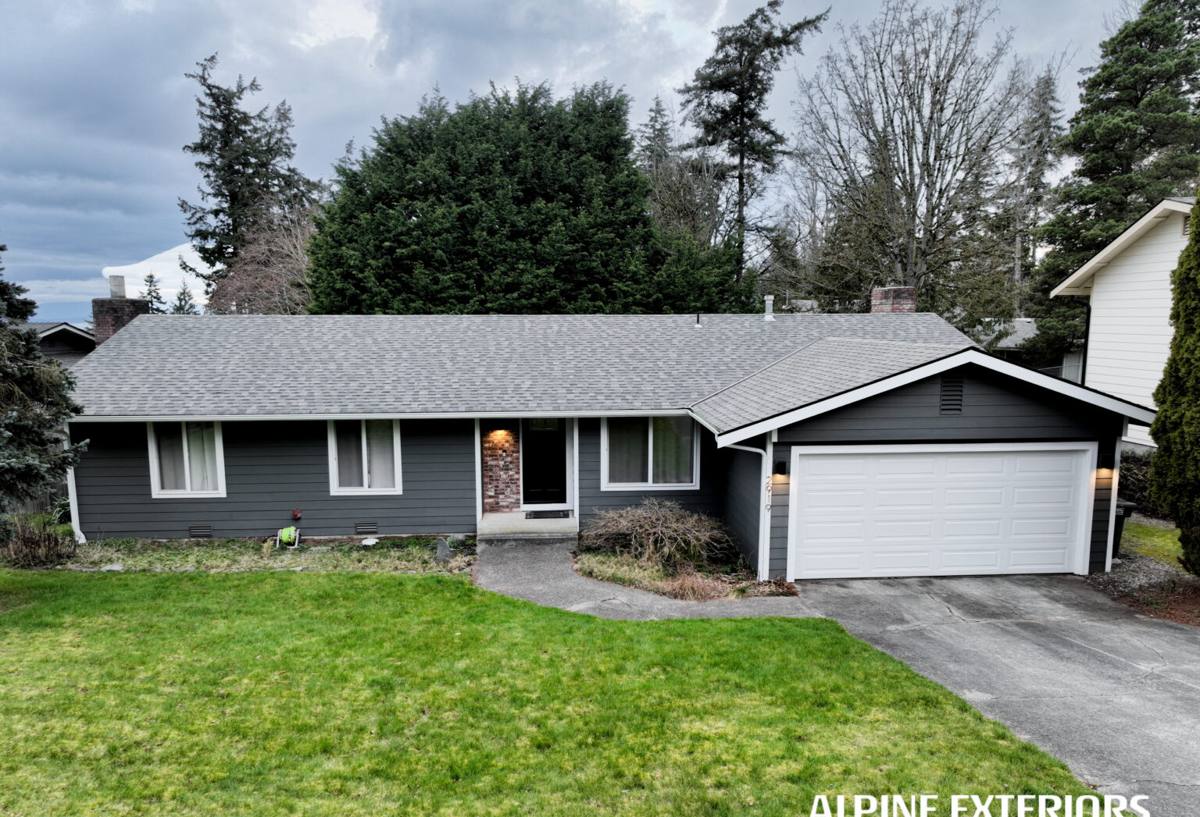
Signs a Birch Bay Home Needs Siding Replacement, Not Just Repair
Some siding problems can be patched. Others are a sign the whole envelope is past its service life. Homeowners along the bay should watch for:
- Soft or spongy spots when you press on the siding, especially near the bottom courses and around window trim
- Persistent moss or dark streaking that comes back within weeks of cleaning
- Paint that's bubbling, peeling, or failing faster than the repaint cycle on similar homes inland
- Visible gaps at butt joints and corners where caulk has shrunk or failed
- Warping, cupping, or delamination on wood-based or engineered wood panels
- A musty smell or discoloration on interior walls that share an exterior wall with damaged siding
If you're seeing two or more of these, especially on the sides of the house that face the water or catch the prevailing wind, it's worth a proper inspection before the underlying sheathing starts absorbing water. Once framing gets wet repeatedly, the repair scope grows well beyond siding.
Why the Material Choice Matters More Here Than Inland
Salt air and constant moisture cycling expose the weak points in a siding material fast. A product that performs fine in a dry inland climate can fail early a few hundred yards from the bay. This is the core reason we install only James Hardie fiber cement siding and don't offer vinyl, LP SmartSide, primed spruce, cedar, or other fiber cement brands.
| Material | How it holds up to salt air and driving rain | How it holds up to moss and moisture |
|---|---|---|
| Vinyl siding | Doesn't rot, but panels can warp, fade, and chalk faster under salt exposure and UV; seams and J-channels are common water entry points in wind-driven rain | Doesn't feed moss itself, but trapped moisture behind panels goes unnoticed since there's no way to inspect the wall plane without removing siding |
| Engineered wood (LP SmartSide) | Wood-strand core is vulnerable if the factory edge seal or field-cut edges aren't treated correctly; salt-laden moisture accelerates edge swelling | Organic wood fiber content gives moss and algae more to hold onto than fiber cement; edge swelling creates ledges where debris and moisture collect |
| Cedar or primed spruce | Natural wood needs consistent maintenance to resist moisture intrusion; salt air accelerates finish breakdown between recoats | Highly susceptible to moss, mildew, and rot without diligent upkeep, especially on shaded, wind-sheltered walls near the water |
| James Hardie fiber cement | Non-combustible, dimensionally stable cement-based material; factory ColorPlus finish is engineered to resist fading and moisture damage in coastal conditions | Doesn't feed mold or moss growth the way organic materials can; surface stays cleaner longer between washes |
Hardie's HZ5 product line is engineered specifically for climates with freeze-thaw cycling and sustained moisture exposure, which fits Whatcom County's coastal weather pattern well. That, combined with the factory-applied ColorPlus finish and Hardie's transferable warranty, is why it's the only product we put our name behind.
Why We Don't Install Vinyl or LP SmartSide in a Location Like This
We get asked about vinyl and engineered wood often, and both are reasonable products in the right application. Vinyl is inexpensive and low-maintenance in mild, dry climates. LP SmartSide has real strengths, including ease of installation and impact resistance, when it's detailed and maintained correctly. Our concern isn't that these products are poorly made. It's that the failure modes we see most often, trapped moisture behind vinyl panels and edge swelling on engineered wood, both get worse in a salt-air, high-rainfall environment like Birch Bay. We'd rather stand behind one product system we trust in this climate than install several and hope each one performs.
What a Correct Siding Replacement Actually Involves
Replacing siding is not just pulling off old panels and nailing up new ones. In a coastal location, the water management details underneath the siding matter as much as the siding itself.
Tear-Off and Inspection
Old siding comes off in sections so we can inspect the sheathing as we go. Any rot, soft spots, or water-damaged framing gets identified and addressed before anything new goes up. This is also when we find out whether prior water intrusion has been happening unnoticed, which is common on homes that have had siding issues for a while without a full tear-off inspection.
Weather-Resistive Barrier and Flashing
A correctly installed weather-resistive barrier, properly lapped and taped, is the layer that actually keeps bulk water out of the wall assembly. Flashing at windows, doors, and any wall penetrations gets installed or replaced to shed water outward rather than let it track behind the siding. This step matters everywhere, but it's non-negotiable on a home taking direct wind-driven rain off the bay.
Installation to Manufacturer Spec
James Hardie siding has specific requirements for fastener spacing, clearances from grade and roof lines, caulking at joints, and paint touch-up on cut edges. Skipping these details is the single biggest reason fiber cement siding underperforms its expected lifespan. Following them is what makes the product warranty valid and what keeps water from finding its way in over time.
Trim, Caulking, and Final Details
Corners, trim boards, and butt joints get sealed with products rated for the exposure. On a Birch Bay project, we pay particular attention to any wall facing the water or prevailing wind, since that's where wind-driven rain puts the most pressure on every seam.
Our Process for Birch Bay Projects
- On-site inspection and assessment of current siding, sheathing condition, and problem areas specific to your home's exposure
- Written estimate covering material, labor, and any sheathing repair likely to be needed
- Scheduling that accounts for weather windows, since fiber cement installation and caulking need reasonably dry conditions to cure properly
- Tear-off, sheathing inspection and repair, weather barrier and flashing installation
- James Hardie siding installation to manufacturer spec, including ColorPlus finish protection during handling
- Final walkthrough so you know exactly what was done and what maintenance, if any, to expect
Cost Factors for Birch Bay Siding Replacement
Every home is different, but the same handful of factors drive cost on most Birch Bay projects:
| Factor | Why it affects cost |
|---|---|
| Sheathing condition | Homes with hidden water damage from years of siding failure need sheathing repair or replacement before new siding goes on |
| Home size and wall complexity | More corners, dormers, and trim detail mean more labor and material for flashing and cutting |
| Siding profile and finish | Hardie offers several plank widths, textures, and ColorPlus finish options, which affect material cost |
| Access and site conditions | Waterfront lots, steep grades, or limited equipment access can add labor time |
| Trim and accessory work | Replacing trim, fascia, or soffit alongside siding adds scope but avoids mismatched materials later |
We'll walk through all of this during an on-site estimate so you're getting a number based on your actual home, not a rough average.
Why Hiring a Crew That Already Works Birch Bay Matters
Coastal siding work has details that don't show up in a general contracting license. A crew that regularly works Birch Bay and the surrounding Blaine waterfront already knows how far wind-driven rain can travel up a wall, which elevations need extra attention to flashing, and how quickly moss re-establishes on shaded siding in this climate. That experience shows up in the small decisions made on-site, like where to add extra sealant or how tight to run fastener spacing, that a crew unfamiliar with the area might not think twice about. It also means a shorter learning curve on your project and fewer surprises once the old siding comes off.
Keeping New Siding Looking Right in a Coastal Climate
James Hardie's factory finish is built to hold up with minimal upkeep, but a little routine care goes a long way on a waterfront property:
- Rinse the exterior once or twice a year to clear salt residue and organic buildup, especially on shaded walls
- Keep gutters clear so overflow doesn't run down the siding face
- Trim back vegetation and landscaping that shades siding and keeps it damp longer than it should be
- Check caulking at trim and joints periodically and have any cracked or shrunk sealant redone
- Address any impact damage or chips in the finish promptly to prevent moisture entry at the exposed edge
None of this is heavy maintenance. It's the kind of upkeep that keeps a correctly installed Hardie system performing the way it's designed to for decades.
Get a Straightforward Estimate
If your Birch Bay home's siding is showing its age, or you just want an honest read on whether repair or full replacement makes more sense, we're happy to take a look. Fill out the form below for a free, no-pressure estimate tailored to your home and its exposure to the bay.