 Blaine
 Building a Deck That Actually Holds Up in Birch Bay
Birch Bay sits right on the water, and that changes what a deck has to deal with compared to a build a few miles inland. Salt-laden air moves off the bay and settles on everything, wind-driven rain gets pushed sideways under railings and against ledger boards, and the shaded, damp stretches of the year here in Whatcom County give moss and algae a long season to take hold on any horizontal surface. A deck built to a generic spec sheet can look fine for a year or two and then start showing the same problems over and over: corroded fasteners, soft spots around the ledger, green film on the boards, railing posts that loosen before their time.
None of that is inevitable. It comes down to material choices, flashing details, and fastener hardware that match the environment the deck actually lives in. This page is about what that looks like specifically for a deck at a Birch Bay home, not a generic list of deck-building steps.
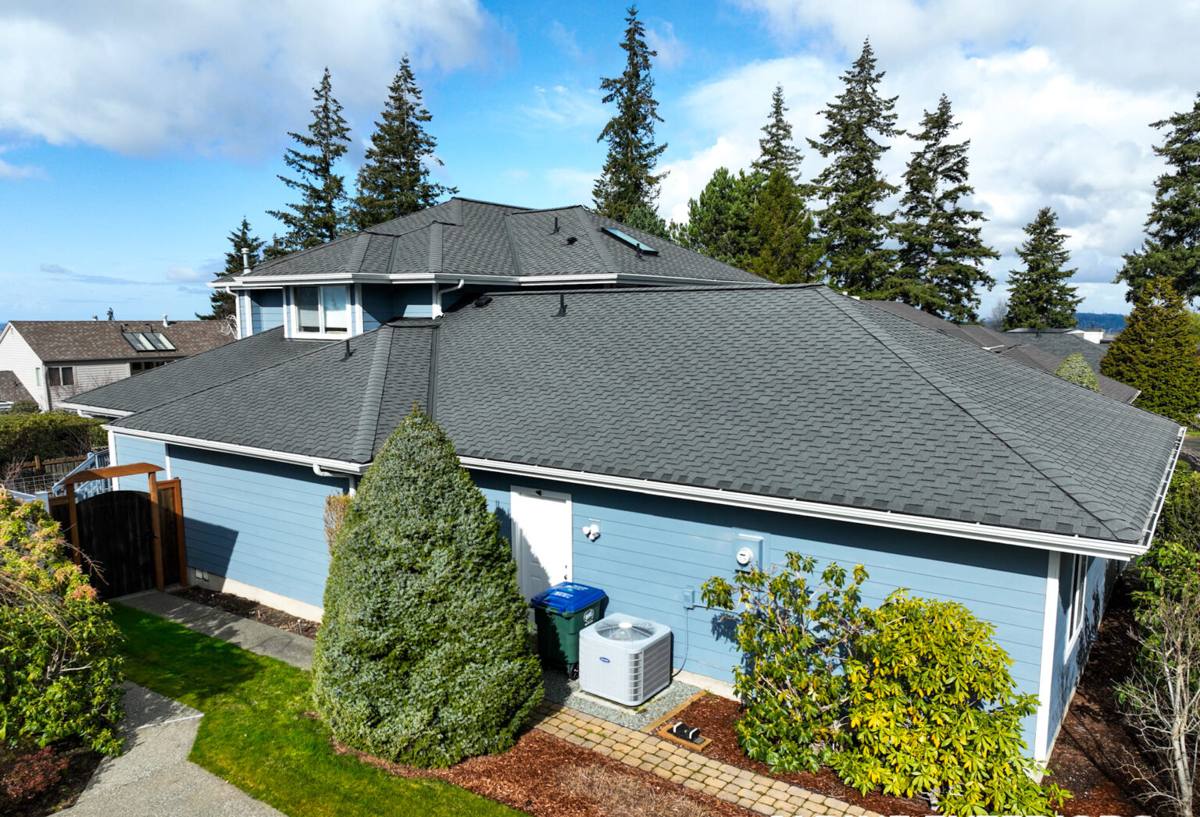
What Salt Air and Driving Rain Do to a Deck Over Time
Two separate problems show up on coastal decks, and it helps to understand them separately because they call for different fixes.
Salt Air and Corrosion
Airborne salt accelerates corrosion on any exposed metal — nails, screws, joist hangers, bolts, and railing hardware. Standard electro-galvanized fasteners that hold up fine well inland can start rusting within a couple of seasons this close to the water. Once a fastener starts to corrode, it loses holding strength long before it looks obviously bad, which is part of why deck hardware failures on coastal properties often come as a surprise.
Driving Rain and Moisture Intrusion
Wind off the bay pushes rain at angles a standard roof or wall detail doesn't have to deal with. On a deck, the places that matter most are the ledger board connection to the house, any built-in seating or planters, and the gaps between deck boards. Water that gets behind flashing at the ledger, or that sits in tight board gaps instead of draining, is what leads to rot in the framing underneath — usually invisible until the deck feels spongy underfoot.
Where Moss Season Actually Causes Problems
Whatcom County's wet, mild winters and shoulder seasons give moss and algae months to establish themselves on any deck surface that doesn't dry out quickly. This matters for two reasons beyond appearance. First, moss and algae hold moisture against the decking material, which shortens the life of wood and can even affect the surface layer of some composites over many years. Second, a mossy deck surface gets slick and genuinely dangerous, especially on stairs and near entry points. Board spacing, surface texture, and how much sun and airflow a deck gets all factor into how bad this problem is for a given property.
Decking Material Comparison for a Birch Bay Property
There isn't one "correct" material for every deck — it depends on budget, how much maintenance the homeowner wants to do, and how exposed the deck is to wind and salt spray. Here's how the common options actually compare in this environment:
| Material | Salt Air Durability | Moss/Algae Resistance | Maintenance | Typical Lifespan |
|---|---|---|---|---|
| Pressure-treated wood | Good if fasteners and hardware are corrosion-rated | Needs regular cleaning and periodic sealing | Annual cleaning, re-seal every 1-3 years | 15-25 years with upkeep |
| Cedar | Naturally moisture-resistant, but grays and softens near salt spray without upkeep | Moderate — benefits from cleaning | Regular sealing/staining to hold color and resist moisture | 15-20 years with upkeep |
| Composite decking | Very good — doesn't rot or corrode | Better than wood but can still develop surface film in shaded, damp spots | Periodic washing, no sealing/staining | 25-30+ years |
| PVC/capped polymer decking | Excellent — fully sealed surface, no moisture absorption | Best of the group; smooth cap resists buildup | Occasional washing | 25-30+ years |
Composite and capped polymer boards tend to be the lower-maintenance choice for homes with direct water exposure, but well-built wood decks are still a solid, more affordable option when the framing, fasteners, and finish schedule are handled correctly and the homeowner is comfortable with periodic upkeep.
The Details That Actually Determine Whether a Deck Lasts
Most deck failures don't come from the decking boards themselves — they come from the substructure and connection points that never get seen once the project is finished.
Ledger Flashing
Where the deck attaches to the house is the single most important waterproofing detail on the whole structure. Correct flashing — installed so water sheds outward and never behind the house's siding or sheathing — is what keeps driving rain from working its way into the wall assembly over time. This is not a place to cut corners or reuse old flashing.
Fasteners and Hardware
For a property exposed to salt air, that means stainless steel or heavy hot-dip galvanized fasteners and joist hangers rated for coastal or ACQ-treated lumber use, not the standard-grade hardware that's fine on a build a few miles inland. It costs more up front and saves the homeowner from hardware failures down the road.
Framing and Footings
Footings need to be sized and set below frost depth per code, and framing lumber in ground contact or close to grade should be rated for that exposure. Proper joist spacing also affects how much the deck surface can flex over time, which matters for both wood and composite boards.
Board Gapping and Drainage
Correct spacing between boards lets water drain through instead of pooling, which reduces both rot risk in wood and the standing moisture that feeds moss and algae growth on any material.
Railings, Stairs, and Code Requirements
Washington's residential building code sets requirements for railing height, baluster spacing, and stair geometry, and Whatcom County enforces those through the permitting process. Beyond meeting code, railing posts need solid blocking and corrosion-resistant fasteners at their connection points — this is one of the highest-stress areas on a deck and one of the first places salt-air corrosion shows up if the wrong hardware gets used. Stair treads also deserve extra attention to surface texture in this climate, since they're the first thing to get slick when moss season sets in.
Our Deck Building Process
- On-site assessment — we look at sun exposure, wind direction, drainage, and how close the build site is to salt spray to inform material and hardware choices.
- Design and material selection — sizing, layout, and decking material chosen around how the homeowner will use the space and how much maintenance they want long-term.
- Permitting — we handle the Whatcom County permit application and inspections tied to the build.
- Footings and framing — footings set to code depth, framing built with coastal-rated lumber and connectors.
- Ledger flashing and waterproofing — done correctly the first time, since it's the hardest part to fix later.
- Decking, railings, and stairs — installed with corrosion-resistant fasteners and correct board spacing for drainage.
- Final walkthrough — we go over basic care so the deck holds up the way it's supposed to.
Keeping a Birch Bay Deck in Good Shape
A well-built deck still needs some regular attention in this climate. Homeowners who stay on top of a few basics get significantly more life out of their deck:
- Sweep or rinse the surface regularly, especially in shaded areas where moisture and moss build up fastest
- Check railing posts and stair connections once or twice a year for looseness, which can signal hardware corrosion
- Clear debris from between boards so water keeps draining instead of pooling
- For wood decks, keep to a sealing or staining schedule rather than waiting until it visibly needs it
- Watch the area where the deck meets the house for any soft spots, staining, or gaps in flashing
- Trim back vegetation that's shading the deck and keeping it damp longer than it needs to be
Why Local Experience in Birch Bay Matters
A crew that builds decks all over Whatcom County, including Birch Bay specifically, already knows which fastener grades hold up here, how ledger flashing needs to be handled for wind-driven rain off the bay, and which decking materials are worth the extra cost versus which ones are fine for a more sheltered lot. That's the difference between a deck that needs hardware replaced in five years and one that's still solid two decades out. It also means we're familiar with the Whatcom County permitting process and can move a project through it without unnecessary delays.
If you're planning a new deck or replacing one that's showing its age, we're happy to come take a look, talk through material options for your specific spot, and put together a straightforward estimate — no pressure, no sales script. Use the form below to get started.