 Blaine
 Windows in Nooksack Take a Different Kind of Beating
Nooksack sits inland along the river valley in Whatcom County, but that doesn't mean the weather goes easy on a home's windows. Between the marine-influenced air that moves through the county, long stretches of driving rain in the fall and winter, and a moss season that can run most of the year on shaded north- and west-facing walls, window frames and their surrounding wood trim take on more moisture exposure here than they would in a drier climate. Old aluminum-framed windows and original wood-sash windows from decades past were never built with this level of sustained dampness in mind, and it shows up as fogged glass, swollen sashes, and soft trim long before homeowners expect it.
A window replacement done right in this area isn't just about swapping out glass. It's about understanding how water moves around a window opening, how condensation forms on cold glass in a humid valley climate, and how to keep moss and mildew from getting a foothold on sills and casings. We've done this work across Whatcom County long enough to know which details matter here and which ones are just upsells.
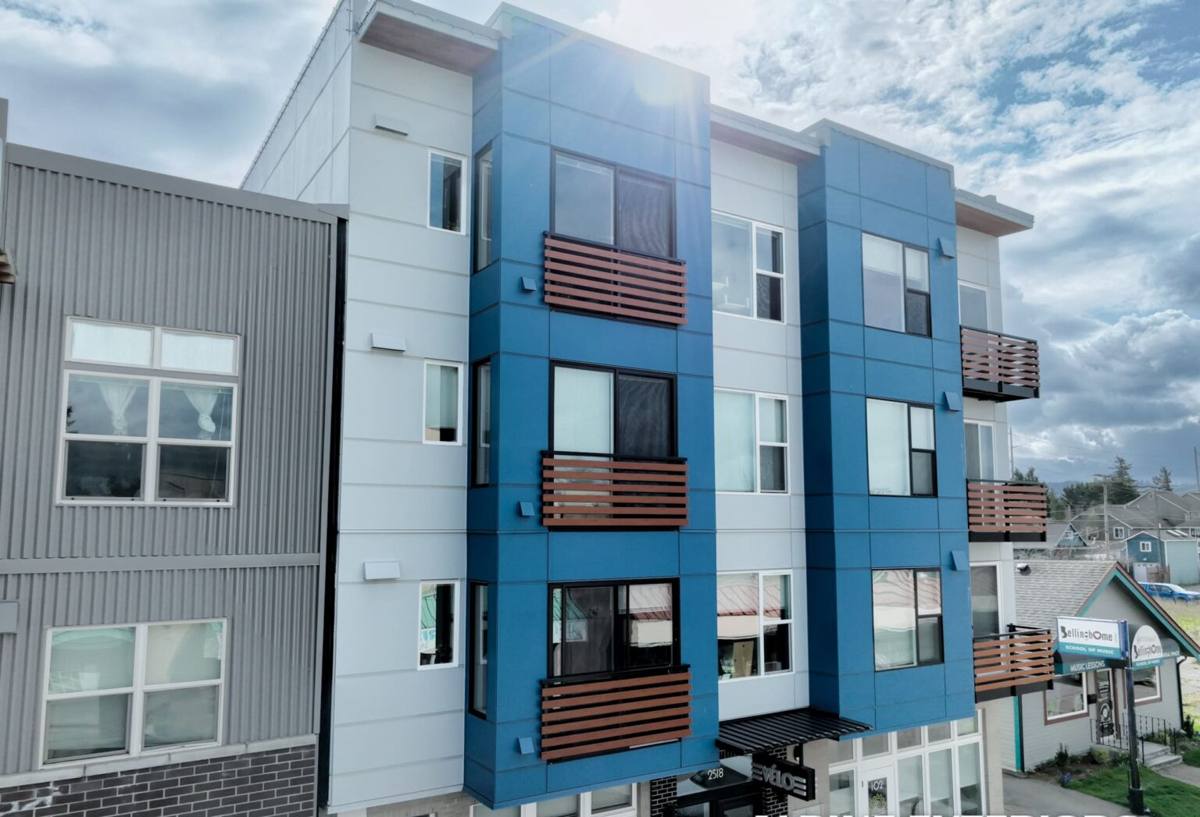
Signs a Nooksack Home Is Due for Window Replacement
Windows rarely fail all at once. They send warning signs for months or years before a homeowner decides to act. In this climate, watch for:
- Fogging or a visible haze trapped between panes on double- or triple-glazed units — the seal has failed and the insulating gas has escaped.
- Wood sashes or sills that feel soft, spongy, or show dark staining, especially on the shaded side of the house.
- Drafts you can feel near the frame even when the window is fully latched.
- Difficulty opening, closing, or locking a window — a sign the frame has swollen or shifted.
- Visible moss or persistent green growth on the sill, exterior trim, or in the corners of the frame.
- A noticeably higher heating bill compared to similar homes nearby, once other causes are ruled out.
Any one of these on its own might just need a repair. Several at once, especially on a home more than 20 years old, usually means the windows have reached the end of their useful life.
What a Correct Window Replacement Actually Involves
It Starts Below the Surface
The window itself is only part of the job. The bigger factor in how long a replacement lasts in a wet climate is what happens at the rough opening before the new unit ever goes in. That means checking the sheathing and framing around the old window for rot or water damage, correcting any flashing that was installed incorrectly the first time, and making sure the weather-resistive barrier laps correctly so water sheds outward instead of behind the siding.
Sealing and Flashing Done in the Right Order
Water intrusion around windows almost always traces back to flashing installed out of sequence, or caulk used as a substitute for proper flashing instead of a backup to it. We install sill pan flashing, side flashing, and head flashing in the correct shingle-lap order so each layer sheds water onto the one below it. Sealant goes where it belongs, not as a patch for a shortcut somewhere else.
Fit and Insulation
A new window that's slightly out of square or under-insulated at the gap will draft and eventually let moisture in around the frame. We shim for square and plumb, use low-expansion foam or backer rod and sealant appropriate to the gap size, and confirm operation before final trim goes back on.
Choosing the Right Window for This Climate
There isn't one universally "best" window — the right choice depends on the home's exposure, the homeowner's budget, and how much upkeep they want to do down the road. Here's how the common frame materials compare for a home dealing with regular rain and humidity:
| Frame Material | Moisture Behavior | Maintenance | Typical Lifespan |
|---|---|---|---|
| Vinyl | Won't rot; handles humidity well | Low — occasional cleaning | 20–30+ years |
| Fiberglass | Excellent; dimensionally stable in wet/dry cycles | Low | 30+ years |
| Aluminum | Prone to condensation without thermal breaks | Low, but cold-transfer issues persist | 20–30 years |
| Wood (clad exterior) | Good if cladding is intact; exposed wood is vulnerable | Higher — finish and joints need monitoring | 20–40 years, upkeep dependent |
For most Nooksack homes, we steer people toward vinyl or fiberglass for the exterior-facing elements because they shrug off the freeze-thaw and wet-dry cycling this area sees without needing repainting or re-caulking every few years. Wood-clad windows can still be the right call for a specific architectural look, but we're upfront that they come with more long-term maintenance in a damp climate — that's a trade-off homeowners should choose knowingly, not something we push and let them discover later.
Glass Package Matters as Much as the Frame
In a valley climate with cool, wet winters, a low-E coated, argon-filled double-pane unit is the practical standard — it cuts heat loss and reduces the interior condensation that shows up on cold glass during damp weeks. Triple-pane glass adds further insulation value and is worth discussing for north-facing rooms or homes with higher heating costs, though it comes at a higher price point.
How Our Process Works
- On-site assessment: We look at each window opening individually — not every window on a house needs the same scope of work.
- Honest scoping: If we find rot or water damage in the framing during the walk-through, we tell you before work starts, not after demo when you have no choice but to say yes.
- Written estimate: Clear pricing by window, with any framing repair called out separately so you know exactly what you're paying for and why.
- Removal and inspection: Old units come out carefully so we can inspect the rough opening before anything new goes in.
- Correct flashing and installation: Sill pan, flashing, insulation, and the new window set square and sealed properly.
- Trim and finish: Interior and exterior trim reinstalled or replaced to match, with final caulking and cleanup.
- Walkthrough: We check operation on every window with you before we call the job done.
What Window Replacement Costs — and Why It Varies
Every home is different, and window pricing depends on more than just the unit itself. Rather than throw out a number that won't match your situation, here's what actually moves the price:
| Factor | Why It Matters |
|---|---|
| Frame material and glass package | Fiberglass and triple-pane options cost more than standard vinyl double-pane |
| Window size and configuration | Large picture windows, bays, or custom shapes cost more than standard sizes |
| Condition of the rough opening | Rot or water damage found during removal adds framing repair time |
| Number of windows done at once | Bundling multiple windows in one visit typically reduces per-window labor cost |
| Access and floor level | Second-story or hard-to-reach windows take longer to stage and complete safely |
We give a firm, itemized quote after seeing the actual openings — not a phone estimate that changes once we're on site.
Why a Crew That Already Works in Nooksack Makes a Difference
A window installer who mostly works in drier parts of the state can still do competent work, but they're not necessarily thinking about how a valley's humidity and shade patterns affect a specific wall over the next decade. Crews who regularly work Whatcom County homes know which orientations collect moss fastest, which older subdivisions tend to have specific framing quirks, and how the local building department handles permitting for window replacement versus full window enlargements. That familiarity shows up in fewer callbacks and installations that hold up through repeated wet seasons rather than just looking good on install day.
Simple Upkeep That Extends the Life of New Windows
A properly installed window still benefits from basic seasonal attention, especially here:
- Rinse pollen, dirt, and moss spores off sills and tracks a couple times a year, particularly on shaded elevations.
- Check exterior caulking annually for cracking or gaps and have it touched up before winter rains arrive.
- Keep gutters clear so overflow doesn't run directly down onto window heads.
- Trim back vegetation and tree cover that keeps a window's exterior side damp and shaded longer than necessary.
- Operate each window a few times through the year so hardware and weatherstripping don't seize up from disuse.
If your windows in Nooksack are fogging, drafting, sticking, or just past their prime, we're glad to take a look and walk you through your options honestly. Use the form below to request a free, no-pressure estimate — we'll assess your specific windows and give you a clear, itemized picture of what the job actually involves before any work begins.