 Blaine
 California Creek's Window Challenge: Salt Air, Rain, and Moss
Homes in and around California Creek sit close enough to the water that the air itself works against your windows every day. Salt-laden moisture, wind-driven rain off the Strait, and the long gray stretch of moss season that Whatcom County is known for don't just make a house look tired — they attack the actual materials that keep windows sealed, straight, and watertight. A window that would last decades in a dry inland climate can start failing here in half that time if it wasn't built or installed with this specific exposure in mind.
This page is about one job, done right, for this one area: replacing windows on California Creek homes in a way that actually accounts for what the local climate does to them. Not a generic window pitch — the specifics that matter for houses this close to Blaine's marine air.
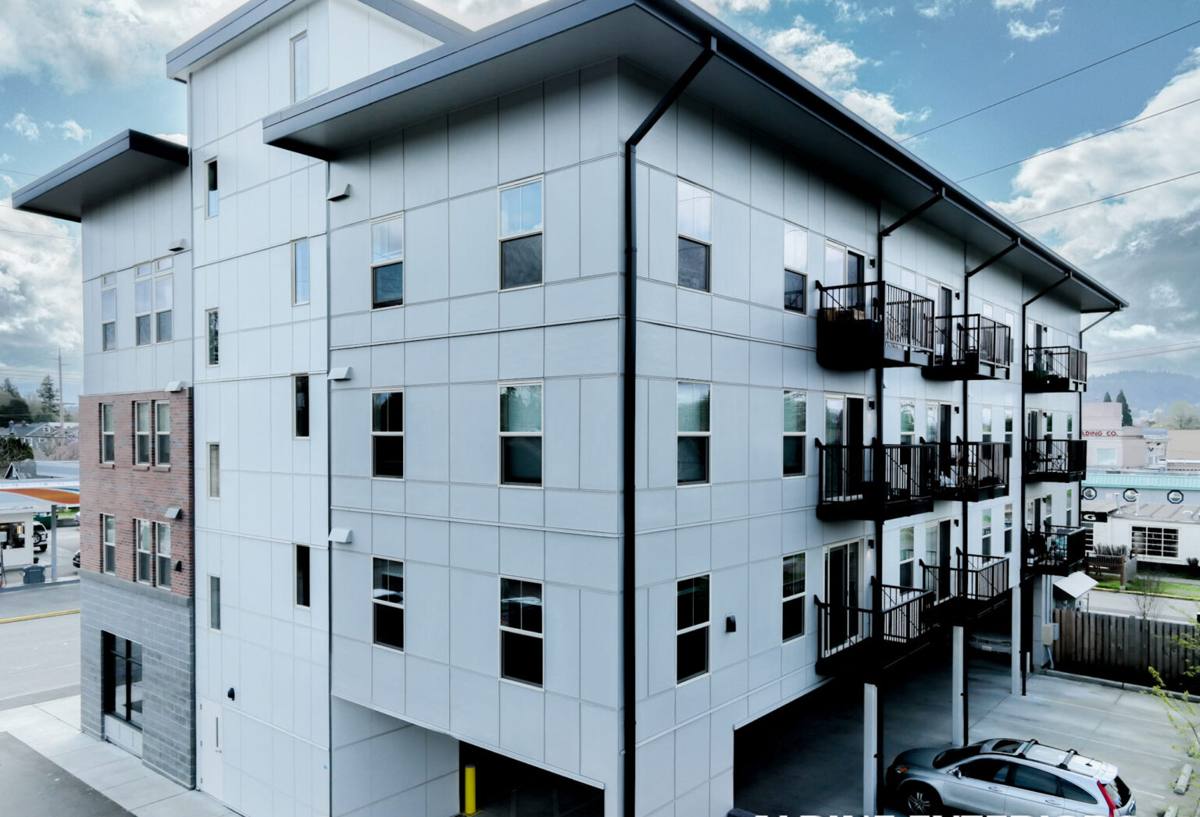
What Blaine's Marine Climate Does to Older Windows
Salt Air and Corrosion
Salt in the air settles on everything, including window hardware, aluminum components, and fasteners. Over years, that salt exposure corrodes cheap hinges, cranks, and locks, and it can pit or discolor aluminum frames and screens faster than most homeowners expect. Once hardware starts seizing up or a frame starts pitting, no amount of caulk or lubricant fixes it — the corrosion is already inside the material.
Driving Rain and Failed Seals
Blaine gets more than its share of wind-driven rain, and driving rain doesn't behave like a gentle drizzle. It gets pushed sideways and upward into gaps that would stay dry in calmer weather. Older windows with worn weatherstripping, failed sealant joints, or flashing that was never installed correctly let that water in — sometimes visibly, more often as slow moisture intrusion into the wall framing that you don't see until there's rot or staining.
Moss, Algae, and Trapped Moisture
Whatcom County's long moss season isn't just a roof and siding problem. Moss and algae take hold on window sills, exterior trim, and anywhere moisture sits without enough sun or airflow to dry out. On older wood-frame windows, that trapped moisture is what starts wood rot at the sill and lower corners — usually the first place a failing window shows real damage.
Signs It's Time to Replace, Not Repair
Not every window problem means a full replacement, but on California Creek homes we see the same pattern often enough to call it out clearly. If you're noticing more than one or two of these, it's worth having someone look at the whole window, not just the symptom:
- Fogging or a permanent haze between the panes (the seal on the insulated glass unit has failed)
- Soft, spongy, or visibly rotted wood at the sill or lower frame corners
- Windows that are hard to open, close, or lock — often a sign of frame warping or corroded hardware
- Visible gaps, drafts, or whistling during wind events, especially with rain from the water side of the house
- Moss or dark staining that keeps returning to the sill area no matter how often it's cleaned
- Paint that's bubbling or peeling specifically around the window opening, not the wider wall
- A noticeable jump in heating costs with no other explanation
What a Correct Window Replacement Job Actually Involves
Removing the Old Window and Inspecting the Frame
A proper replacement isn't just popping a new window into the old opening. Once the old unit is out, the rough opening and surrounding framing get inspected for water damage, rot, or soft wood — problems that are common on homes exposed to this much rain and moisture over the years. If there's damage, it needs to be addressed before the new window goes in, or you're sealing a problem inside the wall instead of fixing it.
Flashing and Water Management
This is the step that matters most in a climate like Blaine's and the one that gets skipped most often on cheap installs. Flashing tape and proper drainage paths need to direct any water that gets past the exterior finish back out, not into the wall cavity. For a home exposed to driving rain off the water, this isn't optional detailing — it's the difference between a window that holds up and one that causes hidden rot five years down the road.
Air Sealing and Insulation
Once the window is set, the gap between the frame and the rough opening needs to be sealed and insulated correctly — not overpacked with spray foam, which can bow the frame, and not left with gaps that let in drafts and moisture. Correct low-expansion foam or backer rod and sealant around the perimeter keeps the window performing the way it's rated to.
Choosing Window Materials for a Salt-Air, High-Moisture Climate
Every frame material has trade-offs. In a coastal, high-moisture climate like California Creek's, those trade-offs matter more than they would somewhere drier and inland. Here's how the common options generally hold up, as a matter of honest maintenance and moisture behavior — not brand claims:
| Frame Material | Salt Air / Moisture Behavior | Maintenance Needed | General Notes |
|---|---|---|---|
| Vinyl | Doesn't corrode; handles moisture well | Low — occasional cleaning | Good value; color and stiffness vary by grade |
| Fiberglass | Very stable in moisture and temperature swings | Low | Higher upfront cost, strong long-term performance |
| Wood-clad | Exterior clad shields the wood, but any breach exposes it to rot risk | Moderate to high — exposed wood needs monitoring | Best suited to sheltered exposures, not direct salt/rain exposure |
| Aluminum | Prone to pitting and corrosion in salt air over time | Moderate | We use it selectively; not our default choice for this exposure |
We don't push one brand or material on every house. We'll walk through what's on your home now, how exposed that particular wall or elevation is to wind and rain, and which option makes sense for your budget and how long you plan to stay in the house.
Our Process for California Creek Homeowners
We keep the process straightforward because most homeowners just want to know what's happening and when:
- On-site assessment. We look at the existing windows, the surrounding trim and framing, and note any moisture or rot issues before we quote anything.
- Honest recommendation. We tell you which windows genuinely need replacing now, which can wait, and why — no upselling a full-house job when only a few windows need it.
- Accurate measurement and ordering. Windows are ordered to fit your actual openings, not a generic size.
- Careful removal and inspection. Old units come out cleanly; any hidden damage gets flagged before we move forward.
- Proper flashing and installation. We install with water management as the priority, not an afterthought.
- Final check and cleanup. Every window gets operated, checked for square and proper seal, and the site is cleaned up before we consider the job done.
Why Hiring a Crew That Already Works This Neighborhood Matters
California Creek homes share a lot of the same exposure — wind direction, rain patterns, and the same long moss season that affects the whole area. A crew that's already worked on houses in this part of Blaine knows what to expect before they even start the assessment: where water tends to intrude, which elevations take the worst of the weather, and what kind of flashing detail actually holds up here versus what looks fine on paper but fails in three years.
That local familiarity also means accountability. We're not driving in from out of the area for a one-time job — if something needs a follow-up look after a hard winter storm, we're a short drive away, not a phone number that stops answering once the invoice is paid.
What Window Replacement Typically Costs in Blaine
Costs vary enough by project that we won't quote a number without seeing the house, but a few factors consistently drive the price up or down:
- Number of windows and their size — larger or custom-sized openings cost more per unit
- Frame material — vinyl is generally the most budget-friendly, fiberglass and wood-clad cost more
- Extent of existing damage — rot repair at the framing adds labor beyond the window itself
- Access and exposure — upper-story or hard-to-reach windows take more time and equipment
- Whether it's a full-frame or insert replacement — full-frame replacement costs more but is often the right call when there's water damage or the existing frame is compromised
For most single-family homes, a whole-house window replacement lands somewhere in the range of a few thousand dollars for a handful of windows to well into the mid five figures for a full-home, higher-end material replacement. We'll give you a real number once we've actually looked at your windows.
Maintaining Your New Windows After Installation
New windows still need basic upkeep to get their full lifespan out of them in this climate. Rinse sills and tracks periodically to keep salt residue and moss spores from building up, especially after long dry stretches followed by rain. Keep an eye on caulking and sealant lines once a year — UV and moisture cycling will eventually break down even good sealant, and catching it early is a five-minute fix instead of a repair. If you notice condensation between panes at any point, even years later, that's a seal failure worth addressing before it turns into a bigger issue.
If your California Creek home is showing any of the signs above, or you just want an honest look at what shape your windows are really in, we're happy to come take a look. The estimate is free, there's no pressure to move forward, and you'll get a straight answer about what actually needs doing.