 Blaine
 Metal Roofing Built for the Dakota Creek Stretch of Blaine
Homes along Dakota Creek sit close enough to the Salish Sea that the air itself works against a roof every single day. Salt-laden wind off Drayton Harbor and Semiahmoo Bay, driving rain that comes in sideways more often than straight down, and a moss season that can run eight or nine months out of the year — that combination is hard on any roofing material, but it's especially unforgiving on metal roofing installed without the right details. A metal roof done correctly in this part of Whatcom County can outlast two or three asphalt roofs. A metal roof done with generic, one-size-fits-all methods can show corrosion, streaking, and leaks at the fasteners and flashing well before it should.
This page is about what a metal roof needs to actually hold up on a Dakota Creek property — the material choices, the installation details, and the maintenance habits that matter here specifically.
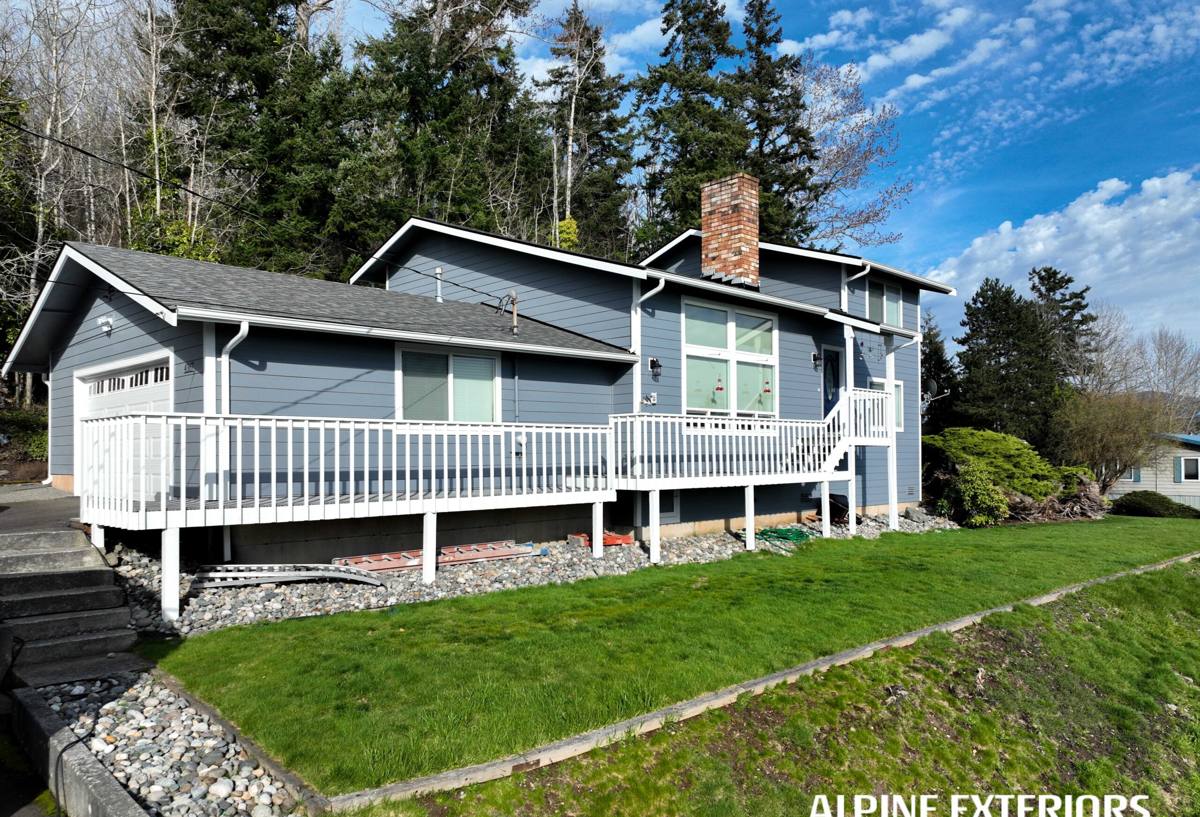
What Blaine's Salt Air and Rain Actually Do to a Roof
Coastal exposure doesn't ruin a metal roof overnight. It works slowly, in a few predictable ways:
- Fastener corrosion: Exposed screws and washers are the first thing salt air attacks. Once the coating on a fastener head breaks down, rust bleeds down the panel and the seal underneath starts to fail.
- Galvanic reaction: Mixing incompatible metals — the wrong flashing against the wrong panel, or the wrong fastener in the wrong substrate — sets up a slow electrochemical reaction that eats away at one of the two metals. It's invisible until it isn't.
- Wind-driven water intrusion: Rain that comes in at an angle finds its way under laps, around penetrations, and behind trim that would be fine in a calmer climate. Blaine gets more of this sideways rain than most of Puget Sound.
- Moss and algae buildup: Shaded, north-facing slopes and roofs under tree cover stay damp for long stretches. Moss doesn't take hold on bare metal the way it does on asphalt or wood shake, but it will colonize seams, fastener heads, debris pockets, and any spot where water sits instead of running off.
None of these are reasons to avoid metal roofing — if anything, metal handles this climate better than most materials when it's specified and installed correctly. But it means the details can't be treated as optional.
Choosing the Right Metal System for This Corner of Whatcom County
Panel Profile: Standing Seam vs. Exposed Fastener
Standing seam panels use concealed clips instead of exposed screws through the panel face, which removes the single most common failure point in coastal metal roofing — the fastener. Exposed-fastener panels cost less up front and are a reasonable option on outbuildings, shops, or shorter-term ownership situations, but every screw is a future maintenance point that has to be checked and eventually replaced. For a primary residence near open water, we generally steer homeowners toward standing seam unless budget rules it out.
Material: Aluminum vs. Steel
Aluminum doesn't rust — it can oxidize on the surface, but it won't develop the red corrosion that steel can once a coating is compromised. That makes it a strong choice directly along the water. Galvalume or painted steel panels are still a solid, more affordable option, but they lean more heavily on an intact factory finish and correctly matched, non-reactive fasteners and flashing to perform well in salt exposure over the long run.
| Option | Best For | Trade-Off |
|---|---|---|
| Standing seam, aluminum | Homes with direct or near-direct water exposure | Higher material and labor cost |
| Standing seam, steel | Homes set back from the water, good sun exposure | Slightly more corrosion risk at cut edges over decades |
| Exposed fastener, steel | Shops, outbuildings, budget-driven projects | Fasteners need periodic inspection and replacement |
| Metal shingle/shake panels | Homes wanting a traditional look with metal durability | More seams and details than standing seam, more install skill required |
What a Correct Metal Roof Installation Actually Involves
Underlayment and Deck Prep
In a climate this wet, a self-adhered, high-temp underlayment at eaves, valleys, and penetrations isn't a luxury upgrade — it's the backup plan for the day wind-driven rain gets past the panel itself. The roof deck also gets inspected and repaired before anything goes down; metal panels will telegraph an uneven or soft deck for the life of the roof.
Flashing and Penetration Details
Most metal roof failures near the coast happen at the transitions — valleys, wall intersections, chimneys, vent pipes — not in the open field of the panel. Flashing has to be formed to shed water in the direction the wind actually pushes rain here, not just laid to a generic spec.
Fastener and Metal Compatibility
We match fasteners and flashing metals to the panel material to avoid galvanic corrosion, and we use fastener coatings rated for coastal/marine exposure rather than standard-grade hardware. It costs a little more up front and saves a callback five years down the road.
Ventilation
Trapped moisture under a metal roof causes problems from the inside — condensation, deck rot, and reduced panel lifespan. Proper ridge and intake ventilation matters just as much as what's happening on the exterior surface.
Moss, Algae, and Long-Term Maintenance in a Wet Climate
A well-installed metal roof sheds moss far better than shingles or shake, because there's no rough surface for spores to grip. But debris still collects in valleys, behind chimneys, and in gutters, and wherever debris sits, moisture sits with it. Two habits keep a metal roof performing the way it's supposed to:
- Clear debris from valleys and gutter lines at least once or twice a year, more often under overhanging trees.
- Have fasteners, sealant points, and flashing checked periodically rather than waiting for a visible leak — by the time water shows up inside, it's usually been getting in for a while.
Our Process for Dakota Creek Metal Roofing Projects
- On-site assessment: We look at exposure direction, tree cover, existing deck condition, and how water currently moves off the roof and through the gutters.
- System recommendation: We walk through panel profile and material options against your budget and how exposed the home actually is, not a default upsell.
- Tear-off and deck repair: Old roofing comes off, the deck gets inspected, and any soft or damaged sections are replaced before underlayment goes down.
- Installation: Panels, flashing, and fasteners go in matched to spec, with extra attention at valleys, penetrations, and any wall-to-roof transitions.
- Final walkthrough: We go over the finished roof with you, including what maintenance to expect and how often to check on it given your specific site.
Cost Factors for Metal Roofing Near Dakota Creek
Every roof is different, but a few things consistently move the price up or down in this area:
| Factor | Why It Matters Here |
|---|---|
| Roof complexity (valleys, dormers, penetrations) | More transitions mean more flashing labor and more potential leak points to detail correctly |
| Panel profile choice | Standing seam runs higher than exposed fastener but reduces long-term maintenance |
| Material (aluminum vs. steel) | Aluminum costs more but resists salt-air corrosion better on exposed sites |
| Deck condition | Rot or soft sheathing found during tear-off adds repair cost but is far cheaper to fix now than after panels are on |
| Access and tree cover | Steep or heavily shaded roofs take longer to install safely and may need extra moss/debris planning |
Metal roofing costs more up front than asphalt shingles, generally by a meaningful margin, but the trade-off is a much longer service life and far less exposure to the wind and moisture problems that shorten a shingle roof's life this close to the water.
Why Hiring a Crew That Already Works Dakota Creek Matters
A roofing crew that mostly works inland has less day-to-day reason to think about salt exposure, wind direction off the water, or how long moss season actually runs here. Working Blaine and the surrounding Whatcom County coastline regularly means those details aren't an afterthought — they're just part of how a roof gets specified and installed. Before hiring anyone for a metal roofing project near the water, it's worth asking:
- What fastener and flashing metals will be used, and are they matched to avoid corrosion?
- Is standing seam or exposed fastener being recommended, and why for this specific site?
- What underlayment is going down at eaves, valleys, and penetrations?
- How will ventilation be handled?
- Can they speak to other coastal or waterfront-adjacent roofs they've done in this immediate area?
A straight answer to all five is a good sign. Vague answers on fasteners or flashing are worth pausing over.
If you're weighing metal roofing for a home near Dakota Creek, we're glad to take a look and give you a straightforward read on what your roof actually needs. The estimate is free, there's no pressure attached to it, and you can request one using the form below.