 Blaine
 Siding Built for the Specific Weather Sumas Homes Face
Sumas sits in a corner of Whatcom County that takes a steady beating from Pacific Northwest weather: marine air pushes in off the Strait of Georgia and Boundary Bay carrying a fine dusting of salt, storm systems roll through with driving, wind-blown rain rather than gentle showers, and the shaded, damp stretches from fall through spring give moss and algae months at a time to get established on anything porous. Siding here isn't just cosmetic. It's the one layer standing between that weather and the framing, insulation, and interior of the house. Get it wrong and a homeowner is looking at trapped moisture, soft trim, and premature repainting long before the siding should need attention.
This page is about one thing specifically: installing James Hardie fiber cement siding on Sumas homes, done correctly, for this climate. We don't install anything else, and we'll explain why as we go.
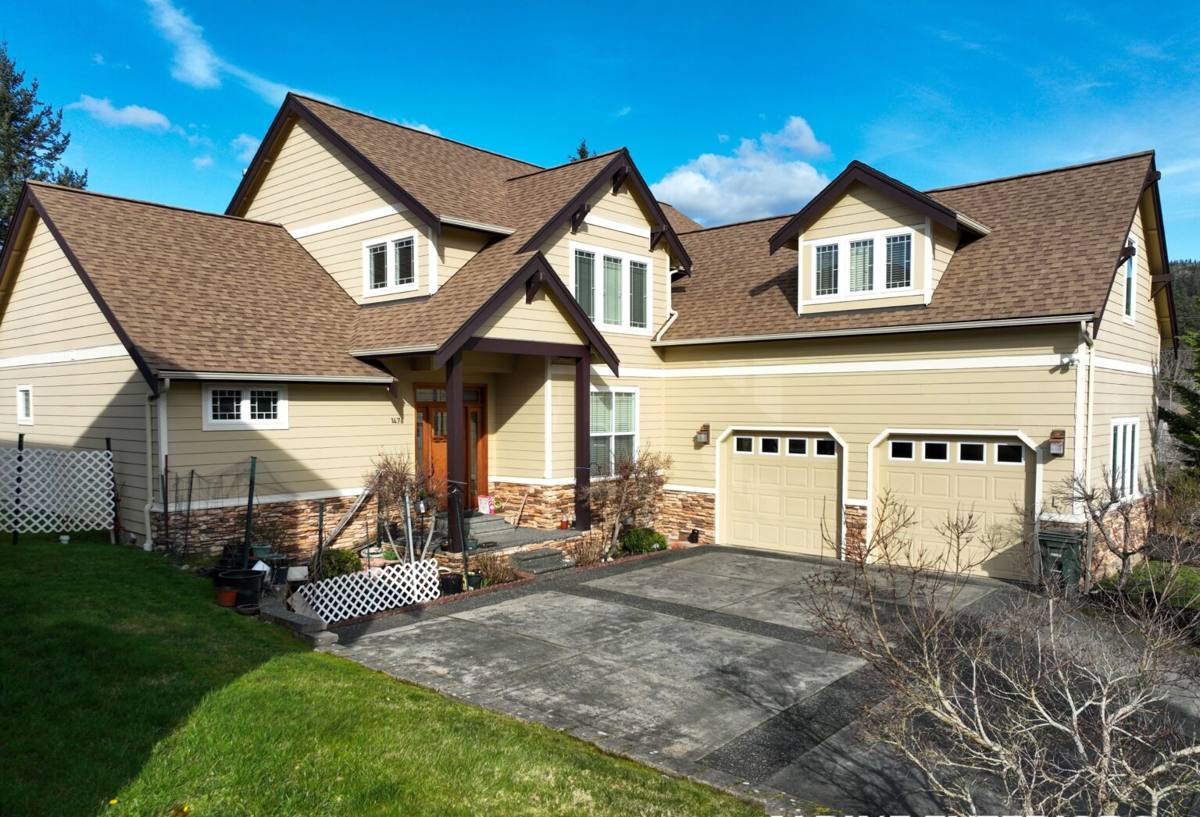
What Driving Rain, Salt Air, and Moss Actually Do to Siding
Driving rain
Wind-blown rain doesn't just wet the surface of a wall — it drives water sideways and upward under laps, around trim, and into any gap that isn't properly flashed or caulked. Siding materials that swell, warp, or delaminate when saturated repeatedly will eventually let water past the surface, even if the surface itself looks fine.
Salt-tinged marine air
Salt in the air accelerates corrosion of exposed fasteners and metal flashing, and it degrades paint film faster than inland air does. Any siding product depends on its fasteners and its finish holding up — weaken either one and the whole system's service life shortens.
A long moss season
Shaded north walls, tree-lined lots, and the region's extended wet season give algae and moss a real foothold on porous or textured surfaces. Beyond looking bad, sustained moss growth holds moisture against the siding surface for weeks at a time, which is exactly the condition that causes rot in wood-based products and finish failure in painted ones.
None of this is exotic — it's just what Whatcom County weather does, year after year, to a building envelope. The siding material and the installation both have to be chosen with that reality in mind, not just for how a sample board looks in a showroom.
Why We Only Install James Hardie on Sumas Homes
We don't install LP SmartSide, vinyl, Cemplank, Allura, primed spruce, or cedar. That's a deliberate standard, not a lack of options. James Hardie fiber cement is engineered from portland cement, sand, and cellulose fiber — it doesn't have an engineered-wood core that can swell or delaminate if water gets behind it, and it isn't a thin extruded plastic that can warp, crack, or fade in UV and salt air the way vinyl can over time. It's also non-combustible, which matters more every year as wildfire smoke and ember exposure become a bigger part of Pacific Northwest summers.
James Hardie also engineers its products by climate zone. Homes in this region fall into Hardie's HZ5 zone, which accounts for higher moisture exposure and freeze-thaw cycling — different from the HZ10 formulation used in hot, dry southern climates. That distinction matters: siding engineered for a desert climate and siding engineered for a wet coastal one are not interchangeable, and installing the wrong regional product is a mistake we simply don't make.
The finish matters as much as the board
Most of what fails on a house isn't the substrate — it's the paint. James Hardie's ColorPlus Technology is a factory-baked, multi-coat finish applied under controlled conditions, which gives more consistent, longer-lasting color than field-applied paint and comes with its own finish warranty. In a climate that's hard on paint film, that's not a minor feature — it's the difference between repainting a house at year eight versus not needing to touch it for decades.
What a Correct James Hardie Installation Actually Involves
Fiber cement siding performs exactly as well as its installation. A rushed or generic install can undercut even the best product. On every Sumas project we handle, correct installation means:
- Proper water-resistive barrier and flashing at every window, door, and penetration before a single board goes up
- Correct fastener type, spacing, and depth — Hardie is unforgiving of overdriven or under-driven nails, and the wrong fastener in salt air corrodes faster
- Manufacturer-specified gaps and clearances at trim, corners, and the foundation line to allow for drainage and prevent wicking
- Caulking only where Hardie's install guide calls for it — over-caulking traps moisture instead of shedding it
- Butt joints and laps installed to shed driving rain, not just vertical rainfall
- Field-touch-up paint matched to ColorPlus finish only where the manufacturer allows it, to preserve the warranty
Any one of these done wrong doesn't just look sloppy — it creates the exact conditions (trapped water, exposed fasteners, wicking at the base) that this climate will find and exploit within a few wet seasons.
How the Job Works, Start to Finish
1. On-site assessment
We walk the exterior, check the existing siding and sheathing for hidden moisture damage, and look at sun/shade exposure, drainage, and wall orientation relative to prevailing wind and rain.
2. Product and color selection
We go over the relevant HardiePlank, HardieShingle, or HardiePanel profiles and ColorPlus color options for the home, factoring in HOA or neighborhood norms where they apply.
3. Tear-off and sheathing check
Old siding comes off, sheathing is inspected and repaired as needed, and a new water-resistive barrier goes on correctly lapped and taped before anything else is installed.
4. Installation to spec
Flashing, fastening, gapping, and caulking are done to James Hardie's published installation requirements — not a generic siding install, but the specific process this product requires to perform and to keep its warranty valid.
5. Final walkthrough
We review the finished work with the homeowner, cover basic care, and provide the documentation for both the product and installation warranty.
What a Sumas James Hardie Project Typically Involves Cost-Wise
Every home is different, but the factors that move the number are consistent. This is meant as a general guide, not a quote.
| Cost Factor | Why It Matters |
|---|---|
| Home size and wall complexity | More corners, dormers, and trim detail mean more cutting, flashing, and labor time |
| Existing siding removal | Tear-off and disposal of old material adds time, especially if hidden damage is found |
| Sheathing repairs | Rot or moisture damage found underneath old siding has to be fixed before new siding goes on |
| Product line chosen | HardiePlank, HardieShingle, and HardiePanel differ in material and labor cost |
| Color and trim detail | ColorPlus finishes and custom trim packages affect material pricing |
| Access and site conditions | Steep lots, tight setbacks, or multi-story walls affect scaffolding and labor time |
We give a firm, itemized number after seeing the house in person — not a rough phone estimate that changes once the crew shows up.
Why a Crew That Already Works in Sumas Matters
A crew that works this specific part of Whatcom County regularly knows what to look for before it becomes a problem: which wall orientations take the worst of the driving rain, where moss tends to establish first, how far salt-tinged air actually travels inland into this pocket of the county, and which older homes in the area are more likely to have moisture issues hiding under the existing siding. That's not something a crew coming from outside the region picks up on a single job. It shows up in fewer surprises during tear-off, better flashing decisions around existing window and door details, and a finished install that's set up to handle the next twenty or thirty wet seasons, not just look good on installation day.
Keeping James Hardie Siding Looking Right in This Climate
Fiber cement with a factory finish is low-maintenance, not no-maintenance. A short annual routine keeps it performing:
- Rinse the exterior once or twice a year to knock off salt residue and slow moss/algae buildup, especially on shaded walls
- Check caulked joints at trim and penetrations annually and re-caulk if cracked or pulled away
- Keep gutters clear so overflow isn't running down the siding face
- Trim back vegetation and tree cover that keeps a wall shaded and damp longer than necessary
- Address any paint chip or impact damage promptly with proper touch-up product to protect the exposed edge
If you're planning a siding project in Sumas and want it done with a product built for this exact climate, installed to the standard it requires, we're happy to take a look at the house and put together a straightforward, no-pressure estimate. Use the form below to get started.