 Blaine
 Building a Deck That Actually Holds Up in Sumas
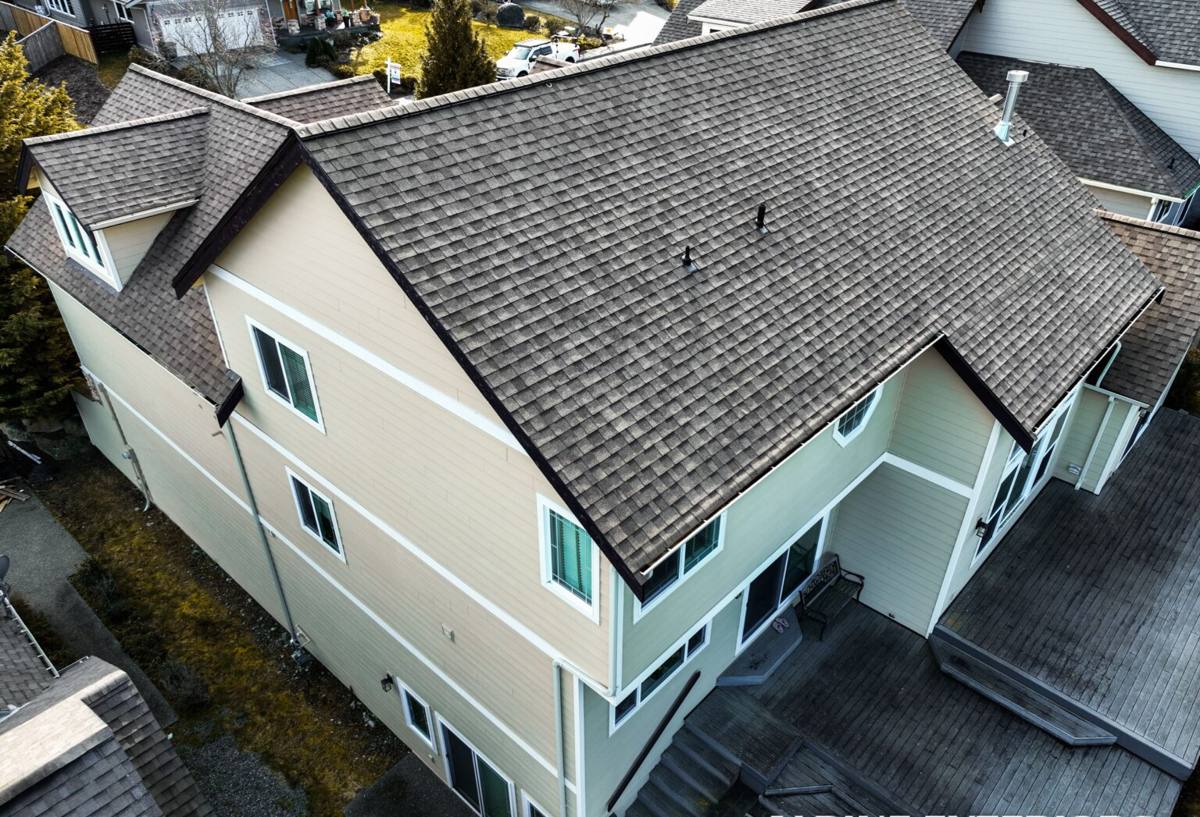
Sumas sits in a corner of Whatcom County where the weather doesn't do anything halfway. Winters bring long stretches of steady rain, the valley holds fog and dampness longer than the surrounding hills, and moss finds a foothold on almost any horizontal wood surface that isn't actively shedding water. A deck built here isn't just outdoor furniture — it's a structure that has to manage water for eight or nine months of the year without rotting, warping, or growing a slick green coat that turns dangerous in winter. When we build or repair a custom deck for a Sumas homeowner, every decision — decking material, fastener type, framing detail, footing depth — gets made with that reality in mind, not with a catalog spec sheet built for a drier climate.
What Local Conditions Demand From a Deck
A deck in Sumas deals with a different set of stresses than one built somewhere dry and sunny. The combination of persistent moisture, seasonal freeze-thaw cycles, and shaded or partially shaded yards common in this part of Whatcom County means a few things have to be non-negotiable:
- Water has to leave the deck surface and the framing below it quickly — standing water is where rot and moss both start.
- Fasteners and connectors need real corrosion resistance, not just a coating that looks fine on day one.
- Footings need to sit below frost depth and bear on solid, undisturbed soil — heaving footings are a slow, expensive problem to fix later.
- Decking material has to tolerate being wet more often than it's dry, without cupping, splitting, or turning slick.
None of this is exotic — it's just what building correctly looks like when the climate doesn't cooperate. The mistakes we get called out to fix are almost always shortcuts taken against these basics: undersized gaps between boards, missing ledger flashing, joists that were never protected, or footings poured too shallow.
The Moss and Rot Cycle
Moss on a deck isn't just cosmetic. It holds moisture against the wood surface, blocks airflow, and creates a slip hazard that gets worse every wet month it's left alone. Once moss establishes itself in board seams or on the north side of a deck that doesn't get much sun, it accelerates the exact rot process a well-built deck is supposed to resist. Deck design that accounts for sun exposure, airflow under the structure, and proper board spacing goes a long way toward keeping moss from taking hold in the first place — which is a lot cheaper than fighting it every spring with a pressure washer.
Decking Material Comparison for a Whatcom County Climate
There's no single "best" decking material — there's the right material for how a family uses the space, how much maintenance they're willing to do, and what budget they're working with. Here's how the common options actually perform in a wet, mossy, freeze-thaw climate like ours.
| Material | Moisture Performance | Maintenance | Typical Lifespan Here |
|---|---|---|---|
| Pressure-treated lumber | Good if sealed and maintained; prone to moss and splitting if neglected | Annual cleaning, resealing every 1-2 years | 10-15 years with upkeep |
| Cedar | Naturally rot- and insect-resistant; still needs sealing to hold color and shed water well | Cleaning and refinishing every 1-2 years | 15-20 years with upkeep |
| Composite decking | Excellent — doesn't absorb water, won't rot or splinter | Occasional washing; no sealing or staining | 25+ years |
| PVC decking | Best moisture performance of any decking material | Low — occasional washing | 25-30+ years |
Composite and PVC cost more up front, but in a climate that keeps decks wet as much as this one does, the lower long-term maintenance and better moss resistance usually make the math work out for homeowners planning to stay in the house a while. Cedar and pressure-treated lumber are still solid, honest choices for homeowners who like the look of real wood and are willing to keep up with sealing — we're upfront about that tradeoff either way.
What a Correctly Built Deck Involves
The visible decking is maybe a third of what makes a deck last. The parts that actually determine whether it's still solid in fifteen years are mostly hidden.
Ledger Board and Flashing
Where the deck attaches to the house is the single most common failure point on decks we're asked to repair. Without proper flashing — metal flashing that directs water away from the ledger board and the house's wall assembly — water works its way behind the siding and into the framing over time, often invisibly until there's real damage. Correct ledger flashing is not optional in a climate like ours.
Joist Protection
Joist tape or a comparable moisture barrier over the top of every joist keeps water from pooling in fastener holes and wicking into the wood grain. It's a small material cost that meaningfully extends the life of the framing underneath a deck that's rained on most of the year.
Board Spacing and Airflow
Gaps between deck boards need to be wide enough to shed water and debris, and the framing underneath needs enough clearance and ventilation that the structure can actually dry out between storms. A deck built tight to the ground with no airflow stays damp far longer than one with proper clearance — and damp wood is where rot and moss both start.
Footings and Fasteners
Footings need to be sized and set below frost depth on undisturbed soil, and every fastener and structural connector should be rated for exterior, ground-contact, or coastal-grade use depending on exposure. Mixing in interior-grade hardware to save a few dollars is one of the more common shortcuts we see, and it's one of the more expensive ones to fix once it starts corroding.
Our Process for a Sumas Deck Project
- On-site assessment — we look at sun exposure, drainage patterns, soil, and how the space connects to the house before recommending anything.
- Design and material selection — we walk through material tradeoffs honestly, based on your budget, maintenance preference, and how the deck will be used.
- Permitting — most decks over a certain height or attached to the house require a permit through Whatcom County or the applicable local jurisdiction; we handle that process so it's not on you.
- Build — footings, framing, flashing, and decking installed in sequence, with each stage checked before moving to the next.
- Final walkthrough — we go over the finished deck with you, including what maintenance (if any) the material you chose will need.
Keeping a Deck Healthy Once It's Built
Even a well-built deck needs some seasonal attention in this climate. A short annual routine catches most problems while they're still cheap to fix:
- Sweep debris out of board gaps before it composts in place and holds moisture.
- Rinse off moss and algae early in the season, before it spreads across the surface.
- Check under the deck once a year for standing water or soft framing.
- Inspect the ledger board area at the house for any sign of staining or gaps in flashing.
- Reseal wood decking on schedule — don't wait until it's visibly graying or cupping.
- Tighten or replace any fasteners showing rust before they fail.
Why It Matters That We Already Work in Sumas
A crew that builds decks all over the country brings general knowledge. A crew that works Whatcom County knows which details actually matter for this specific climate — how much rain a deck here really sees, what freeze-thaw does to footings set too shallow, how fast moss takes hold on a shaded north-facing deck near the border. That local experience shows up in small decisions throughout a project: flashing details, fastener grade, board spacing, drainage slope — the things that don't show up on a glossy brochure but decide whether a deck is still solid in fifteen years or needs major repair in five.
What Affects the Cost of a Custom Deck
| Factor | Why It Matters |
|---|---|
| Size and footprint | More square footage means more framing, footings, and decking material |
| Decking material | Composite and PVC cost more upfront than wood, less over time in maintenance |
| Height and structure | Elevated decks need more substantial framing, railing, and possibly stairs |
| Site conditions | Sloped yards, soil type, and drainage patterns affect footing and framing complexity |
| Permitting requirements | Larger or attached decks typically require permitting and inspection |
| Features | Built-in benches, railings, lighting, or a roof/cover add cost and complexity |
Every yard and every budget is a little different, which is why we price projects after an actual site visit rather than off a generic per-square-foot number.
If you're planning a new deck or dealing with an older one that's showing its age in Sumas's wet climate, we're happy to come take a look. Reach out for a free, no-pressure estimate using the form below.