 Blaine
 Window Replacement Built for Point Roberts' Marine Exposure
Point Roberts sits on its own peninsula, surrounded by water on three sides and cut off from the rest of Washington by land — you can't drive here without crossing into Canada first. That geography shapes everything about how a home ages here, and windows take the brunt of it. Between the salt-laden air coming off the water, wind-driven rain that hits from multiple directions depending on the season, and a moss season that runs longer than most inland parts of Whatcom County, window frames and seals here work harder than they would ten or twenty miles inland.
We replace windows on Point Roberts homes regularly, and the job looks a little different than a standard replacement in a sheltered subdivision. This page covers what actually matters for a window replacement in this specific area — not a generic rundown of window types.
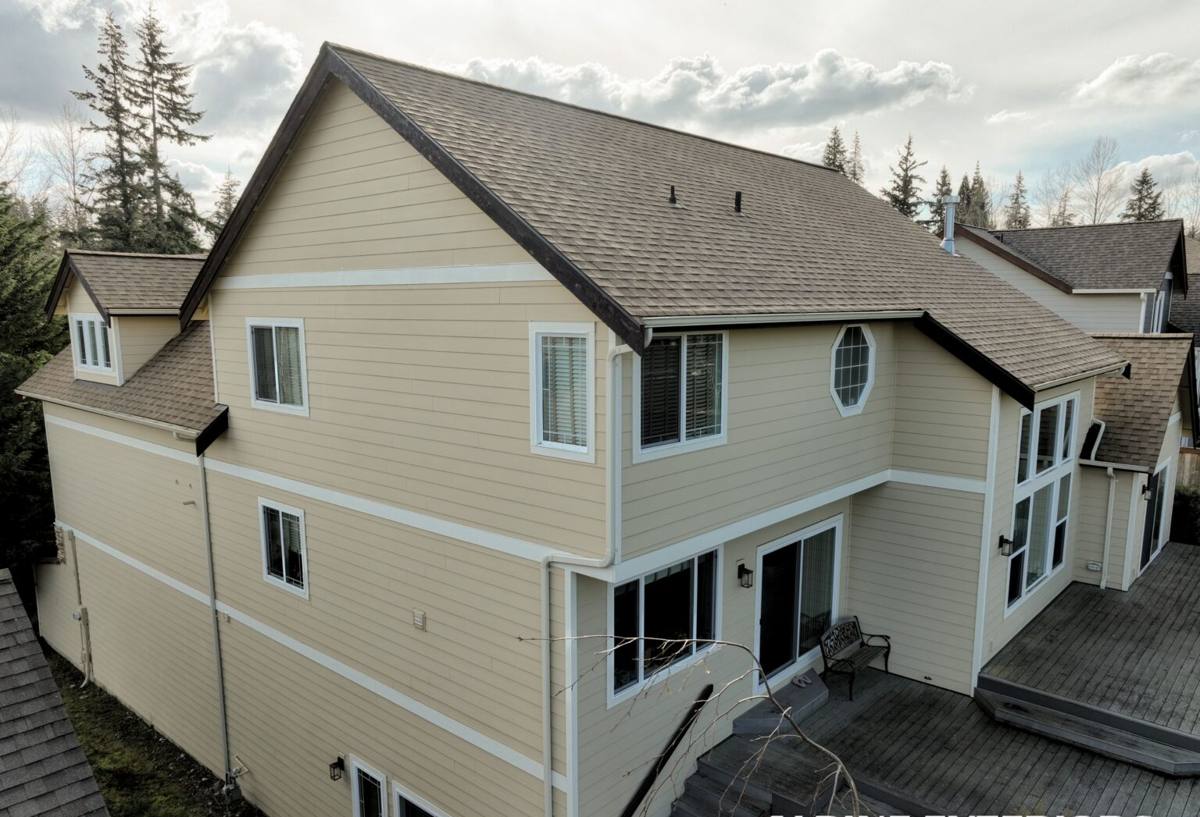
What the Local Climate Actually Does to Windows
Salt Air and Corrosion
Salt in the air doesn't just sit on the surface — it works into hardware, fasteners, and any exposed metal components over time. Window balances, cranks, locks, and even some frame reinforcement can corrode faster here than they would in a non-coastal location. This is one of the biggest reasons frame material and hardware quality matter more in Point Roberts than they might elsewhere.
Driving Rain and Wind Loading
Because the peninsula is exposed on multiple sides, wind-driven rain can push water into gaps and seals that would stay dry on a more sheltered wall. A window that's installed with marginal flashing might not leak in year one, but it usually will eventually — and once water gets behind a window frame, the damage is often hidden inside the wall assembly until it's significant.
Extended Moss and Mildew Season
The same cool, damp conditions that keep moss thriving on roofs and siding here also create an environment where mildew and mold can take hold around window sills and frames, especially on the north- and west-facing sides of a home that get less direct sun to dry things out. Older wood sills or poorly sealed vinyl frames are especially vulnerable.
Signs Your Windows Are Due for Replacement
Not every draft or foggy pane means a full replacement, but these are the signals we take seriously on a Point Roberts inspection:
- Fogging or a permanent haze between panes — a sign the seal has failed and the gas fill is gone
- Soft or discolored wood at the sill or lower frame corners
- Visible corrosion on cranks, locks, or hinges
- Persistent condensation on the inside of the glass even in normal weather
- Drafts you can feel with a hand near the frame on a windy day
- Difficulty opening, closing, or latching the window
- Paint or finish that's peeling specifically around the window opening, not the rest of the wall
- A noticeable rise in heating costs with no other explanation
Choosing a Frame Material for a Marine Environment
Every frame material has trade-offs. In a location like Point Roberts, corrosion resistance and moisture tolerance carry more weight than they might in a drier, inland climate.
| Material | Salt/Moisture Resistance | Maintenance | Typical Lifespan |
|---|---|---|---|
| Vinyl | Very good — won't corrode or rot | Low; occasional cleaning | 20–30 years |
| Fiberglass | Excellent — dimensionally stable, resists moisture and salt | Low | 30+ years |
| Aluminum | Fair — prone to corrosion and pitting near salt air unless well-coated | Moderate; coatings need upkeep | 20–25 years |
| Wood / Wood-clad | Poor to fair without diligent upkeep — prone to rot in damp, mossy conditions | High; regular sealing and paint | Varies widely with maintenance |
We're honest with homeowners here: bare wood windows and unclad wood sills are a tough sell on this peninsula unless someone is committed to consistent upkeep. It's not that wood windows are a bad product — it's that the maintenance burden in this specific climate is higher than most people want to take on, and the moisture-related failures we see in this area tend to start with wood components. Vinyl and fiberglass hold up with far less attention.
Glass and Glazing
For this area, we recommend dual-pane glass with a low-E coating and argon fill as the baseline, not an upgrade. The low-E coating helps manage heat loss during the cooler, wetter months, and a properly sealed insulated glass unit resists the fogging that shows up when seals fail from constant humidity exposure. Triple-pane is available for homeowners who want maximum performance, but for most Point Roberts homes a quality dual-pane unit with the right coating package is a solid, cost-effective choice.
What a Correct Installation Actually Involves
The window itself only does half the job — installation quality determines whether a good window performs like one. This matters more here than in a sheltered location because there's less margin for error against driving rain.
Flashing and Water Management
Proper installation means integrating flashing so that any water that does get past the exterior finish is directed back out, not into the wall cavity. This includes sill pan flashing, correctly lapped house wrap or weather-resistive barrier at the window opening, and head flashing that sheds water rather than trapping it.
Sealants and Gaps
We use sealants rated for exterior, weather-exposed applications, and we don't rely on caulk alone to do a flashing detail's job. Gaps around the frame get insulated and air-sealed correctly, which also helps with the drafts and energy loss homeowners notice first.
Fastening and Structural Fit
A window that's shimmed and fastened correctly won't rack, bind, or develop gaps over time. We check that the rough opening is square and sound before the new window goes in — if there's hidden rot or damage from a prior leak, that gets addressed as part of the job, not papered over.
Our Process, Start to Finish
- On-site assessment — we look at the existing windows, the condition of the surrounding wall and trim, and any signs of past water intrusion before recommending anything.
- Product recommendation — based on the specific exposure of each wall (a south-facing wall catching direct wind-driven rain is a different conversation than a sheltered side yard), we recommend frame material and glazing suited to that location.
- Accurate measurement and ordering — because Point Roberts is only reachable by crossing the border, we build realistic lead times into the schedule so materials and crews arrive when planned, not with last-minute surprises.
- Removal and prep — old windows come out carefully, and we inspect the opening for hidden moisture damage before anything new goes in.
- Installation with proper flashing and sealing — done to hold up against this area's wind and rain patterns, not just to look finished.
- Final check and cleanup — we confirm every window operates, locks, and seals correctly before we consider the job done.
Why Local Experience on This Peninsula Matters
Point Roberts isn't like a typical Whatcom County job site. Every crew visit and every material delivery involves a border crossing, which affects scheduling in ways that don't apply to jobs in Blaine proper or elsewhere in the county. A contractor who's worked here before plans around that instead of running into it mid-project.
Local experience also means knowing which sides of a house typically take the worst of the wind-driven rain, which is useful when deciding where to prioritize upgraded flashing details or a higher-spec window. It's the kind of judgment that comes from having actually done this work on this peninsula, not from a general contractor showing up once.
What Affects the Cost
Every home and every opening is different, so we won't quote a number without seeing the job, but these are the main factors that move the price up or down:
| Factor | Impact on Cost |
|---|---|
| Frame material (vinyl vs. fiberglass vs. others) | Fiberglass typically costs more upfront than vinyl but often needs less long-term upkeep |
| Full-frame vs. insert (pocket) replacement | Full-frame costs more but is often necessary when there's frame damage or a change in window size |
| Number and size of windows | Larger openings and specialty shapes cost more than standard sizes |
| Existing damage found during removal | Hidden rot or water damage adds repair cost before the new window goes in |
| Glazing upgrades | Triple-pane or specialty coatings add cost over a standard low-E dual-pane unit |
| Access and site conditions | Second-story or hard-to-access windows can add labor time |
If your windows are showing wear, fogging, or drafts, we're happy to take a look and give you a straightforward, no-pressure estimate — no guesswork, no upsell, just an honest read on what your home actually needs. Use the form below to get started.