 Blaine
 Windows in Semiahmoo Work Harder Than Windows Almost Anywhere Else in Whatcom County
Semiahmoo sits right up against the water, and that location is exactly why window replacement here isn't quite the same job as window replacement ten miles inland. Homes facing Semiahmoo Bay and Drayton Harbor take a steady dose of salt-laden air, wind-driven rain that hits glass and frames at an angle instead of straight down, and a long, damp shoulder season where moss and algae get a foothold on anything that stays wet too long. None of that is dramatic on its own. It's the accumulation, year after year, that wears out window components faster than a manufacturer's brochure ever accounts for.
We're a Blaine-based crew, and Semiahmoo is part of our regular service area, not a once-in-a-while trip. This page covers what that means specifically for window replacement — what tends to fail first out here, what a correct installation actually involves, and how we approach the job so it holds up.
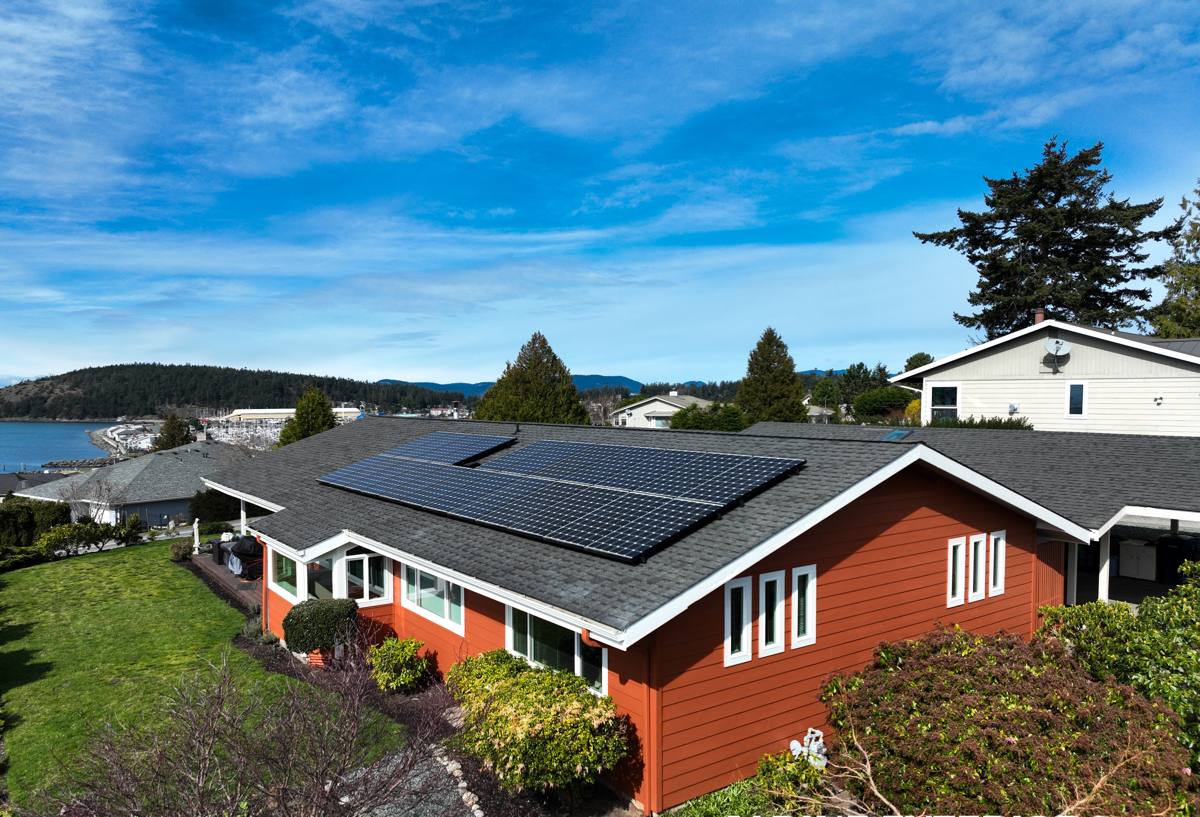
What Salt Air, Wind-Driven Rain, and Moss Season Actually Do to Windows
Salt Air and Corrosion
Airborne salt is corrosive to metal hardware — hinges, locks, balance mechanisms, and screws — well before most homeowners notice anything wrong with the glass itself. On a lot of older installations, the hardware seizes up or starts pitting years before the window unit as a whole would otherwise need replacing. Aluminum-framed windows, which were common in older construction, are especially prone to pitting and oxidation in a marine environment like this one.
Wind-Driven Rain
Rain that comes in sideways off the water tests a window's weatherstripping and flashing in a way that vertical rain never does. A window that would perform fine on a sheltered inland lot can leak at Semiahmoo if the flashing details around the rough opening weren't done correctly, because water is being pushed into gaps rather than just running down the surface.
Moss and Sustained Moisture
Whatcom County's long wet season means anything that holds moisture — wood sills, unsealed trim, low spots in a sill pan — stays damp for extended stretches. That's what feeds moss and mildew growth, and sustained moisture against wood components is also what eventually leads to soft, rotting sills even when the glass and sash look fine.
Signs a Semiahmoo Home's Windows Are Due for Replacement
Not every issue means a full replacement, but these are the signs we see most often on homes in this area, and they're worth having looked at before they turn into a bigger repair:
- Foggy or hazy glass between the panes — this means the seal has failed and the insulating gas or air gap is gone; it can't be cleaned out
- Hardware that's stiff, corroded, or won't latch tight anymore
- Visible pitting, chalking, or white residue on aluminum or older vinyl frames
- Soft or discolored wood at the sill or lower frame corners
- Noticeable draft or cold spot near the window even when it's fully closed
- Moss or dark staining building up on the sill or exterior trim faster than it used to
- Windows that are difficult to open, close, or lock — frames can shift slightly as wood components swell and dry over repeated wet seasons
- Condensation forming on the inside of the glass regularly during colder months
What a Correct Window Replacement Job Involves Here
Full-Frame vs. Insert Replacement
An insert (or "pocket") replacement keeps the existing exterior frame in place and installs a new window inside it. It's faster and less invasive, and it's a reasonable option when the existing frame is still solid and square. A full-frame replacement removes the window down to the rough opening, which lets us inspect and correct whatever is behind the old frame — including any rot, damaged flashing, or moisture damage that's already started. On a Semiahmoo home, we lean toward full-frame more often than we would inland, simply because it's common to find sill or framing damage once the old unit comes out, and an insert replacement would just seal that damage back up instead of fixing it.
Flashing and Moisture Management
This is the part of the job that determines whether a window leaks in a few years or lasts for decades, and it's almost entirely invisible once the trim goes back on. Correct flashing means water that gets behind the exterior cladding is directed back out, not trapped against the framing. For a home taking direct wind-driven rain off the water, we pay particular attention to head flashing above the window and proper sill pan drainage below it — these are the two spots most likely to let water in if they're rushed.
Sealant and Hardware Choices
We use exterior sealants rated for the movement and moisture exposure a coastal-facing wall sees, and we favor hardware and fasteners with better corrosion resistance for anything installed on a water-facing elevation. It costs a little more up front. It also means you're not dealing with seized hardware in five years instead of fifteen.
Comparing Window Materials for a Semiahmoo Property
There's no single "best" window material for every home — it depends on your home's style, budget, and how exposed a particular wall is to wind and salt air. Here's how the common options hold up in this specific environment:
| Material | Coastal/Salt Air Performance | Maintenance | Typical Cost Position |
|---|---|---|---|
| Vinyl | Won't corrode or rust; performs well in salt air | Low — occasional cleaning | Most affordable |
| Fiberglass | Very stable in temperature swings and moisture; strong option for exposed elevations | Low | Mid to upper-mid |
| Wood-clad | Good performance if the exterior cladding is intact, but any breach exposes wood to rot risk | Higher — cladding and any exposed wood need monitoring | Upper |
| Aluminum | Prone to pitting and corrosion in salt air over time; not our first recommendation for water-facing walls | Moderate to high over time | Varies |
We don't push one brand or material for every job. What we do is tell you honestly which option makes sense for a specific wall — a sheltered elevation with little direct exposure has more flexibility than a wall taking wind straight off the bay.
What Drives Cost on a Semiahmoo Window Replacement
Every home and every window opening is different, so we don't quote sight unseen, but these are the factors that most commonly move the price:
| Factor | Why It Matters |
|---|---|
| Full-frame vs. insert replacement | Full-frame involves more labor and often reveals framing repairs |
| Condition behind the old frame | Hidden rot or water damage found during removal adds repair time |
| Window material and glass package | Fiberglass and upgraded glass (e.g., higher-performance coatings) cost more than standard vinyl |
| Number and size of openings | Larger units and more openings mean more material and labor |
| Access and elevation | Upper-floor or hard-to-reach windows can require additional equipment |
| Trim and exterior finish work | Matching existing trim profiles or repainting adjacent siding adds scope |
Our Process for Semiahmoo Jobs
- Walkthrough and assessment — we look at every window being considered, check for existing moisture damage, and note which elevations face the most wind and rain exposure
- Honest recommendation — insert or full-frame, material options, and what we'd actually do on our own house in that spot
- Written estimate — clear scope, so you know what's included before any work starts
- Removal and inspection — old windows come out, and we address any rot or flashing issues we find before anything new goes in
- Installation — new flashing, sill pan, and window unit set level, plumb, and properly sealed
- Trim and finish — exterior and interior trim completed to match your home
- Final walkthrough — we check operation, sealing, and cleanup with you before we call it done
Why a Crew That Already Works Semiahmoo Makes a Difference
A lot of window problems in this area trace back to installation details that don't account for the local conditions — flashing sequencing that would be fine on a sheltered inland lot but isn't enough for direct wind-driven rain, or hardware that wasn't rated for constant salt exposure. Because we work Blaine and Semiahmoo regularly, we've seen how windows installed with those shortcuts actually perform a few years in, and we build around what we've seen fail, not just what a spec sheet promises. We're also close enough to be back quickly if you ever have a question or an issue after the install — that's not always true of a contractor coming from further away.
Maintaining New Windows Once They're In
New windows still need some attention in this climate to get their full lifespan out of them:
- Rinse salt residue off frames and glass periodically, especially after storms
- Keep weep holes (small drainage openings along the bottom of the frame) clear of debris and moss
- Check exterior caulking and sealant lines annually and touch up if you see cracking or gaps
- Lubricate hardware occasionally to keep locks and hinges moving freely in salt air
- Clear moss or algae off sills and adjacent trim before it spreads or holds moisture against the surface
If your Semiahmoo windows are showing any of the wear signs above, or you're just planning ahead, we're happy to take a look and give you a straight answer — no pressure, no upsell. Use the form below to request a free estimate.