 Blaine
 Window Installation on Semiahmoo: Built for Life on the Spit
Semiahmoo sits out on a narrow spit between Semiahmoo Bay and Drayton Harbor, right at the edge of Blaine and the Canadian border. It's one of the most exposed residential settings in Whatcom County — water on more than one side, almost no windbreak, and a marine climate that stays wet and salty for long stretches of the year. Windows take the brunt of that exposure more than almost any other part of a house, because a window opening is where the building envelope has the most seams, the most moving hardware, and the most places for water and salt air to work their way in.
We install and replace windows for homes and condominiums throughout Semiahmoo, and we treat the flashing and integration work as just as important as the window unit itself. A well-built window installed with sloppy flashing will leak on a property like this. A mid-grade window installed correctly, with flashing that ties properly into the surrounding wall and siding, will often hold up longer and perform better.
What This Climate Demands From a Window Installation
Salt Air From More Than One Direction
Because Semiahmoo has water on more than one side, homes here take salt-laden air from multiple directions instead of a single prevailing exposure. That accelerates corrosion in window hardware, fasteners, and flashing faster than a drier or more sheltered site would ever see. Locks, hinges, and cranks that would last decades inland can start seizing up or pitting within a few years out here if they aren't rated for it.
Wind-Driven Rain and Flashing Pressure
With almost nothing to break the wind, rain on the spit doesn't fall straight down — it gets driven sideways into window openings with more force than a typical inland lot ever experiences. That means flashing details that hold up fine in a calmer setting can fail here specifically, because water is testing every lap and seam under real pressure, not just sitting and draining away.
A Long Moss and Mildew Season
Mild temperatures and near-constant humidity add up to a moss and mildew season that runs most of the year across this part of Whatcom County. Window sills, trim, and the wood framing around older windows are common places it settles in, especially on shaded, north-facing elevations where things don't dry out between storms. Once moisture gets trapped against porous trim, it doesn't take long for rot to follow.
Condensation From Temperature Swings
Damp winters and the temperature gap between heated interiors and cold, wet exteriors put real condensation pressure on window glass and frames. Fogging between panes, moisture pooling on interior sills, or a persistent draft near a closed window are usually signs a seal has already failed — not just a cosmetic issue to live with.
What a Correct Window Installation Actually Involves
The window unit itself is only part of the job. On an exposed property like this, we pay just as much attention to how the rough opening is prepared and how the new flashing ties into the existing weather-resistive barrier and siding. That means flashing laps in the right order — from the bottom up — so water is always directed out and away from the opening rather than trapped behind it, and every seam gets sealed with materials rated for sustained moisture exposure, not just standard caulk.
Caulk has a place in window installation, but it's a supplement to proper flashing, not a substitute for it. On repair and tear-out calls around Semiahmoo, the most common source of window water damage isn't the window unit failing on its own — it's flashing that was never lapped correctly, or caulk that was asked to do a job it was never built for. Caulk breaks down and cracks over time; a flashing system that's built and lapped correctly doesn't depend on it holding a perfect seal for the next twenty years.
Signs a Semiahmoo Window Needs Attention
- Fogging or visible moisture trapped between the panes of a double-pane window
- Hardware that's stiff, pitted, or hard to operate — a common early sign of salt-air corrosion
- Wood trim or sills that feel soft, look discolored, or show moss or mildew that keeps coming back
- Drafts or cold spots near the frame even with the window fully latched
- Visible gaps, cracked caulk, or daylight where the frame meets the siding
- Whistling or rattling during wind-driven storms off the water
Choosing Windows for an Exposed Waterfront Property
We install vinyl and fiberglass window systems suited to this climate, and we walk homeowners through the real trade-offs rather than pushing one brand as the only right answer. What matters most on a Semiahmoo property is a tight, well-engineered frame, glazing that handles both energy performance and condensation resistance, and hardware built to hold up under sustained salt-air exposure — not a name on the label.
- Frame material: Vinyl and fiberglass both resist rot in a way uncladded wood frames don't, which matters given how much moisture and salt this property line sees.
- Glazing package: Double or triple-pane options with low-E coatings help with energy performance and cut down on the interior condensation that's common in this climate.
- Hardware grade: Corrosion-resistant hardware is not optional on a spit property — standard-grade hardware simply wears out faster here.
- Warranty structure: A manufacturer's product warranty is only as good as the installation behind it, which is why we stand behind our installation work separately.
Cost Factors in a Semiahmoo Window Installation
| Factor | Why It Matters on the Spit | Typical Cost Impact |
|---|---|---|
| Frame material (vinyl vs. fiberglass) | Fiberglass costs more upfront but holds dimensional stability better under temperature swings | Moderate to significant, depending on window count |
| Glazing package | Triple-pane and upgraded low-E coatings add cost but reduce condensation and energy loss | Modest per window |
| Number of openings replaced at once | Doing all windows in one project reduces repeat mobilization and flashing tie-in work | Lower cost per window at volume |
| Condition found at tear-out | Rotted framing or hidden water damage discovered once old windows are removed adds repair scope | Variable — depends on what's found |
| Site access on the spit | Some Semiahmoo properties have tighter access or shared drives that affect staging and logistics | Minor to moderate |
How Window Work Ties Into Siding and the Rest of the Envelope
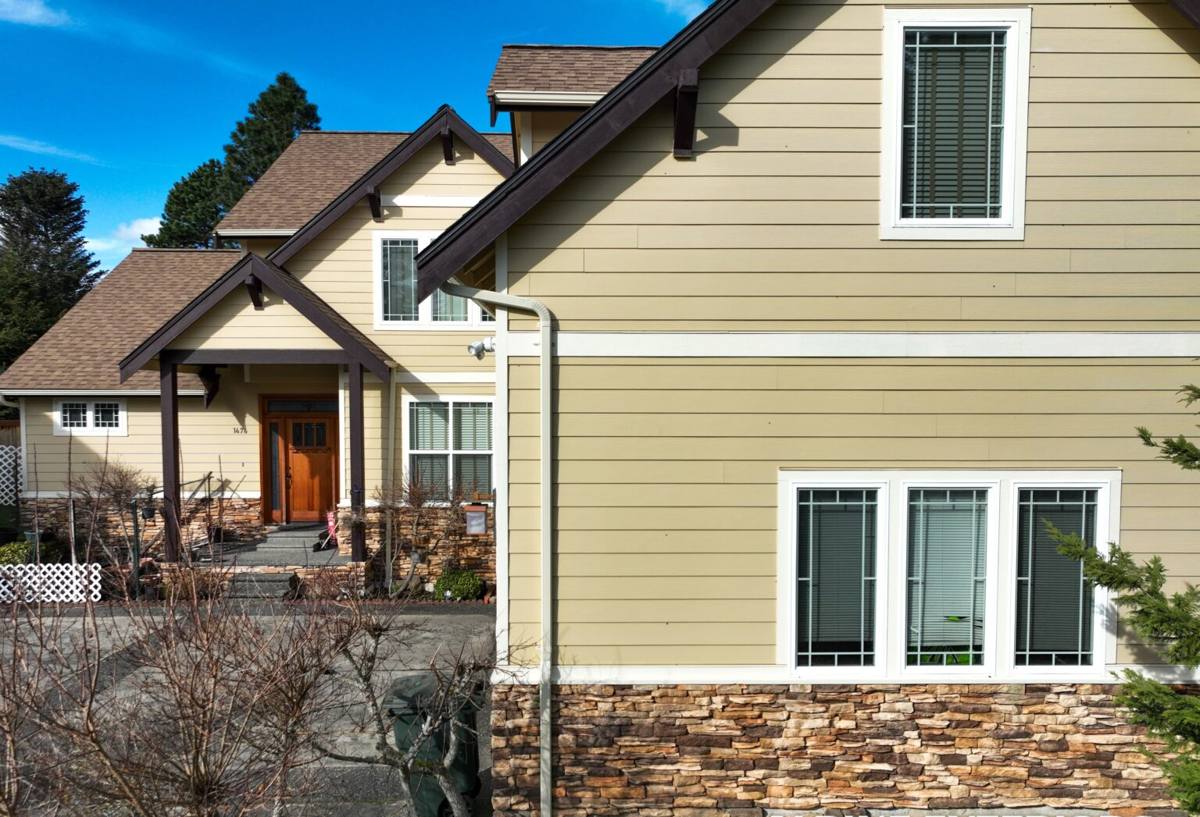
Windows don't fail in isolation. A window replacement done without attention to the surrounding siding and drainage plane can look fine for a season or two and still leak, because water that gets past a poorly integrated window travels into the wall assembly instead of staying visible. Many homes on Semiahmoo are finished in fiber cement siding, and when that's the case, we make sure new window flashing ties into that existing system correctly rather than just butting up against it and relying on sealant to bridge the gap. We handle siding, roofing, windows, and decks as one connected building envelope, which is part of why the person doing the window flashing understands how it needs to integrate with the siding and trim around it.
A Simple Checklist Before Hiring for Window Work on Semiahmoo
- Ask specifically how they handle flashing integration with your existing siding, not just which window brand they sell
- Confirm current Washington contractor licensing and active liability insurance
- Get a written scope that separates the manufacturer's product warranty from the contractor's installation warranty
- Ask whether they recommend repair or replacement for each window individually, and why
- Ask about lead times — custom-sized windows for this region can take several weeks to arrive once ordered
Why a Local Crew Matters on the Spit
A contractor who regularly works this specific stretch of Whatcom County coastline already understands how salt air, open wind exposure, and prolonged moisture behave differently here than they do even a few miles inland in Blaine proper. That shows up in the small decisions — how much lap a flashing detail gets, which hardware grade gets specified, whether drainage gets extra attention at a sill — and those decisions are what actually determine whether a window installation lasts one wet winter or several decades on an exposed property like this.
Our Process
We start with an on-site look at the existing windows, checking frame condition, seal integrity, hardware function, and how the current flashing ties into the siding around each opening.
- On-site assessment of each window, with an honest read on repair versus replacement
- Written scope and timeline before any work begins, including separate product and installation warranty terms
- Careful removal of the old unit and inspection of the rough opening for hidden moisture damage
- Flashing and drainage detailing built to standard practice on every window, not offered as an optional upgrade
- Final check of operation, seal, and weatherproofing before the job is called complete
If you're dealing with drafty, foggy, or corroded windows on a Semiahmoo property — or you're just not sure whether repair or replacement is the right call — we're happy to take a look and give an honest assessment. Reach out below for a free, no-pressure estimate.