 Blaine
 Deck Replacement in Semiahmoo's Marine Climate
Semiahmoo sits right on the water at the edge of Blaine, and that waterfront location is exactly why decks here wear out faster than decks a few miles inland. Salt-laden air off the bay, near-constant winter rain, and a moss season that can run from October through May put a level of stress on outdoor structures that most decking products and most fastener systems simply weren't built for. A deck that looks fine from the yard can be quietly failing underneath, and by the time boards are visibly cupping or railings feel loose, the framing underneath has often been absorbing moisture for years.
This page is about deck replacement specifically for homes in and around Semiahmoo — not a generic overview. If you're trying to figure out whether your deck needs a repair or a full rebuild, what materials actually hold up this close to salt water, and what a correctly built replacement looks like, this is written for that.
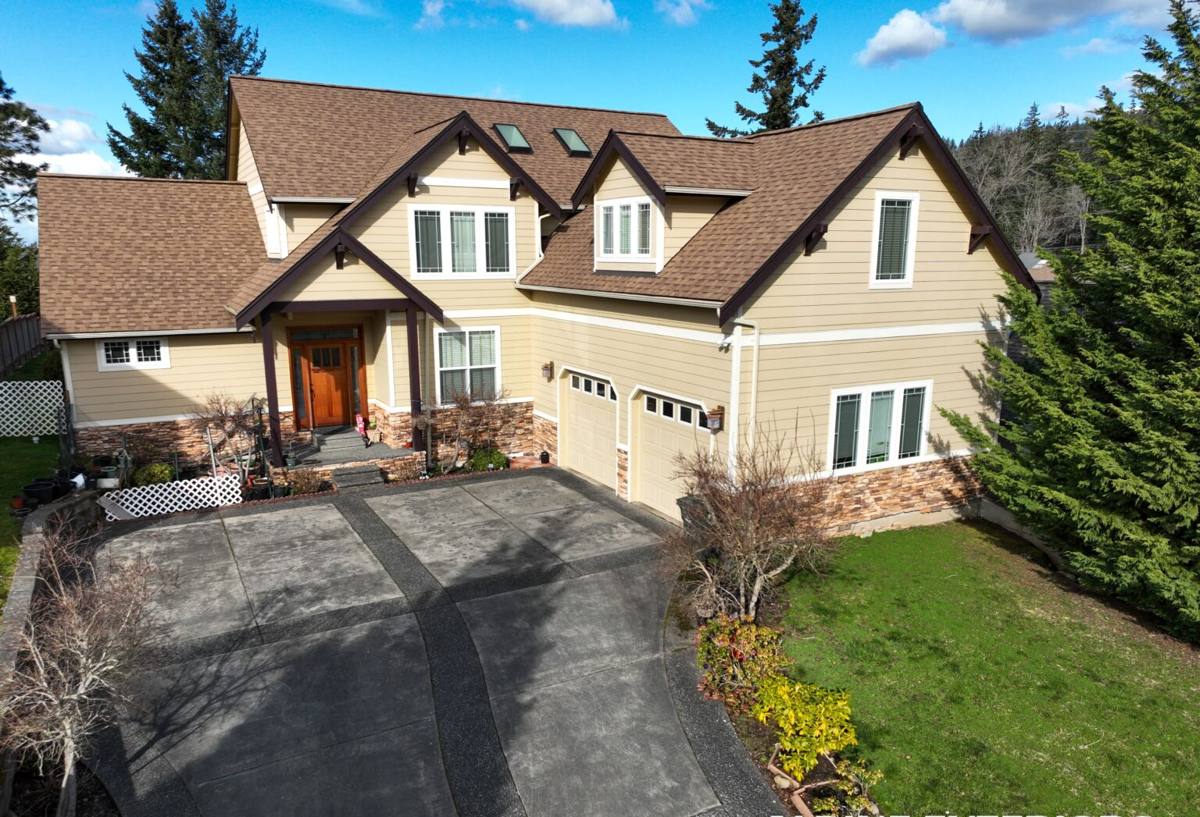
What Salt Air, Rain, and Moss Actually Do to a Deck
Salt Air and Corrosion
Airborne salt doesn't just sit on the surface — it works its way into fastener heads, hinges, and any exposed metal hardware. Standard galvanized screws and nails that would be fine in a drier, inland part of Whatcom County can start corroding within a few seasons here. Once a fastener corrodes, it loses holding strength long before it looks obviously rusted, which is part of why decks near the water can develop wobble or squeak in areas that seem structurally unremarkable.
Standing Water and Rot
Blaine gets a lot of driving rain, and on a deck that rain doesn't fall straight down — wind pushes it sideways into ledger boards, under railings, and into any gap where boards meet framing. If drainage and flashing weren't done right the first time, water collects instead of shedding, and that's where rot starts. It usually begins hidden, in the ledger connection to the house or in joists that don't get enough airflow underneath, well before it shows up as soft decking on top.
Moss and Slip Hazards
A long, damp moss season means any deck surface that holds shade or doesn't drain well will grow moss and algae, and that's not just cosmetic. Moss holds moisture against the wood surface, accelerating decay, and it creates a genuinely slick, unsafe walking surface — especially on stairs. Decks built without enough slope or gap spacing for water to escape tend to develop this problem chronically, no matter how often they're cleaned.
Repair or Replace? Signs It's Time
Not every tired-looking deck needs a full replacement, but in this climate, deferred maintenance turns into structural problems faster than homeowners expect. These are the signs we take seriously when we're deciding whether a repair will actually hold or whether it's time to rebuild:
- Soft, spongy spots on the decking surface, especially near the house or around posts
- A ledger board that's pulling away from the house, or visible gaps behind it
- Railings or posts that flex or wobble when pushed
- Rust streaks running down from fastener heads or hardware
- Persistent moss or black staining that comes back within weeks of cleaning
- Joists or beams you can probe with a screwdriver and feel give
- A deck more than 15-20 years old built with older fastener or flashing standards
If you're only seeing one or two of these and the framing underneath is sound, a repair or resurfacing may be the honest answer — we'll tell you that. Deck replacement makes sense when the framing itself is compromised, when the ledger connection is failing, or when repeated repairs on an aging deck are starting to cost more than a rebuild would.
Choosing a Decking Material for Semiahmoo
Material choice matters more here than in a drier climate, because the combination of salt air and constant moisture punishes anything that isn't dimensionally stable or properly sealed. Here's how the common options actually perform in this environment:
| Material | How It Handles Salt Air & Rain | Maintenance | Typical Lifespan Here |
|---|---|---|---|
| Pressure-treated wood | Affordable, but end grain and fastener holes are entry points for moisture; needs consistent sealing | Annual cleaning and re-staining/sealing | 10-15 years with upkeep |
| Cedar | Naturally rot-resistant but softer; still needs sealing against driving rain and salt exposure | Regular sealing, moss treatment | 12-18 years with upkeep |
| Composite decking | Doesn't absorb moisture the way wood does; performs well against moss and salt staining | Occasional washing, no sealing/staining | 20-30 years, manufacturer-dependent |
| PVC/capstock boards | Fully sealed surface, best resistance to moisture and salt; won't rot | Low — washing only | 25-30+ years |
We don't push one product on every job. Wood costs less up front and some homeowners prefer the look and repairability of it. Composite and PVC cost more initially but shift the long-term maintenance burden way down, which matters a lot on a deck that's fighting salt air and moss for eight or nine months of the year. We'll walk through the honest trade-offs for your specific deck rather than defaulting to whatever's easiest to install.
What a Correct Deck Replacement Involves
Framing and Ledger Flashing
The ledger board — where the deck attaches to the house — is the single most common failure point we see on older decks near the water. A correct replacement means proper flashing behind and over the ledger so water is directed away from the house rather than trapped against it, and framing lumber rated for ground contact or exterior exposure where it's called for.
Fasteners and Hardware for Salt Air
Given how fast standard galvanized hardware corrodes this close to salt water, we use fasteners and structural connectors rated for coastal or high-corrosion exposure — stainless steel or heavy-coated hardware rather than the minimum-grade fasteners that work fine inland but fail early here. This is a small cost difference at build time and a major difference in how long the deck holds together.
Drainage and Spacing
Board spacing and deck slope are set to shed water instead of holding it, which directly reduces both rot risk and moss buildup. Joists get enough clearance and airflow underneath so the structure can dry out between storms instead of staying damp for weeks at a stretch, which is the normal winter pattern here.
Railings and Code Requirements
Railings take direct wind and rain exposure and also carry safety code requirements — height, baluster spacing, and load ratings that apply regardless of material choice. On a replacement, this is the right time to correct any older railing that doesn't meet current code, and to choose railing materials and hardware that will hold up to the same salt-air conditions as the decking itself, since a rebuilt deck with corroding old railing hardware doesn't actually solve the underlying problem.
Our Process for a Semiahmoo Deck Replacement
- On-site assessment of the existing deck, including probing framing and the ledger connection to see what's actually failing versus what's cosmetic
- Honest recommendation — repair, partial rebuild, or full replacement — with the reasoning explained
- Material and design discussion based on your budget, maintenance preference, and how exposed the deck is to wind and rain
- Permitting where required by the City of Blaine or Whatcom County, handled as part of the job
- Tear-off and structural rebuild, including corrected flashing and corrosion-resistant hardware
- Decking, railing, and stair installation
- Final walkthrough so you know how to maintain the specific material we installed
Why Local Experience in Semiahmoo Matters
A crew that's worked decks throughout Blaine and the surrounding Whatcom County waterfront already knows which fastener grades hold up here, which ledger details fail first, and how much slope and spacing a deck actually needs to shed moss and rain rather than collect it. That's the difference between a deck that looks good for one season and one that's still solid in fifteen years. It also means we're familiar with local permitting requirements and typical lot conditions in the area, so there aren't surprises mid-project.
What Affects the Cost of a Deck Replacement
| Factor | Why It Matters |
|---|---|
| Deck size and layout | Square footage and number of levels or stairs directly drive material and labor |
| Decking material | Wood costs less upfront; composite and PVC cost more but reduce long-term maintenance |
| Framing condition | If the substructure needs full replacement versus reuse of sound framing |
| Railing style and material | Code-compliant railings in matching corrosion-resistant materials add cost |
| Site access | Waterfront and sloped lots can affect equipment access and labor time |
| Permitting | Required for most full replacements and factored into project timeline |
We give straightforward ranges once we've actually seen the deck — anyone quoting a firm number without an on-site look isn't accounting for what's usually the biggest variable: the condition of the framing underneath.
If your deck in Semiahmoo is showing any of the signs above, or you'd just like an honest opinion on whether it needs repair or replacement, we're happy to take a look. Fill out the form below for a free, no-pressure estimate.