 Blaine
 Roof Repair for Sandy Point's Waterfront Conditions
Sandy Point sits right on the water, and that location is exactly what makes roof repair here different from a typical inland job. Homes in this community face salt-laden air off the Strait of Georgia, driving rain that comes in sideways during winter storms, and long stretches of shade and dampness that keep moss growing on north-facing slopes nearly year-round. A roof repair that ignores those conditions might look fine for a season or two, then fail again at the same spot. A repair that accounts for them holds up.
This page covers roof repair specifically for Sandy Point homes — what the local climate does to roofing systems, what a correct repair actually involves, how we handle the work from first call to final walkthrough, and why it matters to hire a crew that already knows this neighborhood.
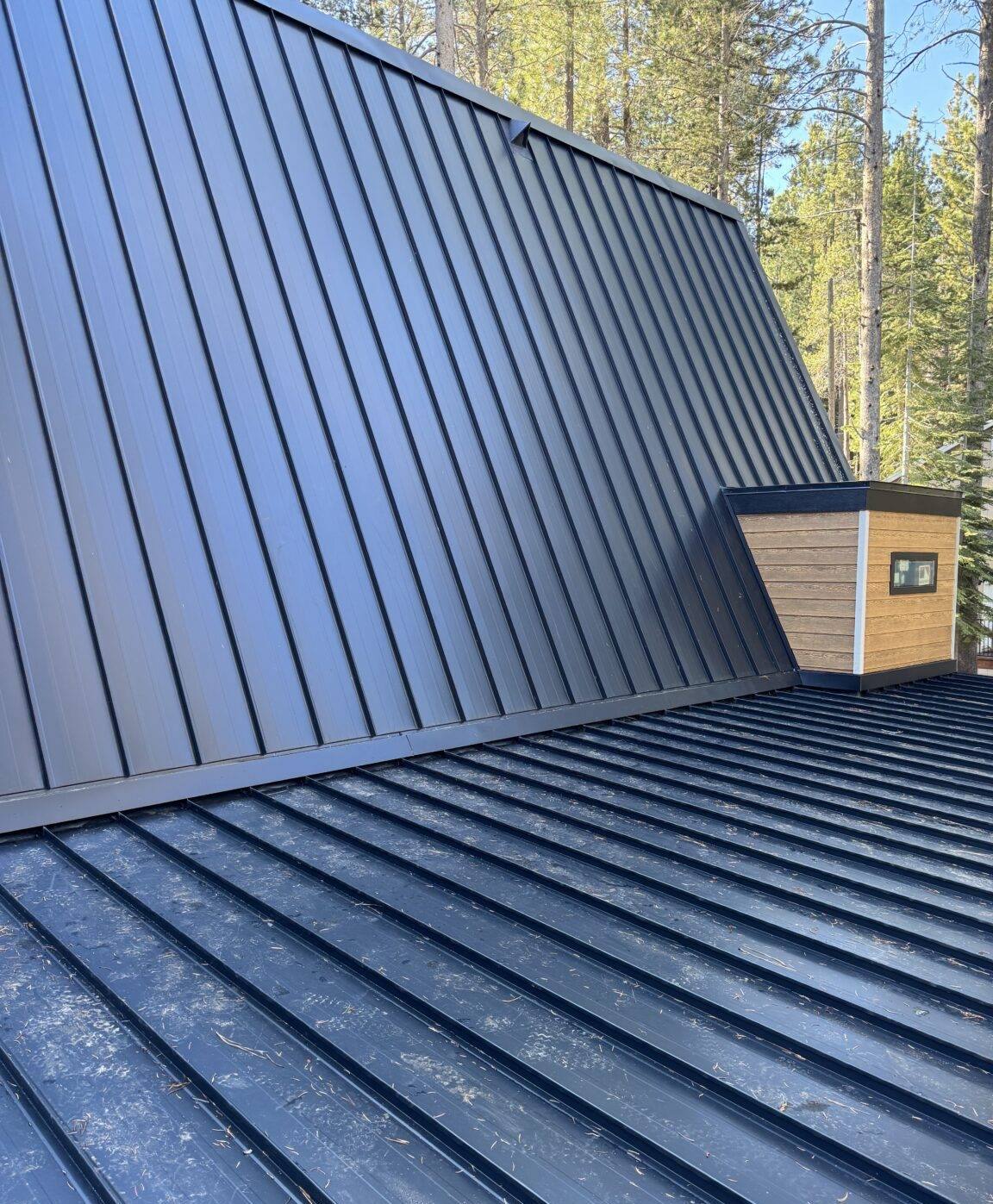
What Salt Air, Rain, and Moss Do to Sandy Point Roofs
Every coastal property in Whatcom County deals with weather, but Sandy Point's exposed, low-elevation position on the water puts it in a tougher spot than most Blaine-area homes set back from the shoreline.
Salt Air and Metal Fatigue
Salt in the air accelerates corrosion on anything metal — nail heads, flashing, vent boots, gutter fasteners, and exposed screws on metal roofing. Once corrosion starts, it doesn't stay put. A rusted nail head can back out and let water in around it, and corroded flashing loses its seal well before the roofing material around it wears out. On a salt-exposed roof, the flashing and fasteners often need attention before the shingles or panels do.
Driving Rain and Wind-Driven Wetting
Storms off the water tend to push rain sideways rather than straight down. That wind-driven rain finds its way under shingle edges, through marginal flashing laps, and into any gap that a calmer rain would never reach. Repairs that only address the visible leak point — without checking how wind direction is forcing water into that spot — tend to come back after the next storm.
Moss and Prolonged Dampness
Shaded, north-facing roof sections in this part of Whatcom County stay damp for extended periods, which is exactly what moss needs to take hold. Moss holds moisture against the roofing material, lifts shingle edges as it grows under the tabs, and can work its way into seams on other roofing types too. A roof with visible moss usually has more moisture retention happening underneath than what's visible from the ground.
Signs a Sandy Point Roof Needs Repair
Because of the salt air and rain exposure here, small issues tend to progress faster than they would on a sheltered inland roof. Catching them early keeps a repair a repair, instead of turning it into a bigger project.
- Water stains or discoloration on interior ceilings, especially near exterior walls or roof valleys
- Visible moss growth, particularly on shaded or north-facing slopes
- Rust streaks running down from metal flashing, vents, or fasteners
- Curling, cracked, or missing shingles, especially after a windstorm
- Granules collecting in gutters or at downspout outlets
- Soft or spongy spots when walking the roof (a sign of underlying deck damage)
- Daylight visible through the roof deck from inside the attic
- Flashing that's pulling away from chimneys, skylights, or wall intersections
Any one of these on its own doesn't necessarily mean a major problem, but on a waterfront roof it's worth having someone look before the next round of driving rain finds the weak spot.
What a Correct Roof Repair Actually Involves
A roof repair is only as good as what happens under the surface layer. On a home exposed to salt air and heavy rain, cutting corners on the parts you can't see is where most repeat leaks come from.
Diagnosing the Real Source
Water rarely shows up on the ceiling directly below where it entered the roof — it travels along the deck or rafters first. A proper repair starts with tracing the leak back to its actual entry point, not just patching the spot where the stain appeared.
Addressing the Deck, Not Just the Surface
If water has been getting in for a while, the roof deck underneath may be softened or delaminating. Patching new shingles over a compromised deck doesn't fix the underlying problem — it just delays the next repair.
Flashing and Underlayment
Given how much of Sandy Point's roof wear traces back to flashing and fastener corrosion, we treat flashing repair as part of nearly every job, not an optional add-on. That includes step flashing along walls, counter-flashing at chimneys, and boots around roof penetrations — all points where wind-driven rain finds its way in.
Matching Materials Correctly
New shingles or panels need to match the existing roofing in profile and, where possible, color and age-weathering, so the repair doesn't stand out or create a mismatch in how the roof sheds water at the seams.
Common Roof Repair Types in Sandy Point
Not every repair is the same scope of work. Here's how the most common repair types we see in this area typically break down.
| Repair Type | Typical Local Cause | What's Involved |
|---|---|---|
| Flashing repair/replacement | Salt-air corrosion, wind lift at seams | Remove and replace corroded flashing, re-seal transitions at walls, chimneys, and vents |
| Shingle patch or section replacement | Wind damage, moss lifting tabs | Remove damaged shingles, inspect deck below, install matching replacement shingles |
| Moss remediation and roof treatment | Shaded, damp north-facing slopes | Careful moss removal, treatment application, and check for moisture damage underneath |
| Deck repair | Prolonged undetected leaks | Cut out and replace affected deck sections before re-roofing the area |
| Vent boot and penetration seals | Rubber/metal seal breakdown from salt exposure and UV | Replace boots and re-seal around plumbing vents, pipes, and other roof penetrations |
| Gutter and edge repair | Corrosion and wind-driven debris | Reattach or replace fasteners and sections, correct water flow at rooflines |
Actual scope and pricing depend on roof access, material type, and how much hidden damage is found once the area is opened up — which is why we give firm numbers after a physical inspection rather than a phone estimate.
Our Roof Repair Process
- Initial contact and scheduling. We ask about the symptoms you're seeing — where, how often, and under what weather conditions — to plan the visit efficiently.
- On-site inspection. We walk the roof (weather permitting) and check the attic or interior access points to trace the actual leak path, not just the visible symptom.
- Written scope and estimate. You get a clear explanation of what's causing the issue and what we recommend, with pricing before any work starts.
- Repair work. We complete the agreed scope, including any flashing, underlayment, or deck work uncovered during the process — with no surprise add-ons unless we find something and get your sign-off first.
- Final check. We confirm the repair area sheds water correctly and walk you through what was done.
Materials We Use and Why
For fasteners and flashing on salt-exposed homes, we favor corrosion-resistant materials over standard-grade options, since standard fasteners are one of the first things to fail in this environment. For shingle and panel repairs, we match your existing roofing system's manufacturer specifications where possible, since mixing incompatible materials can void manufacturer warranties or create differential wear between old and new sections. Where a homeowner's existing roof uses a product that's difficult to source a true match for, we'll walk through the honest trade-offs — visual blending, warranty implications, and longevity — so you can decide with full information rather than guesswork.
Why a Sandy Point-Familiar Crew Matters
Sandy Point is a private, gated waterfront community, and that changes some practical logistics around roof work — gate access, scheduling around community rules, and working respectfully in a tight-knit neighborhood. A crew that's already done work here knows how to handle that access smoothly instead of losing a morning to logistics.
More importantly, a crew that regularly works this stretch of the Whatcom County coastline has already seen how salt air, wind-driven rain, and moss behave on roofs in this exact setting. That's the difference between a repair that treats the symptom and one that accounts for why the damage happened in the first place. It's also why we're upfront when a repair isn't the right call anymore — if a roof has multiple failure points from age and long-term salt exposure, patching one spot repeatedly stops making financial sense, and we'll tell you that directly instead of billing for repeat visits.
Get a Free, No-Pressure Estimate
If you're seeing signs of a leak, moss buildup, or storm damage on a Sandy Point roof, it's worth having someone take a real look before the next round of weather off the water makes it worse. Fill out the form below for a free estimate — no pressure, no obligation, just a straight assessment of what your roof actually needs.