 Blaine
 Roof Repair Built for Grandview's Weather, Not a National Checklist
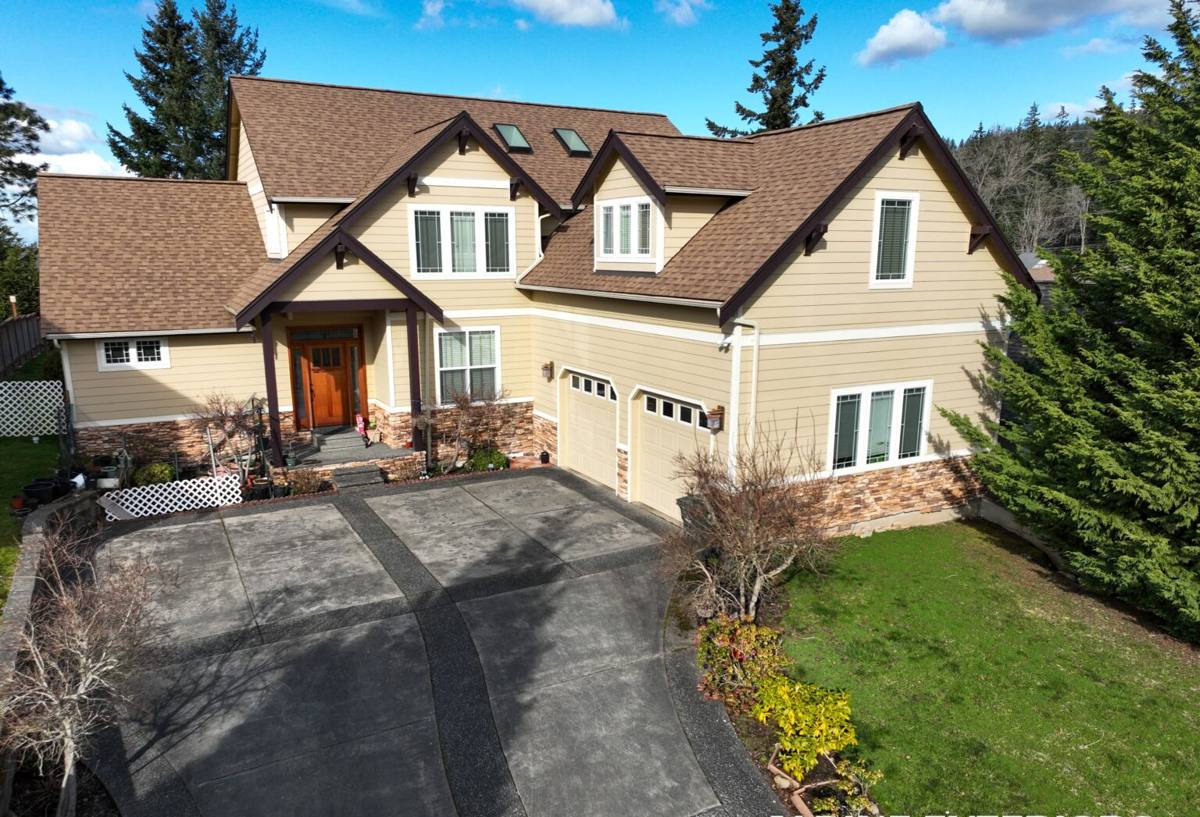
Grandview homes sit close enough to the water that roofs here take a different kind of beating than roofs twenty miles inland. Salt-laden air corrodes fasteners and flashing faster than manufacturers' charts assume. Driving rain off the Strait finds every gap in a roof system that's even slightly out of spec. And Whatcom County's long, wet moss season doesn't just look bad — it lifts shingles, holds moisture against the deck, and turns small leaks into rot before anyone notices a stain on the ceiling. A roof repair here needs to account for all three, not just patch the spot that's currently dripping.
We've worked on enough roofs in this neighborhood to know the difference between a repair that lasts one winter and one that lasts ten. This page covers what that actually looks like — the damage patterns we see, what a correct repair involves, and how to tell a solid repair job from a quick patch.
What Grandview's Climate Does to a Roof
Salt Air and Metal Fatigue
Proximity to Semiahmoo Bay means airborne salt settles on every exposed surface, including roof flashing, nail heads, and vent boots. Standard galvanized fasteners and thin-gauge flashing corrode noticeably faster here than they would in a drier, inland part of Blaine or elsewhere in Whatcom County. Corroded flashing around chimneys, skylights, and roof-to-wall transitions is one of the most common leak sources we find on Grandview homes, often years before the shingles themselves are worn out.
Driving Rain and Wind-Driven Wet
Storms coming off the water don't just fall straight down — they push rain sideways under shingle edges, around ridge caps, and into any seam that isn't properly lapped or sealed. A repair that only addresses the visible gap, without checking how water moves across that section of roof in a wind-driven rain, tends to fail again within a season or two.
Moss: More Than a Cosmetic Problem
Whatcom County's mild, wet climate gives moss a long growing season — often eight months or more of conditions it likes. Moss doesn't just sit on top of shingles; its rhizoids work into the granule surface and butt joints, and mats of moss hold water against the roof deck long after a storm has passed. That sustained moisture is what actually causes rot and premature shingle failure, not the moss itself. Any repair on a Grandview roof that has visible moss needs to deal with the moisture source, not just clean the surface.
Common Repair Situations We See in Grandview
- Flashing failure at chimneys, dormers, and roof-to-wall junctions — usually corrosion-driven, sometimes original installation was undersized for the exposure.
- Moss-related shingle lift along north-facing slopes and shaded valleys where moss thrives and sheds slowly.
- Wind-lifted or cracked shingles along ridgelines and roof edges exposed to storms off the water.
- Valley leaks where debris and moss collect and channel water under the shingle edge instead of down the valley.
- Soft or spongy decking found only once shingles are pulled back — a sign moisture has been getting in for longer than the visible symptoms suggested.
- Gutter and edge-metal corrosion that lets water back up under the first course of shingles.
What a Correct Roof Repair Actually Involves
Start With the Cause, Not the Symptom
A stain on a ceiling or ice damming at the eave tells you where water ended up, not where it got in. Water travels along the underside of decking and rafters before it shows itself indoors, sometimes appearing several feet from the actual entry point. We trace the path back to the source before doing any repair work — patching where the stain is, without finding the real entry point, is the single most common reason a "fixed" roof leaks again.
Check the Deck, Not Just the Surface
Any time we're repairing an area with moss history or a known leak, we check the decking underneath for soft spots, delamination, or rot. Shingling over compromised decking looks fine for a while and fails again quickly. If decking needs replacement, that gets addressed as part of the repair, not left for a future call.
Match Materials and Method to Local Exposure
Given the salt air here, we use corrosion-resistant flashing and fasteners rather than the minimum-spec hardware that might be fine in a less exposed area. Underlayment and sealing details around penetrations get extra attention in areas exposed to wind-driven rain, since that's where standard installation practices tend to fall short in this specific climate.
Address the Moisture Source, Not Just the Moss
Where moss is part of the problem, the repair includes removing it correctly (not scraping it in a way that lifts granules or damages the shingle), addressing what's keeping that area of the roof wet longer than it should be — shade, poor drainage, debris buildup — and applying appropriate treatment to slow regrowth. A repair that skips this step usually needs to be redone within a couple of years as moss re-establishes.
Our Process for a Grandview Repair Call
- Inspection. We look at the whole roof, not just the reported problem area — a leak in one spot is often a sign of wear elsewhere too, especially on a roof that's had time to develop multiple weak points.
- Honest assessment. We tell you plainly whether this is a targeted repair, a larger repair, or a sign the roof is near the end of its useful life. We're not going to talk you into a full replacement for a fixable problem, and we're not going to patch something that needs more than a patch.
- Written scope and price. You know what's being done and what it costs before work starts.
- The repair. Materials matched to the exposure, deck checked and addressed if needed, flashing and sealing done to hold up against wind-driven rain and salt air.
- Cleanup and walkthrough. We show you what was done and why, and flag anything else worth keeping an eye on.
Repair vs. Replacement: How We Help You Decide
| Factor | Leans toward repair | Leans toward replacement |
|---|---|---|
| Age of roof | Under 15-18 years, otherwise sound | Near or past expected lifespan for the material |
| Extent of damage | Localized — one flashing point, one valley, isolated shingles | Widespread wear, multiple leak areas, moss coverage over most slopes |
| Decking condition | Solid, dry decking under the damaged area | Soft or rotted decking found in multiple spots |
| Repair history | First or second repair on this roof | Repeated repairs to the same or nearby areas |
| Granule loss / shingle condition elsewhere | Rest of roof still has good granule coverage | Widespread granule loss, brittle or curling shingles |
Most Grandview repair calls fall clearly on one side of this table once we're actually up on the roof. When it's genuinely borderline, we'll walk you through the trade-offs rather than pushing you toward the more expensive option.
Rough Cost Factors
Repair costs vary with the type of damage, how steep and accessible the roof is, and whether decking replacement is needed. A small, accessible flashing repair is a modest cost; a repair that involves deck replacement, multiple flashing points, or difficult access runs higher. We won't quote a number without seeing the roof, but we will give you a written estimate before any work begins, and we'll explain what's driving the cost.
What to Check Before You Call Anyone
- Look for moss concentration, especially on north-facing or shaded slopes.
- Check gutters for granule buildup — heavy granule loss is a sign of aging shingles.
- Note ceiling stains and their location, even if they're not actively dripping.
- Look for visibly lifted, cracked, or missing shingles after a storm.
- Check attic insulation and any visible decking for dark spots or dampness, if you can safely access it.
Why Hire a Crew That Already Knows Grandview
A repair crew that mostly works inland doesn't have the same working knowledge of how quickly fasteners corrode near the water, how moss behaves through a full Whatcom County wet season, or which flashing details actually hold up against wind off the Strait. We've done this repair work on homes in this neighborhood enough times to know where problems tend to start and what actually holds up here — that's not something you get from a general roofing checklist, and it's the difference between a repair that lasts and one you're calling about again next winter.
If you've got a leak, moss buildup, or storm damage on a Grandview roof, we're happy to take a look and give you a straight answer about what it needs. Request a free, no-pressure estimate using the form below.