 Blaine
 Point Roberts Puts a Roof Through More Than Most Whatcom County Homes See
Point Roberts sits out on its own peninsula, wrapped by water on three sides and tucked against the Canadian border. That location is part of what makes it a special place to live, but it also means the roofs out there take a beating that homes further inland in Blaine or elsewhere in Whatcom County don't see in the same combination. Salt-laden air off the water, wind-driven rain that doesn't just fall but gets pushed sideways into every seam and lap, and long stretches of shaded, damp weather that keep moss growing for most of the year — a roof here has to be built and installed with all three in mind at once, not just one.
A new roof installation done right for Point Roberts isn't a different product than what we'd use elsewhere in the region. It's the same materials installed with more attention to the details that actually fail first in this environment — flashing, fasteners, ventilation, and moss defense.
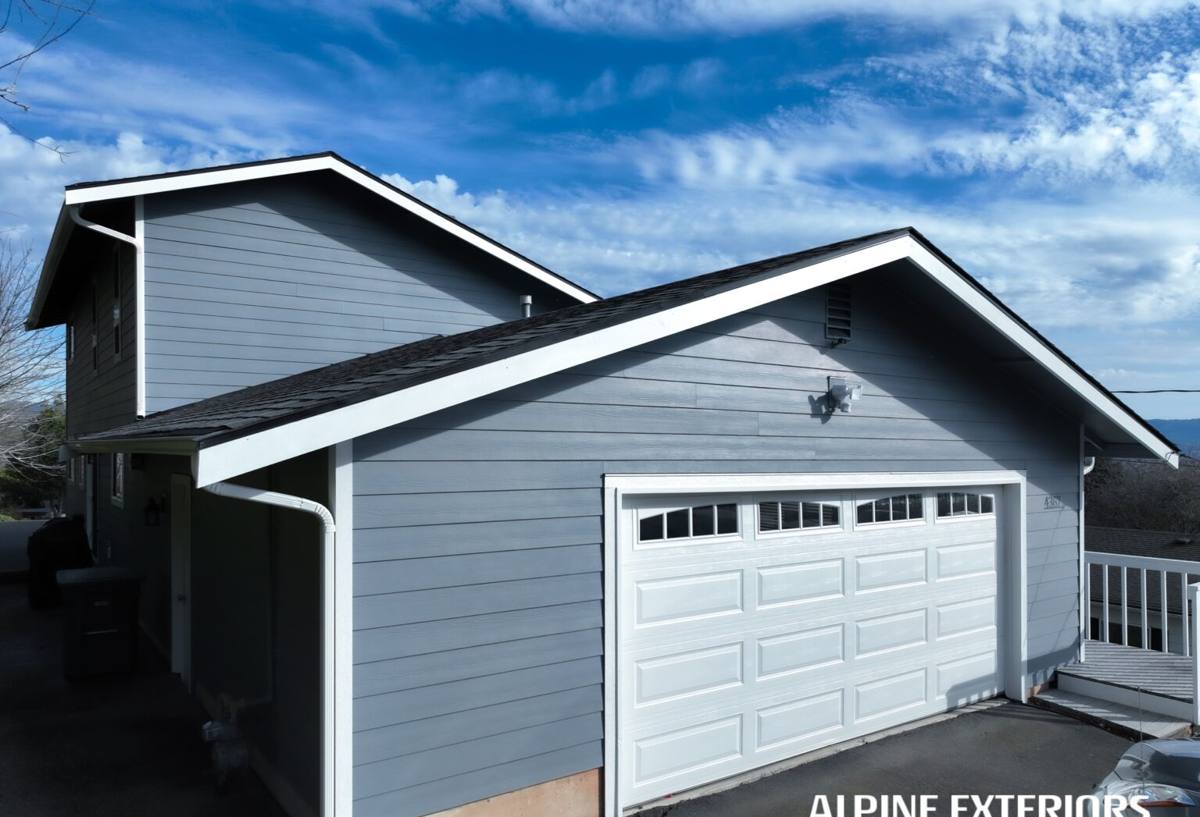
Salt Air: The Slow Corrosion Problem
Being surrounded by marine water means Point Roberts homes live with a steady drift of salt in the air, even on days that feel dry. Salt doesn't damage shingles directly the way it damages metal, but it accelerates corrosion on everything metal that's part of a roofing system — nails, staples, flashing, gutter hangers, and any exposed fasteners. A roof that looks fine on the surface can be quietly failing at the fastener level years before a leak shows up inside.
What this changes about the install
We use corrosion-resistant fasteners rated for coastal exposure rather than standard-grade nails, and we pay close attention to flashing material choice at chimneys, walls, and valleys. Cheaper galvanized flashing can start pitting in a salt-air environment faster than most homeowners expect; a heavier-gauge or better-coated flashing costs a little more up front and holds up for the life of the roof instead of needing attention in five or six years.
Driving Rain: It's a Water Management Problem, Not Just a Shingle Problem
Wind off the water pushes rain at an angle instead of letting it fall straight down, which means water finds its way under shingle edges, around vent pipes, and into any gap in a flashing detail that would stay dry in a calmer inland location. Most roof leaks in this kind of climate don't come from a shingle failing in the field — they come from a poorly sealed detail at an edge, valley, or penetration.
Where we focus water management
- Ice-and-water shield membrane at eaves, valleys, and around every roof penetration, not just where code requires it
- Properly lapped synthetic underlayment across the full deck, not just felt paper tacked down loosely
- Metal drip edge at all eaves and rakes so water sheds off the roof instead of wicking back under the fascia
- Step and counter-flashing at every wall intersection, cut into the siding or masonry rather than caulked over the top
- Valleys built with enough underlayment overlap to handle heavy, wind-pushed runoff
Caulk and sealant have their place, but they're a maintenance item, not a substitute for correct flashing. A roof that depends on sealant to stay dry is a roof that will eventually leak.
Moss: Point Roberts' Longest Season
Between tree cover, shaded north-facing slopes, and long stretches of damp weather, moss finds ideal conditions on a lot of Point Roberts roofs and holds on for most of the year. Moss isn't just a cosmetic issue — it holds moisture against the shingle surface, works its way under shingle tabs as it grows, and speeds up granule loss, which shortens the life of the roof underneath it.
Building moss resistance into the new roof
Algae- and moss-resistant shingles (the kind with copper-infused granules) are worth the modest upcharge on a shaded lot, and we can also install zinc or copper strips near the ridge on roofs with heavy tree cover — rain washes trace metal down the roof face and slows regrowth. Neither of these makes moss prevention maintenance-free, but both meaningfully extend the time between cleanings and reduce how aggressively moss returns.
What a Correct New Roof Installation Actually Involves
A new roof is only as good as what's underneath the shingles. Here's what should happen on any full replacement, regardless of the material chosen:
- Complete tear-off to bare decking — never a layover on top of old shingles
- Deck inspection, with any soft, delaminated, or water-damaged plywood replaced before anything new goes down
- Synthetic underlayment across the full roof, properly lapped
- Ice-and-water membrane at eaves, valleys, and penetrations
- Corrosion-resistant fasteners and flashing throughout
- Balanced intake and exhaust ventilation, sized to the attic — not just a ridge vent added without matching intake
- Moss-resistant shingles or zinc strip protection on shaded sections
- Ridge cap installed to the shingle manufacturer's spec, not generic three-tab cut down
- Full site cleanup, including a magnetic sweep for stray nails
Skipping the deck inspection or the ventilation work is the most common shortcut in this trade, and it's the one that causes problems five to ten years down the road — premature shingle aging from trapped attic heat and moisture, or soft spots that show up as sagging.
Choosing a Roofing Material for This Climate
Most Point Roberts homes end up choosing between architectural asphalt shingles and standing-seam metal, with cedar shake still around on some older or higher-end homes. Each handles salt air, moss, and wind-driven rain differently.
| Material | Salt air resistance | Moss/algae resistance | Wind-driven rain performance | Typical lifespan |
|---|---|---|---|---|
| Architectural asphalt shingle | Good, with corrosion-resistant fasteners | Good with algae-resistant granules | Very good with proper flashing/underlayment | 25–30 years |
| Standing-seam metal | Excellent with coastal-rated coating | Excellent — sheds moss naturally | Excellent, minimal seams to fail | 40–50+ years |
| Cedar shake | Fair — needs regular maintenance | Poor without ongoing treatment | Fair, dependent on maintenance | 20–25 years with upkeep |
Metal costs more up front but shrugs off both salt exposure and moss better than any other option, which is part of why we see more of it going onto newer builds and full tear-off replacements out here. Architectural asphalt remains the most common choice because it balances upfront cost against solid, long-term performance when installed correctly. Cedar shake looks the part on the right home but asks for more upkeep than most owners want to keep up with in a damp, mossy climate.
Cost Factors Worth Knowing Before You Get Quotes
| Factor | Why it moves the price |
|---|---|
| Roof size and pitch | Steeper roofs take longer and need more safety setup |
| Deck condition | Rotten or soft plywood found during tear-off adds material and labor |
| Material choice | Metal costs more than asphalt but lasts significantly longer |
| Number of valleys, penetrations, and wall intersections | Each one needs individual flashing work |
| Tree cover and access | Heavier shade adds moss-defense material; tight access adds labor time |
Our Process for a Point Roberts Roof Replacement
We start with an in-person inspection, on the roof and in the attic, so the estimate reflects what your home actually needs rather than a generic number. From there:
- Written estimate covering material, labor, disposal, and any deck repair allowance
- Material delivery scheduled around the border crossing so nothing sits waiting on the wrong side
- Tear-off and deck inspection, with any damaged sheathing repaired before underlayment goes down
- Underlayment, flashing, and ventilation work — the parts that determine how the roof performs in ten years, not just how it looks on day one
- Shingle or metal panel installation to manufacturer spec
- Full cleanup and a final walkthrough with the homeowner before we call the job done
Why It Matters to Hire a Crew That Already Works Point Roberts
Point Roberts is a U.S. community that's only reachable by land through Canada, which is a logistical detail a lot of roofing contractors simply aren't set up for. Getting a crew, equipment, a dumpster, and pallets of shingles or metal panels back and forth across the border takes planning that a contractor who only occasionally takes a Point Roberts job tends to underestimate — and that shows up as delayed start dates, mid-job material shortages, or a rushed finish once the crew realizes the schedule slipped.
Working this peninsula regularly means we already have that logistics figured out — material timing, disposal, and crew scheduling that accounts for the crossing instead of getting surprised by it. It also means we've seen how salt air, moss, and driving rain actually play out on roofs in this specific spot over time, not just in general coastal Washington conditions. That familiarity is worth something when it's your roof and your timeline on the line.
Get a Straightforward Estimate
If your roof in Point Roberts is showing granule loss, heavy moss buildup, or you're just planning ahead of a known problem, we're happy to take a look and give you a clear, no-pressure estimate. Use the form below to get started — we'll walk the roof, explain what we find, and give you options that make sense for your home and your budget.