 Blaine
 Point Roberts: A Peninsula Surrounded on Three Sides by Water
Point Roberts sits on the tip of the Tsawwassen peninsula, cut off from the rest of Whatcom County by the international border and bounded by Boundary Bay and the Strait of Georgia. That geography is what makes the community special, and it's also exactly why siding here takes a beating that a typical inland Blaine home never sees. Wind-driven salt spray, near-constant marine humidity, and long stretches of gray, wet weather work on exterior cladding year-round, not just during winter storms.
Homes on the water side catch the worst of it directly. But even homes set back from the shoreline deal with salt-laden air moving across the peninsula on any onshore wind. Add in the shaded, north-facing walls common on wooded Point Roberts lots, and you get the ingredients for a moss season that can run eight months or longer in a bad year.
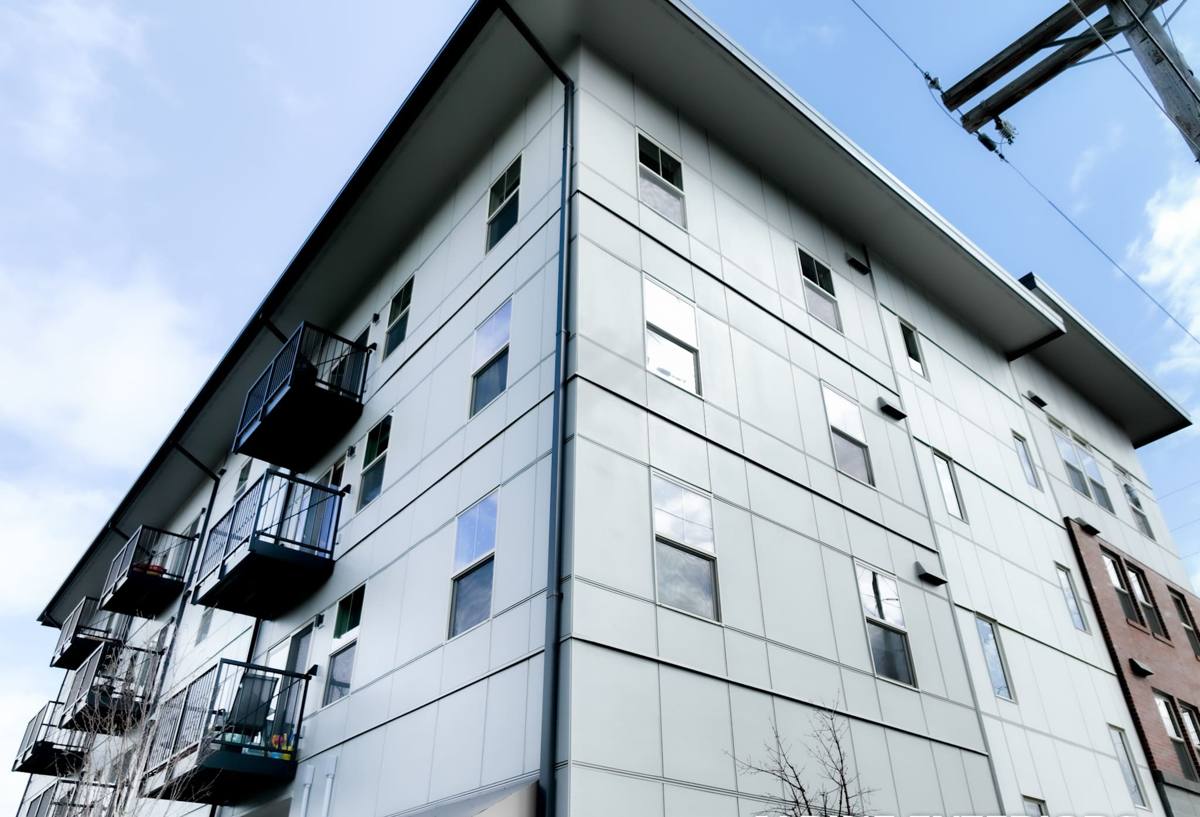
Why Standard Siding Struggles in This Climate
Salt air is corrosive to metal fasteners and trim, and it accelerates the breakdown of paint films and caulk joints. Combine that with sustained moisture and you get a cladding system that's constantly cycling between wet and dry — the exact condition that causes wood siding to cup, check, and rot, and that lets moss and algae take hold on any surface that stays damp for days at a time.
Vinyl siding handles moisture better than raw wood, but it isn't a moisture-management system on its own — it relies entirely on whatever weather barrier and flashing details sit behind it, and its seams and J-channels give algae and moss plenty of ledges to grip. Engineered wood products carry similar exposure risk if the factory coating is ever compromised at a cut edge or fastener point. None of this means these products can't be installed correctly. It means the margin for error is thinner here than it is on a dry inland lot, and the consequences of a shortcut show up faster.
What Point Roberts Homes Actually Need
- A cladding material that doesn't feed on moisture the way wood does
- Corrosion-resistant fasteners and flashing rated for coastal exposure
- A continuous, correctly lapped weather-resistive barrier behind the siding
- A factory finish that isn't relying on field-applied paint to hold up against salt and UV
- Enough standoff from grade, decks, and roof lines to keep splash-back and ponding water off the bottom course
Why We Install Only James Hardie Fiber Cement
We made a deliberate decision to install one product line, James Hardie fiber cement, rather than carrying multiple brands and letting price shop the decision. Hardie's fiber cement is non-combustible, doesn't swell or rot the way wood-based products can, and comes factory-finished through the ColorPlus process rather than depending on a field-applied coat of paint to protect it from day one. Hardie also engineers specific product lines for different climate exposures — the HZ5 formulation used in this region is built around freeze-thaw and moisture cycling more relevant to the Pacific Northwest than a one-size-fits-all national product.
That's not a knock on every other siding product on the market. It's that for a peninsula community dealing with salt air, driving rain, and a long wet season, we didn't want to install something and hope it performs. We wanted a track record and a factory finish built for exactly this kind of exposure, backed by a manufacturer warranty that's meaningful if something does go wrong.
What a Correct Fiber Cement Installation Involves
The Weather Barrier Comes First
Before a single piece of Hardie board goes up, the wall needs a continuous, properly lapped weather-resistive barrier with all penetrations flashed and sealed. On a re-side, this is the point where hidden rot or a failed barrier from the original build gets found — and it needs to be dealt with before new siding goes over it, not covered up.
Fastening and Gapping
Hardie publishes specific fastener types, spacing, and penetration depth for each climate zone, along with required gaps at butt joints, trim, and windows to allow for expansion. Nailing too tight, using the wrong fastener, or skipping the gap allowances is one of the most common ways an otherwise good product fails early — and it's invisible from the ground until moisture starts working its way in.
Flashing and Trim Details
Every window, door, and roofline penetration needs its own flashing detail so water is directed out and down rather than behind the siding. In a climate with this much sustained rain, a single missed flashing detail can take years to show a visible problem while it quietly rots the wall behind it.
Clearance and Drainage
Bottom courses need proper clearance from grade, decks, patios, and roof-to-wall intersections so splash-back and runoff don't sit against the siding. On wooded or shaded Point Roberts lots, this clearance also matters for airflow — tight, damp, shaded gaps are where moss gets its first foothold.
Fiber Cement vs. Other Siding Options in a Marine Climate
| Factor | James Hardie Fiber Cement | Vinyl | Wood / Engineered Wood |
|---|---|---|---|
| Moisture/rot resistance | Doesn't rot; cement-based core | Won't rot, but seams trap moisture and debris | Vulnerable if coating or caulk fails |
| Salt air / corrosion | Factory finish resists salt exposure | Color can fade and become brittle over time | Coating breaks down faster near salt spray |
| Moss/algae resistance | Smooth factory finish sheds growth better | Seams and channels give moss a foothold | Porous surface holds moisture, feeds growth |
| Fire resistance | Non-combustible | Combustible | Combustible |
| Finish longevity | Factory ColorPlus finish, no early repaint | Color molded in, but fades unevenly | Needs repainting on a maintenance cycle |
The Logistics of Working on an Exclave
Point Roberts isn't reachable by a quick drive across town — getting a crew, equipment, and a full material order onto the peninsula means crossing an international border each way, staging materials in advance, and building a schedule that isn't thrown off by an unexpected wait at the crossing. A crew that hasn't done this before will often underestimate it, and that shows up as delayed start dates, half-finished material orders, or a job that stalls out mid-week.
We already run jobs in and out of Point Roberts as part of our regular Blaine-area service area, so the border crossing, material staging, and scheduling around it are part of our normal routine rather than a surprise. That matters more than it sounds like — a siding job with an open wall section sitting exposed to driving rain for an extra few days because a delivery got held up is a real problem in this climate, not just an inconvenience.
Our Process for Point Roberts Homeowners
- On-site assessment of your current siding, trim, and any visible moisture or moss problem areas
- Inspection of the wall assembly once old siding is removed, with any rot or barrier damage addressed before new siding goes on
- Installation to James Hardie's published specifications for fastening, gapping, flashing, and clearance
- Final walk-through covering the finished work and what routine maintenance looks like going forward
Because every material delivery and crew trip is planned around the border crossing in advance, we build the schedule up front rather than figuring out logistics mid-project.
Signs Your Point Roberts Home May Need Siding Attention
- Moss or dark green/black staining that returns within a season or two of cleaning
- Soft spots, bubbling, or visible warping, especially on north-facing or shoreline-facing walls
- Paint that's peeling or chalking faster than it used to, particularly on wood or engineered wood siding
- Gaps opening up at trim, corners, or butt joints
- Visible rust streaking from fasteners or trim hardware
- Rising utility bills that may point to a compromised weather barrier letting in drafts and moisture
Living With Moss Season
No siding material makes moss impossible on a shaded, damp Point Roberts lot — trees, orientation, and grading all play a role. What a smooth, factory-finished fiber cement surface does is give moss and algae less to grip onto compared to a porous or seamed surface, and it holds up to routine gentle cleaning far better than a painted wood surface that can wear thin with repeated washing. Trimming back vegetation that shades and dampens walls, and keeping gutters clear so water isn't running down the siding face, both go a long way toward stretching the time between cleanings.
If you're weighing a re-side or dealing with siding that's already showing its age out on the peninsula, we're happy to take a look and walk you through what we're seeing, with no pressure to sign anything on the spot. Use the form below to request a free estimate.