 Blaine
 Why Peace Arch Area Homes Need Siding Built for This Climate
Homes near the Peace Arch border crossing in Blaine sit in one of the more demanding exterior climates in Whatcom County. You're close enough to the water to deal with salt-laden air, exposed enough to catch driving rain off the Strait, and shaded enough in places to grow moss on anything that holds moisture. Siding that performs fine forty miles inland can fail years early out here. That's not a knock on any one product — it's just what happens when you combine marine air, wind-driven rain, and a long wet season with a material that isn't built to shed water and resist salt corrosion at the fastener and finish level.
This page is specifically about fiber cement siding for the Peace Arch area of Blaine — what the climate actually does to a home's exterior, what a correct fiber cement installation looks like out here, and how our process is built around the conditions this neighborhood sees every year.
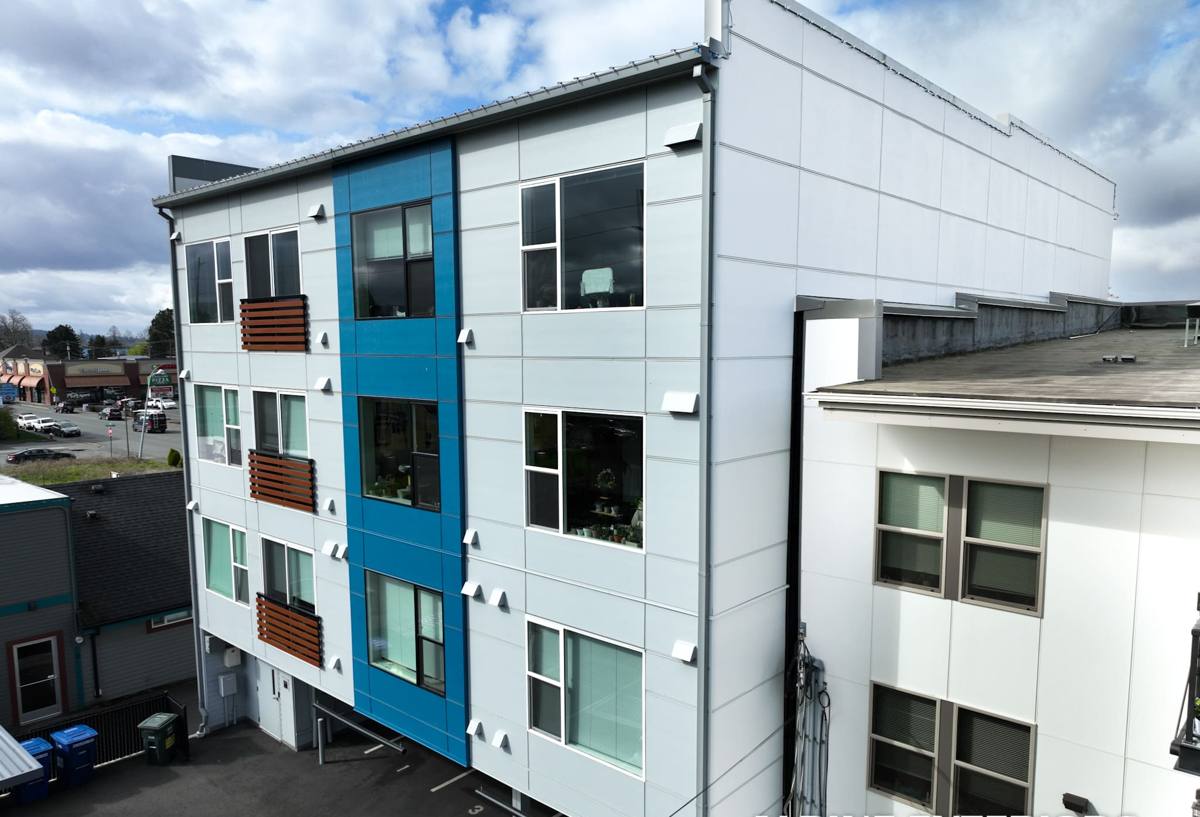
What Blaine's Weather Actually Does to Siding
Salt Air and Corrosion
Proximity to the water means airborne salt settles on every exterior surface, including siding, trim, and fasteners. Over time, salt exposure accelerates corrosion in unprotected metal fasteners and can degrade paint finishes that weren't formulated for it. Siding with a weak factory finish, or siding installed with the wrong fastener type, tends to show chalking, fading, or rust streaking well before its expected lifespan.
Driving Rain and Wind-Driven Moisture
Blaine catches wind off the water regularly, and that wind pushes rain sideways into wall assemblies rather than letting it simply run down and off. Siding systems depend on lap geometry, flashing, and a drainage path behind the cladding to handle this. When any of those details are missed, water finds its way behind the siding and into the sheathing — and that's where real damage starts, often invisibly, for years.
Moss and a Long Wet Season
Whatcom County's wet season runs long, and shaded north- and west-facing walls stay damp for extended stretches. Moss and algae take hold on surfaces that hold moisture at the surface, and once established, they trap even more water against the siding. This is less about the material rotting outright and more about ongoing moisture exposure shortening the life of paint, caulk, and — on the wrong products — the substrate underneath.
Why Fiber Cement Is the Right Call for This Neighborhood
Fiber cement is cement, sand, and cellulose fiber — it doesn't absorb water the way wood-based products do, it won't rot, and it isn't a target for the insects that go after organic siding materials. That combination matters a lot on a home exposed to constant marine moisture. It also holds paint and factory finishes far more stably than vinyl, which can warp, fade unevenly, or become brittle under UV and temperature swings near the water.
We install James Hardie fiber cement exclusively — not because it's the only fiber cement product on the market, but because it's engineered specifically for climate zones like ours (Hardie calls this their HZ5 product line for the Pacific Northwest), backed by a factory-applied ColorPlus finish designed to resist fading and hold up to the weather without needing repainting on the same schedule as field-painted siding.
| Material | Moisture / Salt Air Behavior | Moss Resistance | Typical Maintenance |
|---|---|---|---|
| James Hardie Fiber Cement | Doesn't absorb water; non-combustible; factory finish holds up to salt air | Surface can still host moss without cleaning, but material itself isn't degraded by it | Occasional rinse, periodic caulk check |
| Vinyl Siding | Can warp or become brittle with UV and temperature swings; seams can allow water intrusion | Similar surface risk; harder to clean without cracking | Low, but limited repair options once damaged |
| Cedar / Untreated Wood | Absorbs moisture, prone to rot in shaded, wet areas | High — organic surface, moisture retention | Regular repainting/staining, rot inspection |
| Primed Engineered Wood (e.g. LP-type) | Wood-based core; edge and cut-end sealing is critical near moisture | Moderate to high if finish is compromised | Ongoing finish maintenance, edge sealing |
What a Correct Fiber Cement Installation Involves Here
A Working Drainage Gap
In a climate that drives rain into walls, the space behind the siding matters as much as the siding itself. A proper installation includes a drainage plane and, on most Peace Arch area homes, a rainscreen gap that lets any moisture that gets behind the cladding drain and dry out rather than sitting against the sheathing.
Flashing at Every Transition
Windows, doors, roof lines, and butt joints are where water intrusion actually starts. Flashing has to be installed in the correct order — under the housewrap on top, over it on the bottom — at every one of these transitions. This is detail work, and it's the single most common place a rushed installation fails years later.
Fastening and Fastener Choice
Given the salt air, fastener material and placement matter more here than in a drier inland climate. Hardie specifies fastener type, spacing, and blind- vs. face-nailing requirements by product and exposure; following those specs — not shortcuts — is what keeps panels tight and prevents streaking around fastener heads over time.
Joints, Caulk, and Factory Finish
Butt joints between planks are a common failure point if left uncaulked or caulked with the wrong product. ColorPlus-finished Hardie siding is factory-cured and far more consistent than field-applied paint, but joints, cuts, and trim connections still need to be sealed correctly to keep water from working its way in from the edges.
Our Process for Peace Arch Area Homes
- On-site assessment of existing siding, sheathing condition, and exposure (sun, wind, and shade patterns specific to the lot)
- Check for moisture damage behind existing siding before any new material goes up — this determines whether repairs are needed before installation
- Product selection: lap profile, exposure width, and accent trim matched to the home and HZ5 climate specs
- Installation of drainage plane, flashing, and rainscreen detailing where called for
- Siding installation to manufacturer fastening and clearance specifications
- Trim, caulking, and touch-up of factory-finished cut edges
- Final walkthrough covering what was done and what maintenance to expect going forward
Product Choices That Make Sense for This Area
Most Peace Arch area homes do well with HardiePlank lap siding as the primary field material — it handles wind-driven rain well when installed with correct lap and fastening. HardieShingle is a common accent choice for gables or feature walls where a textured look is wanted, and HardieTrim finishes out corners, fascia, and window surrounds with the same non-combustible, moisture-stable material rather than mixing in wood trim that will age differently than the field siding. ColorPlus finishes are worth prioritizing over field-painted options here specifically because of the salt air — a factory-cured finish holds color and integrity longer than paint applied on site.
Maintenance Checklist for Coastal Whatcom County Homes
- Rinse siding annually to remove salt residue and surface grime, especially on walls facing prevailing wind
- Inspect caulking at joints, trim, and window/door transitions yearly and re-caulk as needed
- Keep gutters clear so runoff isn't sheeting down the siding face
- Trim back vegetation and landscaping that keeps shaded walls damp longer than necessary
- Check shaded, north-facing sections for early moss growth and clean before it spreads
- Watch for any soft spots or discoloration near ground level or roof transitions — early signs of a flashing or drainage issue
What This Job Costs, and What Drives the Price
Every home is different, but the same handful of factors move the price on a fiber cement siding job in this area more than anything else.
| Cost Factor | Why It Matters |
|---|---|
| Tear-off vs. new construction | Removing and disposing of existing siding, and repairing any sheathing damage found underneath, adds labor |
| Home size and number of stories | More wall area and taller walls both increase material and labor, and multi-story work requires more setup |
| Trim and architectural detail | Homes with more corners, gables, and window/door transitions require more flashing and cutting labor |
| Accent products | Adding HardieShingle accents or upgraded trim profiles costs more than a single-profile lap installation |
| Site access and exposure | Wind exposure and site access can affect scheduling and setup time in this area more than in sheltered inland lots |
We give straightforward, itemized estimates rather than vague ballpark numbers, because the honest answer depends on what we find once we're looking at the actual walls.
Why Hiring a Crew That Already Works This Area Matters
Blaine and the surrounding Whatcom County shoreline aren't like every job site. A crew that regularly works the Peace Arch area already understands how the wind and rain patterns here behave against a wall, knows how to plan around weather windows during the wet season, and isn't guessing at flashing and drainage details on a climate they don't normally build for. That experience shows up in the details that don't get noticed until years later — the flashing lap that was done right, the fastener spacing that was followed instead of eyeballed, the drainage gap that was actually installed instead of skipped to save time.
It also matters for permitting and code compliance specific to Whatcom County and the City of Blaine, which a crew working here regularly already has a working relationship with, rather than learning the process on your project.
If you're planning a siding project near the Peace Arch area and want a straight answer on what your home actually needs, we're happy to take a look and put together a free, no-pressure estimate — no obligation, just an honest assessment of what's going on with your exterior.