 Blaine
 Windows in Peace Arch Face a Different Set of Problems
Peace Arch sits about as close to the water and the border as a Blaine neighborhood gets, and that location shapes what happens to a window over time. Homes here take a steady diet of salt-laden air off Semiahmoo Bay and the Strait of Georgia, wind-driven rain that hits window walls at an angle rather than falling straight down, and a wet season that runs long enough to grow moss on anything that stays damp. None of that is unique to any one house — it's just the baseline climate this part of Whatcom County lives with. Window replacement here isn't only about swapping out an old sash for a new one; it's about specifying and installing a window that can actually take that punishment year after year.
We work Blaine and the surrounding Whatcom County neighborhoods regularly, and Peace Arch is one we know well. That matters more than it sounds like it should, because the right approach to flashing, sealant, and glazing selection changes depending on how exposed a given block is to salt spray and prevailing wind. A window package that's fine three miles inland can fail early on a lot that catches wind straight off the water.
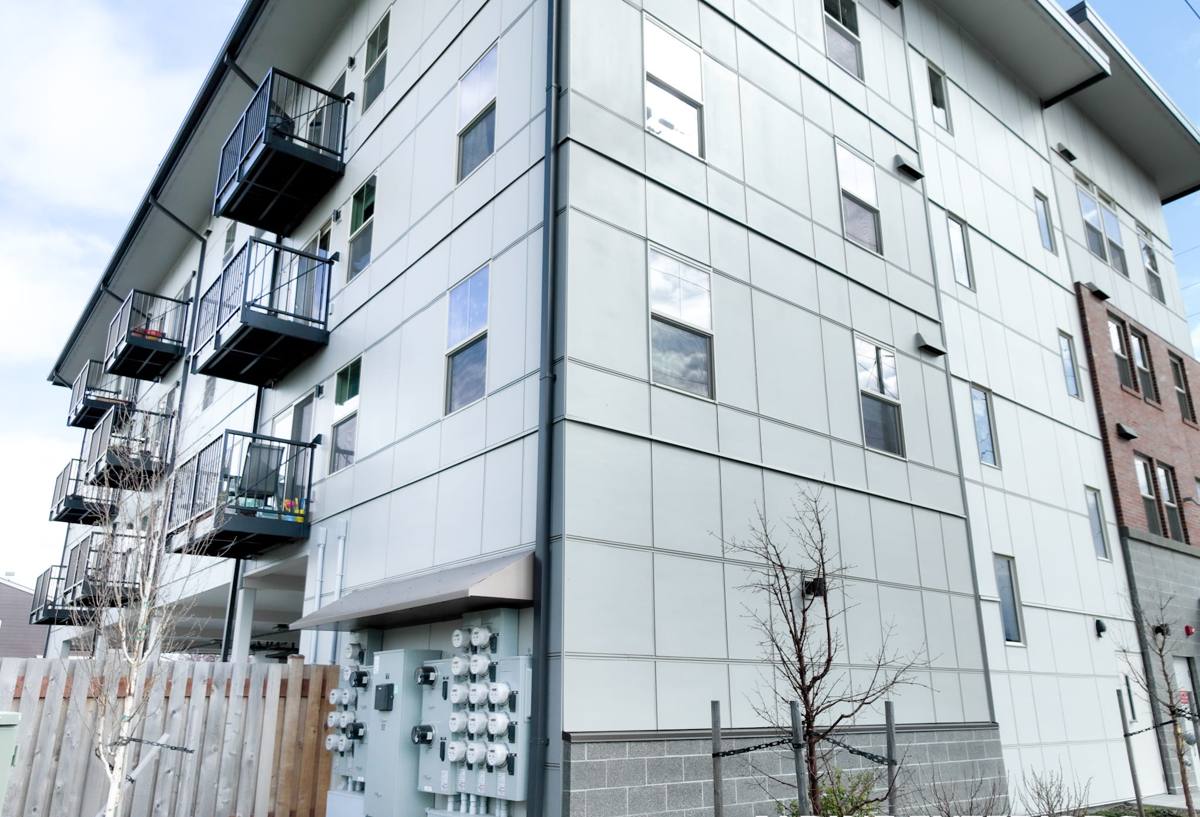
How Salt Air and Driving Rain Actually Damage a Window
It helps to understand the failure mechanisms, because they explain why some of our recommendations differ from what a big-box retailer or an out-of-area installer might suggest.
Salt air and metal components
Salt in the air accelerates corrosion on hardware — hinges, cranks, locks, and especially unprotected aluminum or steel fasteners. Over years, this shows up as stiff or seized hardware, pitting on exposed metal trim, and premature failure of lesser-grade weatherstripping clips and balances.
Wind-driven rain and water intrusion
Rain that's being pushed sideways by wind behaves differently than rain falling straight down. It gets forced up under sills, into gaps around trim, and behind cladding at the window's edges if the flashing detail isn't built for it. A window can be watertight in a calm rain and still leak during a wind event if the surrounding flashing and sealant weren't installed with wind-driven rain specifically in mind.
Moss, moisture, and rot
Whatcom County's long wet season keeps wood trim and sills damp for extended stretches, which is exactly what moss and mildew need to take hold. Once moss establishes itself on a sill or in a corner joint, it holds moisture against the wood even longer, which speeds up rot in any trim that isn't properly sealed or that's already lost paint or finish.
What a Correct Window Replacement Job Involves
A window replacement is really three jobs stacked together: removing the old unit without damaging the opening, correcting whatever water management issues exist in that opening, and installing the new window so it performs for its full warranty life and beyond.
Assessment before removal
Before we pull a single window, we look at the condition of the framing and sill underneath. In a coastal-influenced neighborhood like Peace Arch, this is the step that catches hidden rot or corrosion that a straightforward "measure and replace" approach would miss.
Flashing and sealant, not just caulk
The single biggest difference between a window that lasts and one that leaks within a few years usually isn't the window itself — it's what's underneath it. Proper flashing tape and a correctly lapped water-resistive barrier, installed so water sheds outward and downward at every layer, matters more in a wind-driven-rain climate than in a calmer one. Sealant has a role, but it's a backup layer, not the primary defense.
Hardware and glazing selection
Given the salt air exposure, we lean toward hardware and finishes with better corrosion resistance, and we're upfront when a cheaper hardware package is likely to need earlier attention. On glazing, insulated units with a warm-edge spacer system hold up better against condensation cycling, which matters through a long, damp Whatcom County winter.
Interior and exterior finish work
Once the window is set, level, and flashed, trim and finish work needs to seal out the same wind-driven rain conditions, with attention to any wood trim that will be exposed to prolonged dampness.
Choosing Materials That Make Sense for This Location
There's no single "best" window material for every house — the right call depends on exposure, budget, and how the house is built. Here's how the common options compare for a property like the ones in Peace Arch:
| Material | How it handles salt air & moisture | Maintenance | Typical trade-off |
|---|---|---|---|
| Vinyl | Doesn't corrode; performs well near the water | Low | Fewer color/finish options than wood or fiberglass |
| Fiberglass | Very stable, resists corrosion and moisture-driven warping | Low to moderate | Higher upfront cost |
| Aluminum-clad wood | Good exterior protection, but hardware and any exposed metal need a marine-grade finish near salt air | Moderate | Interior wood still needs periodic attention |
| Bare wood | Most vulnerable to a long wet season and salt exposure without diligent upkeep | High | Best traditional look for period homes, at a maintenance cost |
We'll walk through this table against your actual house — its orientation, how exposed it is to wind off the water, and what look you're going for — rather than defaulting to one material for every job.
Our Process for Peace Arch Homes
- On-site assessment — we look at each opening, note existing water damage or corrosion, and check how exposed the house is to prevailing wind and salt spray.
- Honest product recommendation — we walk through material and hardware options with real trade-offs, not just the highest-margin option.
- Correct removal — old units come out carefully so we can inspect and, if needed, repair the framing and sill underneath.
- Water management first — flashing and the water-resistive barrier get installed to shed wind-driven rain before the new window ever goes in.
- Precise installation — the window is set level, plumb, and square, then fastened and sealed to the manufacturer's specification.
- Finish work — interior and exterior trim is completed and sealed against the same moisture conditions the rest of the house deals with.
- Final walkthrough — we check operation, locks, and weatherstripping with you before calling the job done.
Signs a Peace Arch Home Needs Window Replacement Soon
- Visible moss or persistent green staining around sills or lower corners
- Hardware that's stiff, corroded, or won't lock properly anymore
- Fogging or moisture between panes of an insulated glass unit
- Soft or discolored wood trim around the window frame
- Drafts or a noticeable temperature difference near the window on windy, rainy days
- Paint or finish that's peeling faster near windows than on the rest of the exterior
- Difficulty opening or closing sashes, especially after damp weather
Why Local Experience in Peace Arch Matters
A window that's specified correctly for a sheltered neighborhood a few miles inland can be under-built for a lot that takes wind straight off Semiahmoo Bay or the Strait. Knowing which blocks in Peace Arch see the harshest salt exposure, and which are more sheltered by terrain or tree cover, changes what we recommend for flashing detail, hardware finish, and even how aggressively we push toward vinyl or fiberglass over painted wood. That's the kind of judgment that only comes from having worked windows in this specific area, not just in Whatcom County generally.
We also know this climate doesn't forgive shortcuts. A rushed flashing job or a caulk-only approach to water management might hold up through a dry summer, but it gets tested hard the first time a real wind-driven rain event comes through off the water. Because we're a local crew, we're also the ones who'll hear about it — and come back — if something isn't right. That accountability shapes how carefully the work gets done the first time.
Planning Your Window Replacement
Timing matters less for windows than for some other exterior work, but scheduling around the wettest stretches of the year still makes for a cleaner, faster installation with less risk to your home's interior during the swap. We'll talk through timing as part of the estimate, along with realistic expectations on how many windows can be done per day and what disruption to expect inside the house.
If you're weighing whether it's time to replace windows in your Peace Arch home, we're happy to take a look and give you a straightforward assessment — no pressure, and no upsell to work you don't need. Reach out for a free estimate using the form below, and we'll walk your home's specific exposure and needs with you in person.