 Blaine
 Grandview's Coastal Climate Is Hard on Windows
Grandview sits in one of the wetter, saltier corners of Whatcom County, and windows here take a beating that inland homes never see. The marine air rolling off the water carries salt that works into aluminum hardware, vinyl weld joints, and exposed fasteners over time. Add in driving rain that comes sideways during winter storms, and you've got water finding its way into gaps that would stay dry in a calmer climate. On top of that, Blaine's long, damp moss season keeps north-facing trim, sills, and siding around windows wet for weeks at a stretch, which accelerates rot wherever water has a way in.
None of this means windows fail fast here. It means the installation has to account for conditions that a lot of national window crews never train for. A window that's a great fit for a dry, inland climate can still leak, fog, or rot out its frame in Grandview if it isn't flashed and sealed for what this area actually throws at a house.
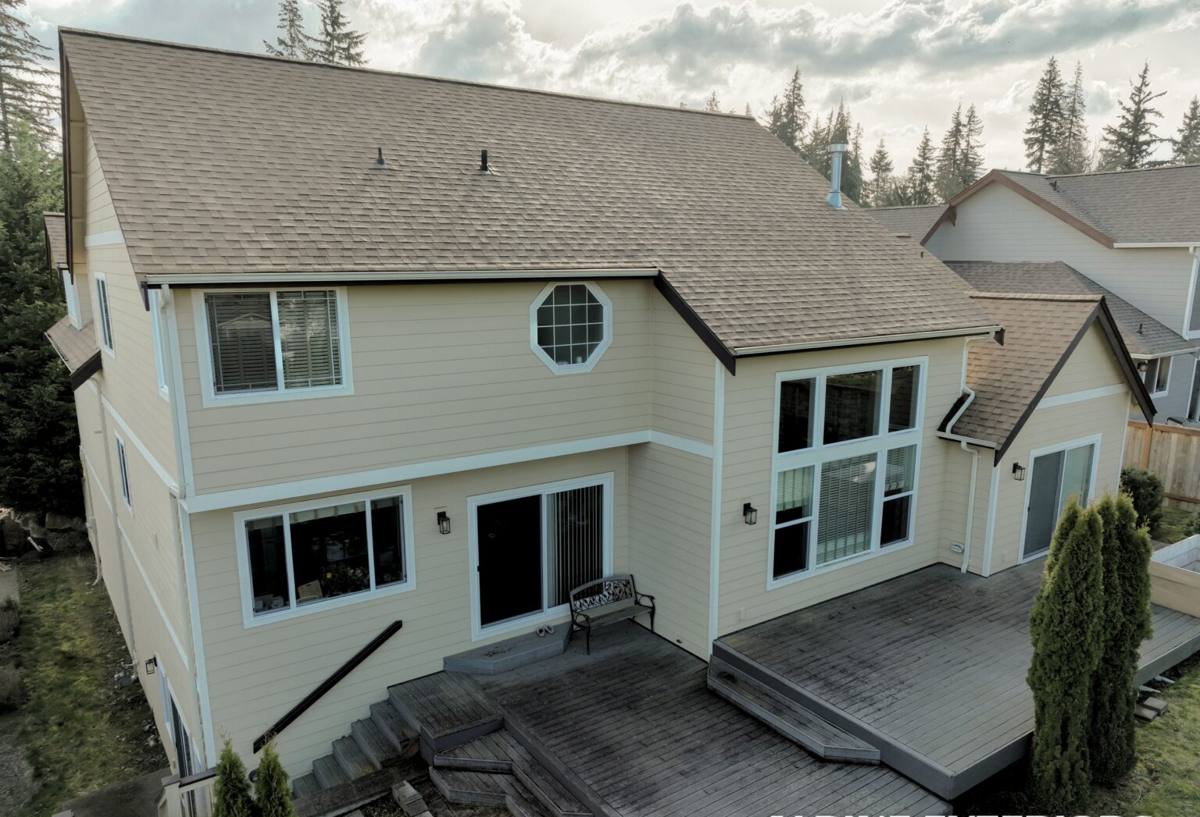
Signs Your Grandview Home May Need New Windows
Most homeowners don't replace windows because they woke up wanting new ones — they replace them because something started going wrong. In this area, the early warning signs are usually tied to moisture, not just age.
- Fogging or a milky haze between the panes — the seal has failed and the gas fill is gone
- Soft, discolored, or spongy wood on the sill or trim, especially on north- or west-facing walls
- Drafts you can feel around the frame even when the window is latched shut
- Paint that keeps bubbling or peeling near the window frame no matter how often it's redone
- Visible gaps, cracked caulk lines, or daylight showing around the frame from inside
- Windows that are difficult to open, close, or lock — often a sign the frame has swelled or shifted
- A musty smell near the window that doesn't go away with cleaning
Any one of these on its own might just need a repair. Several at once, especially on the same window, usually means the unit or its flashing has failed and replacement is the more honest fix.
What a Correct Window Replacement Involves
Swapping in a new window is the easy part. What actually determines whether it lasts is everything you don't see once the trim goes back on — the flashing, the sill pan, and how the window ties into the wall's moisture barrier. In a climate that gets driving rain off the water, this is where cheap installs fail.
A correct install starts with removing the old unit and inspecting the rough opening for hidden rot or old water damage before anything new goes in. We install a sloped sill pan so any water that does get past the window sheds outward instead of pooling on the sill. Flashing tape integrates with the house wrap in the correct shingle-lap order — top piece over the sides, sides over the sill — so water is always directed down and out, never trapped behind the siding. Only after that structural work is right does the new window get set, shimmed level and square, and sealed with the correct combination of backer rod, sealant, and low-expansion foam.
Frame Materials That Hold Up to Salt Air
Frame material matters more here than in a drier inland market. Salt air is corrosive to certain hardware and finishes, and constant damp cycling stresses joints that aren't built for it.
| Frame Material | How It Handles This Climate | Maintenance |
|---|---|---|
| Vinyl | Good moisture resistance, won't rot; quality varies a lot by manufacturer | Low — occasional cleaning |
| Fiberglass | Excellent stability in wet, temperature-swinging conditions; resists warping | Low |
| Wood (unclad) | Attractive but vulnerable to the driving rain and moss-season dampness here | High — regular repainting/sealing |
| Wood-clad (aluminum or vinyl exterior) | Interior wood look with a weather-resistant exterior shell | Moderate — depends on cladding quality |
| Aluminum | Strong but conducts cold and can corrode faster in salt air without a good finish | Moderate |
We don't push one brand or material on every job. What we won't do is install bare wood exteriors facing the weather side of a Grandview home without a clear conversation about the upkeep that choice requires — it's a legitimate option, but it's not a low-maintenance one in this climate, and homeowners deserve to know that before they commit.
Glass Packages Worth Considering
Double-pane, low-E glass with argon fill is the baseline we recommend for most Grandview homes — it handles the temperature swings and condensation risk well without a big cost jump. Triple-pane is worth discussing for rooms that face the weather directly or for homeowners prioritizing sound dampening and energy performance, though it adds cost and weight. Whatever the glass package, the weatherstripping and hardware need to be rated for coastal use, since that's often what fails before the glass itself does.
Our Window Replacement Process
- Free on-site estimate — we look at each window, check for hidden moisture damage, and talk through what's actually needed versus what's optional
- Written quote — clear pricing by window, material options explained honestly, no pressure to decide on the spot
- Scheduling around the weather — we plan installs to minimize how long any opening sits uncovered, which matters more here than in drier regions
- Removal and opening inspection — old units come out and we check the rough opening for rot before installing anything new
- Flashing and sill pan installation — the moisture-management work that determines long-term performance
- Window set, sealed, and trimmed — leveled, shimmed, insulated, and finished to match the home
- Final walkthrough — every window opens, closes, and locks properly before we consider the job done
Mistakes We See in Older Grandview Installations
A lot of the repair and replacement calls we get in Grandview trace back to shortcuts taken on a previous install, not a bad window itself. The most common one is relying on caulk alone to keep water out instead of proper flashing — caulk is a maintenance item, not a moisture barrier, and it will eventually crack or shrink. We also regularly find window openings where house wrap was cut but never properly lapped back over the flashing, which quietly funnels water behind the siding for years before anyone notices the damage. Another recurring issue is trim and sills painted over rot instead of being replaced, which hides the problem rather than solving it. None of these mistakes show up on install day — they show up two or three winters later, which is exactly why the unseen details matter more than the window brand on the sticker.
What Window Replacement Costs in Grandview
Every home is different, and the honest answer is that cost depends heavily on the factors below rather than a flat per-window price. Here's what actually moves the number up or down.
| Cost Factor | Why It Matters |
|---|---|
| Frame material | Fiberglass and higher-grade vinyl cost more upfront than budget vinyl or bare wood |
| Glass package | Triple-pane and specialty coatings add cost over standard double-pane low-E |
| Hidden rot or water damage | Rotten framing found during removal needs repair before a new window can be installed correctly |
| Window size and configuration | Larger units, custom shapes, and multi-panel setups cost more than standard sizes |
| Number of windows | Doing several at once is typically more cost-efficient per window than one-off replacements |
| Trim and finish work | Matching existing exterior trim or interior casings adds labor and material |
We give a written, itemized estimate before any work starts, so there's no guessing about what's included or why the price is what it is.
Why Local Experience in Grandview Matters
Anyone can sell a window. Installing it correctly for this specific stretch of Whatcom County coastline is a different skill. A crew that regularly works Grandview and the surrounding Blaine area already knows which wall orientations take the worst of the driving rain, how far moss and algae growth can travel from a shaded roofline down onto window trim, and how quickly an open rough opening can take on water if a storm rolls in off the water mid-project. That local pattern recognition shapes scheduling decisions, material recommendations, and flashing details in ways a crew unfamiliar with this climate simply won't think to plan for. It also means we're not guessing at permitting or local building department expectations — we've been through the process here before.
Keeping New Windows Performing Through Moss Season
A correctly installed window shouldn't need much attention, but a little seasonal upkeep goes a long way in this climate. Keep gutters and downspouts near windows clear so overflow doesn't run down the trim. Rinse accumulated moss, pollen, and grime off sills and tracks a couple of times a year, particularly on shaded or north-facing walls where moss season lingers longest. Check that caulk lines around the frame stay intact and re-seal small cracks before they widen — catching it early is a five-minute job instead of a repair. And if a window ever starts sticking, fogging, or feels drafty, it's worth a look sooner rather than later, since moisture problems in this climate tend to compound the longer they sit.
If your Grandview home has windows showing any of these signs, or you're planning ahead before the next round of winter storms, we're happy to take a look. Use the form below to request a free, no-pressure estimate — we'll walk the exterior, answer your questions honestly, and give you a clear picture of what's actually needed.