 Blaine
 Blaine Harbor sits right where the exterior of a house meets its toughest daily test in Whatcom County — salt-laden air off the water, wind-driven rain that comes in sideways more often than straight down, and a shaded, damp season that can stretch most of the year on north-facing walls. Windows take the brunt of that exposure more than almost any other part of the house, because they're a mechanical assembly with seals, hardware, and moving parts sitting directly in the weather. When a window's energy performance breaks down here, it's rarely just about a slightly higher power bill. It's usually a sign that the seals, frame, or flashing are already losing the fight against the climate.
We treat energy-efficient window work on Blaine Harbor as its own category, separate from a generic replacement job somewhere inland. The glass package, the frame material, and the installation sequence all need to account for sustained coastal moisture and wind exposure in a way that manufacturer guidance written for an average climate doesn't fully cover. This page walks through what that actually means for a harbor-area home.
Why Energy Efficiency and Weather Resistance Are the Same Problem Here
On a lot of homes, energy efficiency and weatherproofing get talked about as two separate concerns — one about comfort and utility bills, the other about keeping water out. On Blaine Harbor, they're the same problem wearing two names. A window that's losing its seal to constant moisture and salt exposure is also a window that's leaking conditioned air, letting in drafts, and fogging between panes. The energy loss is usually the first symptom homeowners notice; the underlying cause is almost always a seal or frame that's been degrading under coastal conditions for years.
That's why we don't look at an energy-efficient window job as just swapping in better glass. The frame material, the installation flashing, and the hardware all have to hold up to the same conditions that are breaking down the window it's replacing, or the new one will follow the same path.
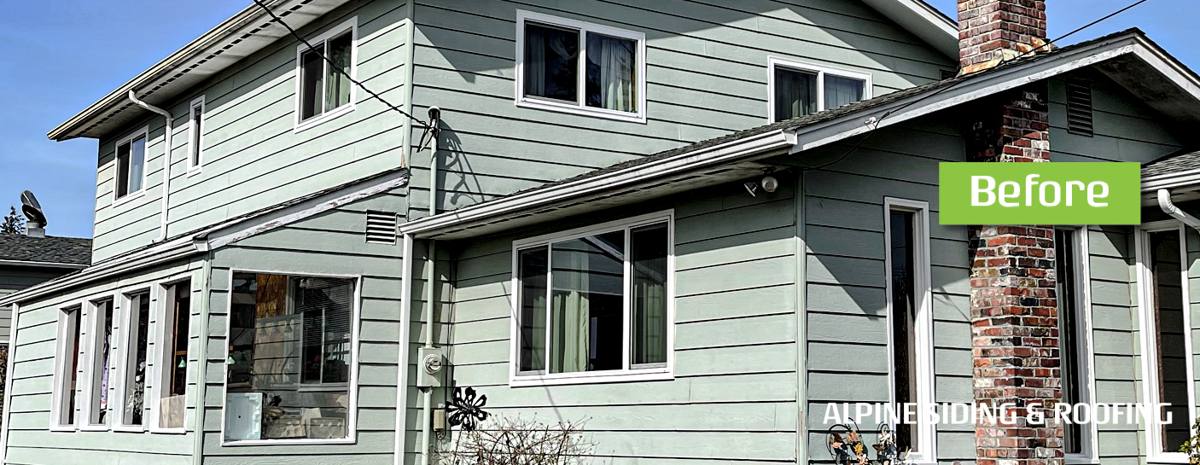
The Climate Factor: Salt Air, Driving Rain, and Moss Season
Salt Air and Hardware Corrosion
Airborne salt off the harbor accelerates corrosion on hinges, locks, balance mechanisms, and fasteners well beyond what a manufacturer's standard warranty testing accounts for. Lower-grade hardware can start showing pitting and stiffness in a fraction of the time it would take a few miles inland. Once hardware corrodes, windows stop sealing tightly even if the glass itself is fine, and that gap is where energy performance quietly disappears.
Wind-Driven Rain and Flashing
Storms off the water push rain into wall assemblies and window openings rather than letting gravity carry it straight down, which means flashing details that would be adequate in a calmer setting get tested constantly here. Water that gets behind a poorly flashed window doesn't just risk rot — it also finds its way into insulation and framing, undermining the very energy performance a new window is supposed to deliver.
Moss and Moisture on Shaded Walls
North-facing and shaded exterior walls around Blaine Harbor stay damp for long stretches of the year, which supports moss and mildew growth on trim, sills, and cladding. That sustained dampness works against wood components in particular, softening trim and sills faster than in a drier climate, and it's a factor we weigh when recommending frame and trim materials for a specific opening.
What "Energy-Efficient" Actually Means for a Harbor Home
Glass and Coatings
Modern energy-efficient windows rely on low-emissivity (low-E) coatings and insulated multi-pane glass with gas fill between the panes to slow heat transfer. For a Blaine Harbor home, the glass package matters for comfort and utility costs the same way it would anywhere in the Pacific Northwest — but the coating and seal quality also need to hold up to sustained moisture exposure without breaking down early. A lower-tier unit might perform fine on paper in a showroom and still fail early once it's living a few hundred feet from saltwater.
Frame Material Trade-offs
Frame material affects both energy performance and how well the window survives this environment. Vinyl and fiberglass frames generally resist coastal moisture and salt exposure with less ongoing maintenance than an all-wood exterior finish, which is why we lead with them on weather-facing installs here. Wood-framed windows with proper protection and upkeep can still perform well and are sometimes the right call for a specific look, but they carry a higher maintenance burden in a climate that doesn't give wood many breaks. We'll walk through the honest trade-offs for your specific openings rather than defaulting to one material for every job.
Signs Your Current Windows Are Losing the Fight
A lot of homeowners on Blaine Harbor don't realize their windows have crossed from "fine" into "costing money" until they know what to look for. These are the signs we see most often on aging windows in this area:
- Visible condensation or fogging between the panes of a double- or triple-pane window, which means the seal has failed
- Noticeable drafts near the frame, especially during wind events off the water
- Hardware that's stiff, pitted, or won't latch tightly anymore
- Soft or discolored trim and sills, particularly on shaded or north-facing walls
- Visible daylight or gaps around the frame when the window is closed
- Rooms near windows that feel noticeably colder or draftier than the rest of the house
- A jump in heating costs that isn't explained by anything else changing in the house
Any one of these can usually be repaired or lived with for a while. Several showing up together on the same window, especially on a weather-facing wall, usually means replacement will cost less over time than continuing to patch a failing seal.
What a Correct Installation Involves
Assessment and Measuring
We start by looking at each opening individually rather than assuming every window on the house needs the same treatment. Weather-facing walls, especially those catching wind off the harbor, often need more attention than sheltered sides of the same house. We measure carefully and check the condition of the existing framing and sill before ordering anything.
Removal and Opening Prep
Removing the old window is also when we find out what's actually happening behind the trim — soft framing, old flashing that was never sealed correctly, or moisture damage that's been building for years. Any of that gets addressed before a new window goes in, because installing a high-performance window into a compromised opening just hides the real problem for another few years.
Flashing and Weatherproofing
This is the step that determines whether a window's energy performance actually lasts in this climate. Every opening gets flashed to shed water outward and downward, with attention to the head flashing and sill pan details that matter most when rain is being driven sideways by wind. We don't treat this as a generic step pulled from a manufacturer's installation sheet — it's built around the specific wall and exposure.
Installation and Sealing
The window gets set square and level, shimmed correctly so it isn't stressed in the frame, and sealed with materials rated for sustained exterior and coastal exposure rather than a general-purpose caulk that degrades faster in salt air.
Finish and Trim
Exterior trim gets integrated to match the surrounding siding and finished in a way that sheds water rather than trapping it against the wall, which matters more on the shaded, moss-prone sides of a harbor-area home.
Frame Material Comparison for Blaine Harbor Conditions
| Factor | Vinyl | Fiberglass | Wood (Clad or Solid) |
|---|---|---|---|
| Coastal moisture resistance | Strong; won't rot or corrode | Strong; very stable in moisture and temperature swings | Requires ongoing maintenance and protection to hold up |
| Maintenance | Low | Low | Higher — finish and sealant need regular attention |
| Energy performance | Good, especially with multi-chamber frames | Very good; low expansion and contraction helps seal longevity | Good when properly maintained and sealed |
| Upfront cost | Lower | Mid to higher | Higher, especially for clad options |
| Best fit here | Most weather-facing replacements | Larger openings or higher-exposure walls | Interior-visible sightlines where look matters most, paired with protected placement |
What actually drives cost on a given job is fairly consistent: the number and size of openings, frame material, glass package, whether any framing or flashing repair is needed once the old window comes out, and how exposed the wall is to wind and rain. We won't quote a number without seeing the openings in person, but we'll walk through which of these factors apply to your home before you commit to anything.
Our Process, Start to Finish
- On-site assessment — we look at each opening, check the condition of the existing frame and sill, and note which walls carry the most wind and rain exposure
- Honest recommendation — frame material, glass package, and scope, explained with the reasoning behind it rather than a one-size answer
- Removal and opening prep — the old window comes out carefully, and any hidden framing or flashing issues get addressed before the new unit goes in
- Installation and flashing — the new window is set, shimmed, and flashed to a sequence built for wind-driven rain, not a generic template
- Sealing and trim — exterior sealant and trim are finished to shed water and match the surrounding siding
- Final check — we walk the finished openings with you before calling the job done
Why a Local Blaine Harbor Crew Matters
Manufacturer installation guidance is written for average conditions in a moderate climate, and Blaine Harbor doesn't fit that description. A crew that works this stretch of Whatcom County regularly knows which parts of standard installation guidance are worth extra time here — the sill pan detail on a wind-facing wall, the hardware grade that actually holds up to salt air, the trim material that won't soften under a long moss season — because they've seen what happens when those details get skipped on a nearby house.
That local experience shows up in decisions that don't come up in a sales conversation: how much lap a flashing course needs on a wall that takes rain sideways most winters, which frame materials are worth the extra cost on a harbor-facing opening versus a sheltered one, and when a sill needs a sloped detail instead of relying on sealant alone. Those choices are what decide whether an energy-efficient window is still performing tightly in fifteen years or drafting and fogging in five.
What to Ask Before Hiring for Window Work Here
- Ask how they handle flashing and sill details specifically for wind-driven rain, not just a general answer
- Ask which frame materials they recommend for weather-facing walls versus sheltered ones, and why
- Confirm current Washington contractor licensing and insurance
- Get a written scope of work, including what's covered under the window's warranty versus the installation labor warranty
- Ask whether they've worked on other homes in the Blaine Harbor area specifically
If your windows are drafting, fogging, or just costing more to heat than they should, it's worth having someone look at the actual openings before assuming a full-house replacement is the only option. We offer free, no-pressure estimates for energy-efficient window projects on Blaine Harbor and throughout the surrounding area — use the form below to get a time on the schedule.