 Blaine
 Why Dakota Creek's Setting Changes What a Deck Needs
The Dakota Creek area sits on Blaine's south side, where the creek that gives the neighborhood its name runs down through a mix of tree cover and open yard on its way toward the harbor. That setting gives homes here a different combination of conditions than a house sitting out in the open a few blocks away on Semiahmoo Bay. There's often more shade, more standing moisture under the canopy, and more organic debris falling onto outdoor surfaces — on top of the salt air and driving rain that reach every part of Blaine regardless of how close a given lot sits to the water.
A deck built for this specific mix of conditions needs to do more than survive rain and salt. It needs to resist moss and mildew in shaded spots that rarely fully dry out, shed needle litter and leaf debris without staining, and still hold up structurally through a long wet season. This page covers what a composite deck in the Dakota Creek area actually needs to get right, what a correct installation looks like, and why it matters to hire a crew that already knows this specific corner of Blaine.
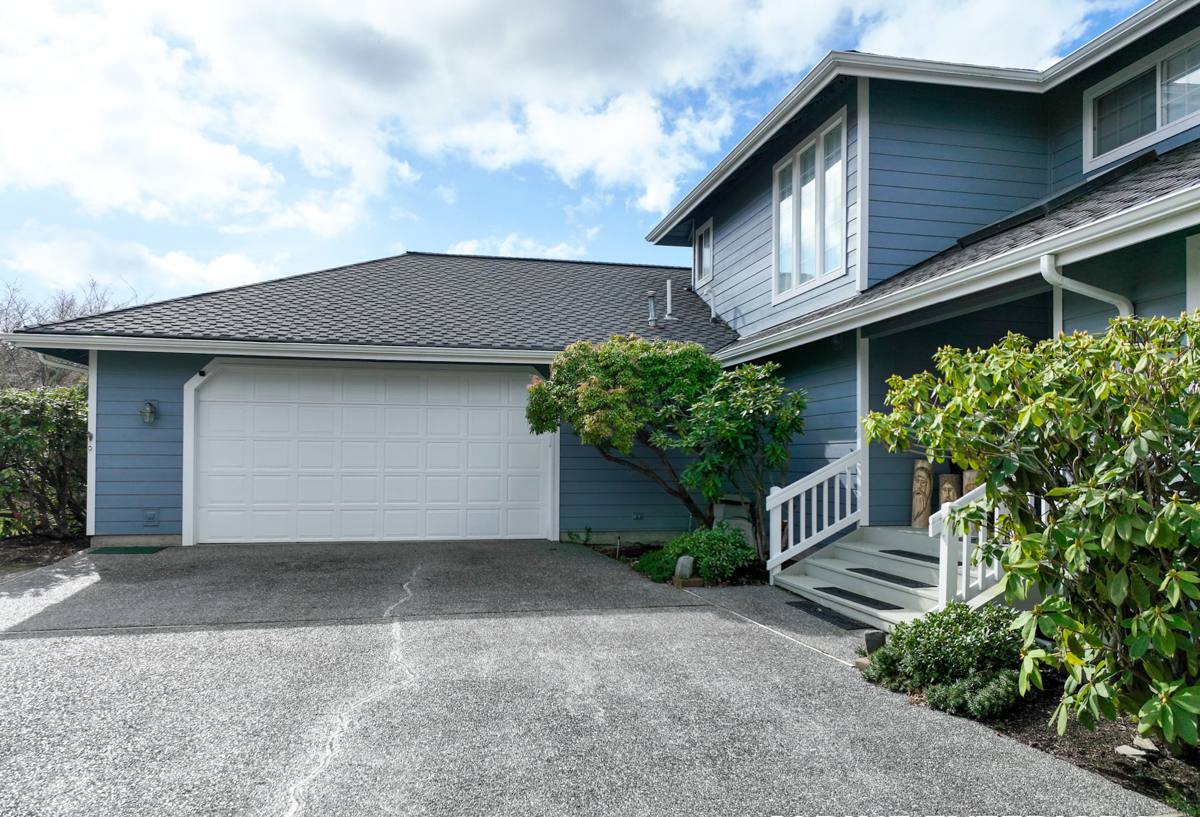
What the Local Environment Does to a Deck
Shade and Moisture from the Creek Corridor
Tree cover along the creek keeps a lot of Dakota Creek yards shadier than open lots elsewhere in Blaine, which sounds like a benefit until you're picking decking material. Shade means surfaces stay damp longer after rain, morning dew lingers into the afternoon, and airflow underneath and around the deck is often more restricted by fencing, landscaping, or the terrain near the creek itself. That combination is exactly what moss, algae, and mildew need to take hold, and once established on a porous surface, they're a recurring problem rather than a one-time cleanup.
Salt Air Still Reaches This Far Inland
Dakota Creek sits back from open water compared to a bayfront lot, but it's still well within range of the salt-laden air that moves through Blaine off Semiahmoo Bay and Drayton Harbor. Homeowners here sometimes assume being a few blocks from the water means salt exposure isn't a real factor, but corrosion in exposed fasteners and hardware shows up on a similar timeline to homes much closer in. It's just less obvious day to day, because the visible cues — salt haze on windows, that coastal smell — are weaker this far back from the shoreline.
Driving Rain, Needle Litter, and Debris
Blaine's storms come in off the water with real wind behind them, and that wind-driven rain doesn't behave like a calm, straight-down shower. It gets pushed sideways under railings and between boards that aren't gapped correctly, the same as anywhere else in town. What's different here is what rides along with it: conifer needles, leaves, and seed litter from the creek corridor's tree cover collect in board gaps and against fascia edges, holding moisture against the surface long after a storm passes and giving mold and staining a head start it wouldn't get on a more open lot.
Why Composite Decking Is Often the Right Call Here
Composite decking isn't the only material that can work in the Dakota Creek area, but its resistance to sustained moisture and its non-porous or near-non-porous surface make it a strong fit for a shaded, debris-prone yard. The category covers a wide range of quality, though, and the difference matters more here than it would on a dry, open lot.
Capped vs. Uncapped Composite
Capped composite boards wrap a wood-plastic composite core in a protective plastic shell, which keeps moisture, tannins from falling leaves and needles, and mildew spores from working into the material itself. Uncapped composite exposes that wood-plastic blend on all sides, so it can absorb moisture and stain more readily — a real liability in a spot that stays damp under shade for long stretches. We install capped composite as the standard for shaded, moisture-heavy lots like the ones common around Dakota Creek, because the cap layer is doing the actual work of keeping the surface clean and structurally sound over time.
What Composite Decking Doesn't Solve On Its Own
Composite resists moss and staining far better than wood, but it isn't immune to either. A capped board sitting under heavy shade with debris left to accumulate in the gaps will still develop surface grime and can still support algae growth on the cap layer, even though the material underneath stays protected. Board selection matters — some composite lines include a texture or color engineered to hide organic staining better than others — and so does the layout and drainage of the deck itself. Material choice and design work together here; neither one alone solves what the site presents.
What a Correct Composite Deck Installation Involves
The decking surface gets the attention, but on a shaded, moisture-prone lot the framing, fastening, and drainage details are what actually decide whether the deck holds up. A build done right for a Dakota Creek property includes:
- Framing material rated for sustained ground and ambient moisture, sized correctly for the span and load it needs to carry
- Stainless steel or coastal-grade corrosion-resistant fasteners throughout, since salt exposure reaches this area even without direct water frontage
- Hidden fastener systems on the deck surface where the product supports it, reducing exposed metal and leaving fewer places for debris and moisture to collect
- Correct board gapping for both drainage and airflow, sized so wind-driven rain and shaded moisture can actually clear rather than sit trapped between boards
- Proper ledger board flashing where the deck ties into the house, a common failure point in any wet climate and more so under sustained shade
- Joist spacing matched to the specific composite product's span rating rather than a generic layout
- Layout and orientation that account for the site's actual shade pattern and airflow, not a standard design dropped onto the lot regardless of tree cover
- Grading and ventilation underneath the deck so moisture from the surrounding yard doesn't collect against the framing between storms
Skip any of these and the deck can still look fine for a season or two. The shortfall shows up later — moss taking hold in a spot with poor airflow, a corroded fastener staining the boards around it, or framing that's stayed damp long enough to soften.
How Our Process Works
We start with a site visit to see what the lot is actually dealing with — tree cover and shade pattern through the day, drainage and grade near the creek side of the property if it's relevant, existing framing condition on a replacement job, and how the space is meant to be used. From there we go through composite product options that fit the budget and the site's specific shade and moisture exposure, since not every composite line performs the same way under sustained damp shade.
Permitting in Blaine and the rest of Whatcom County generally follows standard setback, structural, and drainage requirements, and we handle that as part of the job. Once permitted, the build follows the sequence above — substructure and framing first, matched to the site's actual exposure, then the composite surface, railing, and any trim or stair work. We close out with a walkthrough covering what the specific product you chose needs going forward, since even low-maintenance composite in a shaded spot benefits from a little more attention than the same product would need on an open, sunny lot.
Composite Decking Compared to the Alternatives
| Material | Moss & Algae Resistance in Shade | Salt Air & Moisture Handling | Upkeep | Relative Upfront Cost |
|---|---|---|---|---|
| Capped composite | Strong — non-porous cap resists growth and staining | Strong — cap layer blocks moisture absorption | Occasional washing | Moderate to higher |
| Cellular PVC | Excellent — fully non-porous surface | Excellent — no wood fiber to absorb moisture | Occasional washing | Higher |
| Uncapped composite | Fair — some moisture absorption invites growth | Moderate — more prone to staining over time | Periodic cleaning | Lower than capped |
| Cedar | Fair when sealed; poor once maintenance lapses | Moderate — needs regular sealing | Regular oiling or sealing | Moderate |
| Pressure-treated wood | Poor without regular treatment, worse in shade | Weak against sustained salt exposure over time | Regular sealing or staining | Lowest upfront |
Keeping a Composite Deck Performing Long-Term in This Setting
Composite decking asks for far less than wood, but "low-maintenance" isn't "no-maintenance," especially under tree cover. A few habits make a real difference here:
- Sweep or blow off needle litter, leaves, and seed debris regularly rather than letting it build up in board gaps and against fascia
- Rinse the surface periodically to clear salt residue, pollen, and organic buildup before it works into the cap layer
- Trim back branches and vegetation that hold moisture against the deck edge or block airflow across the surface
- Check railing posts and hardware once a year for early corrosion or loosening, particularly heading into the wet season
- Address any soft framing or standing water underneath right away — that's structural, and shaded, damp conditions make it worse faster than it would on an open lot
Why It Matters That We Already Work the Dakota Creek Area
A crew that mostly builds decks on open, sunny lots can still install composite decking competently, but a shaded, creekside property in Blaine has variables that don't come up as often elsewhere — moss and algae pressure that runs longer than it does on open ground, debris management that a standard maintenance plan doesn't account for, and salt exposure that's real even without direct water frontage. Working this specific part of Blaine regularly means we're not guessing at how those conditions interact. We know which composite lines actually hold up under sustained shade rather than just full sun, how to lay out a deck for airflow when the yard itself limits it, and what fastener grade is worth using regardless of how far the lot sits from open water.
That familiarity also shows up in smaller judgment calls — how tight to gap boards on a shaded run versus a sunny one, or being straightforward about how much cleaning a given product will actually need once the trees start dropping needles again.
Get a Straight Answer About Your Deck
Whether you're replacing an aging deck, building new, or just want an honest read on what composite decking would take on your Dakota Creek property, we're happy to walk the site with you and lay out the options plainly. Reach out below for a free, no-pressure estimate.