 Blaine
 Siding That Actually Holds Up Near California Creek
Homes along California Creek sit close to tidal water, low-lying ground, and open exposure to wind off Semiahmoo Bay and Drayton Harbor. That combination — salt-laden air, driving rain that comes in sideways more often than straight down, and a moss season that can stretch from October through April — is harder on exterior cladding than most manufacturers design for. We install James Hardie fiber cement siding exclusively, and on homes in this specific part of Whatcom County, the reasons why matter more than they do almost anywhere else we work.
This page isn't a generic siding pitch. It's what we've learned about what actually fails on California Creek homes, what a correct James Hardie installation looks like out here, and why the crew you hire needs to understand this microclimate before they ever nail up the first course.
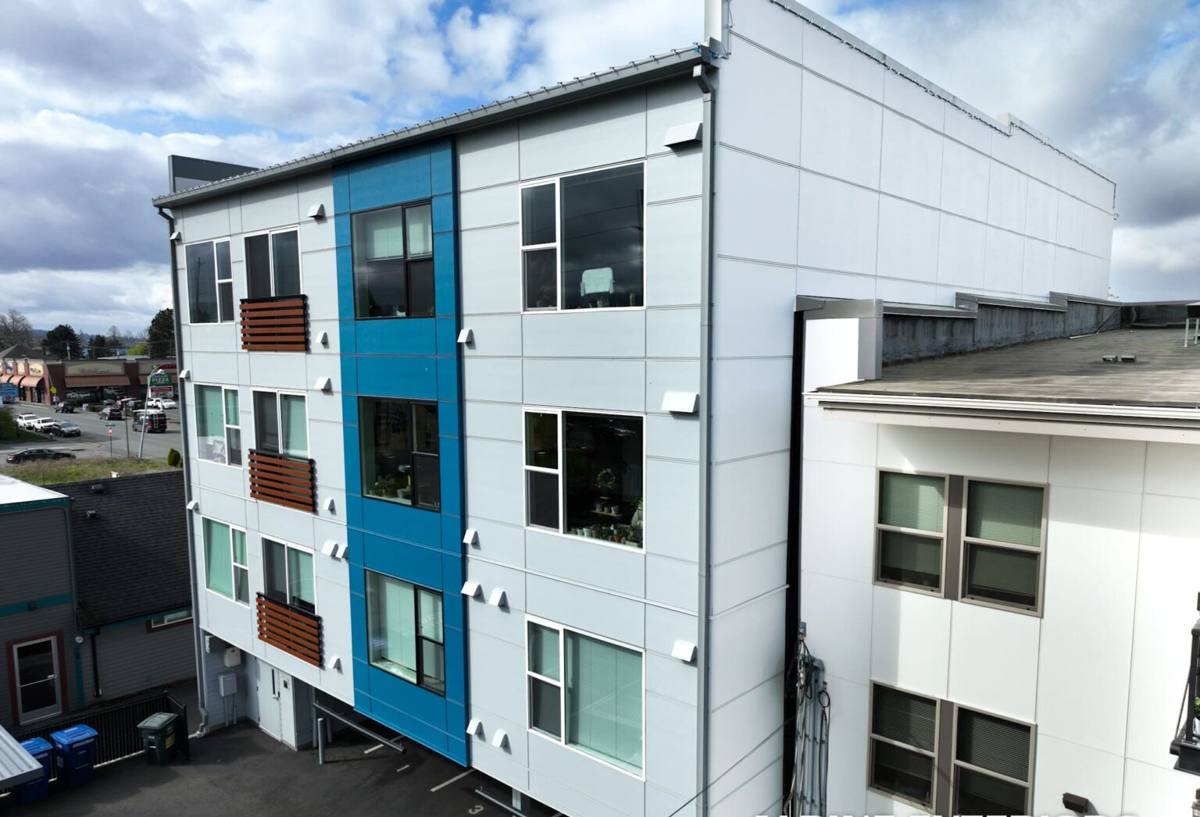
What This Climate Actually Does to a House
Salt Air and Metal Fatigue
Proximity to brackish tidal water means airborne salt settles on every exterior surface, not just near the shoreline. Salt accelerates corrosion on fasteners, flashing, and any exposed metal trim. Siding systems that rely on a lot of exposed metal detailing, or fasteners that aren't rated for coastal exposure, corrode faster here than the same product would twenty miles inland.
Driving Rain, Not Just Rainfall Totals
Blaine's annual rainfall isn't extreme by Pacific Northwest standards, but the wind direction off the water pushes rain horizontally into wall assemblies far more than in sheltered inland neighborhoods. That means water is being forced up and under laps, around penetrations, and into any gap a builder left too generous. Vertical rainfall tolerance on paper doesn't tell you much about how a product performs against wind-driven rain — real-world installation detail is what decides that.
Moss, Algae, and the Long Wet Season
Shade, moisture, and cool temperatures for most of the year create ideal conditions for moss and algae to colonize exterior surfaces. Once established, moss holds moisture against the wall surface long after the rain stops, which is exactly the condition that causes rot in wood-based products and accelerates coating breakdown on lower-grade finishes. A siding material's ability to shed moisture and resist organic growth on its surface is not a cosmetic issue here — it's a durability issue.
Why We Standardize on James Hardie for This Area
We don't install LP SmartSide, vinyl, Cemplank, Allura, primed spruce, or cedar. That's a deliberate standard, not a sales preference, and it matters more on California Creek than on a sheltered inland lot.
- Non-combustible core: Hardie's fiber cement composition doesn't feed a fire, which matters for insurance conversations and for peace of mind on a property exposed to wind.
- Engineered moisture behavior: Fiber cement doesn't absorb and swell the way wood-based products can when repeatedly saturated by wind-driven rain and held wet under moss growth.
- Factory-applied ColorPlus finish: The finish is baked on in a controlled environment rather than field-applied, which gives far more consistent resistance to fading, chalking, and the kind of surface breakdown that gives moss and mildew something to grip onto.
- HZ5 product engineering: Hardie's HZ5 line is engineered for wetter, more variable climates like ours, with moisture and freeze-thaw performance built into the substrate itself rather than relying entirely on paint.
- Warranty structure: A meaningful, transferable warranty on both the substrate and the finish gives homeowners real protection instead of the shorter or narrower coverage typical of lower-cost systems.
None of that means other products are without merit — it means that for this specific stretch of coastline, the trade-offs of cheaper or less climate-engineered materials show up faster and cost more to fix than the up-front savings are worth.
What a Correct Installation Actually Involves
Fiber cement siding is only as good as the assembly behind it. Most of the siding failures we get called out to inspect near the water aren't product failures at all — they're installation shortcuts that let water get behind the cladding.
The Assembly, Layer by Layer
- Sheathing inspection and repair — any rot or soft spots from prior moisture intrusion get addressed before anything new goes on.
- Weather-resistive barrier — a continuous, properly lapped house wrap or building paper, with all penetrations flashed and sealed before siding starts.
- Rain screen gap — furring or a drainable wrap that creates a capillary break, so any water that does get behind the siding can drain and dry instead of sitting against the wall.
- Flashing at every horizontal transition — window heads, door heads, roof-to-wall intersections, and butt joints all need dedicated flashing, not just caulk.
- Correct fastener placement and spacing — following Hardie's published fastening schedule, with corrosion-resistant fasteners appropriate for coastal exposure.
- Proper clearances — minimum gaps from grade, roofing, and decking so splash-back and standing water don't sit against the bottom course.
- Caulking only where Hardie specifies it — over-caulking traps moisture in places it should be able to drain from; under-caulking leaves real gaps open to wind-driven rain.
Skip any one of these steps and you can end up with a beautiful-looking wall that's trapping moisture behind it — a problem that often doesn't show up until it's already caused damage to the sheathing.
Our Process on a California Creek Home
We start with a full exterior assessment, not just a measurement for materials. That includes checking for existing moisture damage, moss buildup, drainage patterns around the foundation, and how the home's orientation exposes different walls to wind-driven rain versus more sheltered sides. We tear off old siding rather than covering over it, because installing new cladding over hidden rot or an already-compromised barrier just seals the problem in. From there, we install a new weather-resistive barrier and rain screen assembly, then the Hardie siding itself, following the fastening and flashing specs for our climate exposure — not a generic inland install pattern. Every job gets a final walk-through before we consider it done, checking laps, clearances, and trim details specifically for the kind of wind and rain this property will see.
Why Local Experience on This Stretch of Coast Matters
A crew that's worked California Creek homes before already knows which walls take the brunt of the wind, how moss tends to establish on north- and shade-facing elevations here, and how salt exposure changes what fastener and trim choices actually hold up. That's not something you can fully compensate for with a generic installation manual. It shows up in small decisions — where to add extra flashing attention, which corners need tighter sealing, how much clearance to leave at grade on a lot that sits low relative to the water — that add years to the life of the siding.
Comparing Approaches for This Environment
| Factor | James Hardie Fiber Cement | Vinyl | Untreated Wood/Cedar |
|---|---|---|---|
| Salt air exposure | Engineered substrate, factory finish resists degradation | Can become brittle and discolor over time in coastal exposure | Absorbs salt-laden moisture, accelerates weathering |
| Wind-driven rain | Performs well when installed with proper flashing and rain screen | Prone to water intrusion at seams and laps if not sealed precisely | Moisture absorption leads to swelling, cupping, rot |
| Moss/algae resistance | Factory finish sheds moisture, limits organic growth | Surface can support growth in shaded, damp areas | Porous surface is highly susceptible to moss and rot |
| Fire performance | Non-combustible core | Can melt or deform under heat | Combustible |
| Long-term maintenance | Periodic cleaning and caulk checks | Low maintenance but limited repairability once damaged | Regular staining, sealing, and rot repair |
What to Ask Before You Hire Anyone for This Job
- Do they install a rain screen or drainable wrap, or just house wrap directly under the siding?
- Can they explain their flashing plan at windows, doors, and roof-to-wall intersections before work starts?
- Are they following James Hardie's published fastening and clearance specifications, not a generic install pattern?
- Do they tear off old siding to inspect the sheathing, or install over existing material?
- Have they worked on homes in this specific area, and can they speak to how they adjust for wind and moisture exposure here?
- What does their warranty actually cover — labor, product, or both — and for how long?
Keeping Hardie Siding Performing Long-Term
Correctly installed James Hardie siding is low-maintenance, not no-maintenance. A yearly rinse to clear off moss spores and organic debris before they establish, a visual check of caulking at joints and penetrations, and prompt attention to any trim or flashing damage after a hard windstorm will keep the assembly doing its job for decades. Ignoring small gaps or letting moss sit against the surface season after season is what eventually undermines even a well-built wall.
If you're weighing a siding replacement on a California Creek property, we're glad to walk the exterior with you, point out what we're seeing, and explain exactly what a correct James Hardie installation would look like for your home's specific exposure. There's no pressure and no cost to get that conversation started — the estimate form below is the easiest way to reach us.