 Blaine
 Board & Batten Siding for California Creek Homes
California Creek sits in one of the wetter, saltier pockets of Whatcom County, close enough to tidal water that homes here take a different kind of weathering than siding twenty miles inland. Board & batten is one of the most popular siding styles in this part of Blaine — the vertical lines read as clean and modern on newer builds, and as classic Pacific Northwest farmhouse on older ones. But board & batten is also a style that punishes a sloppy installation faster than lap siding does, because every seam, every batten, and every fastener line is a place water can find its way in if the job isn't done right.
This page is about that one job, in this one place: what board & batten needs to hold up in California Creek's climate, what a correct installation actually involves, and why the crew you hire matters as much as the material on the wall.
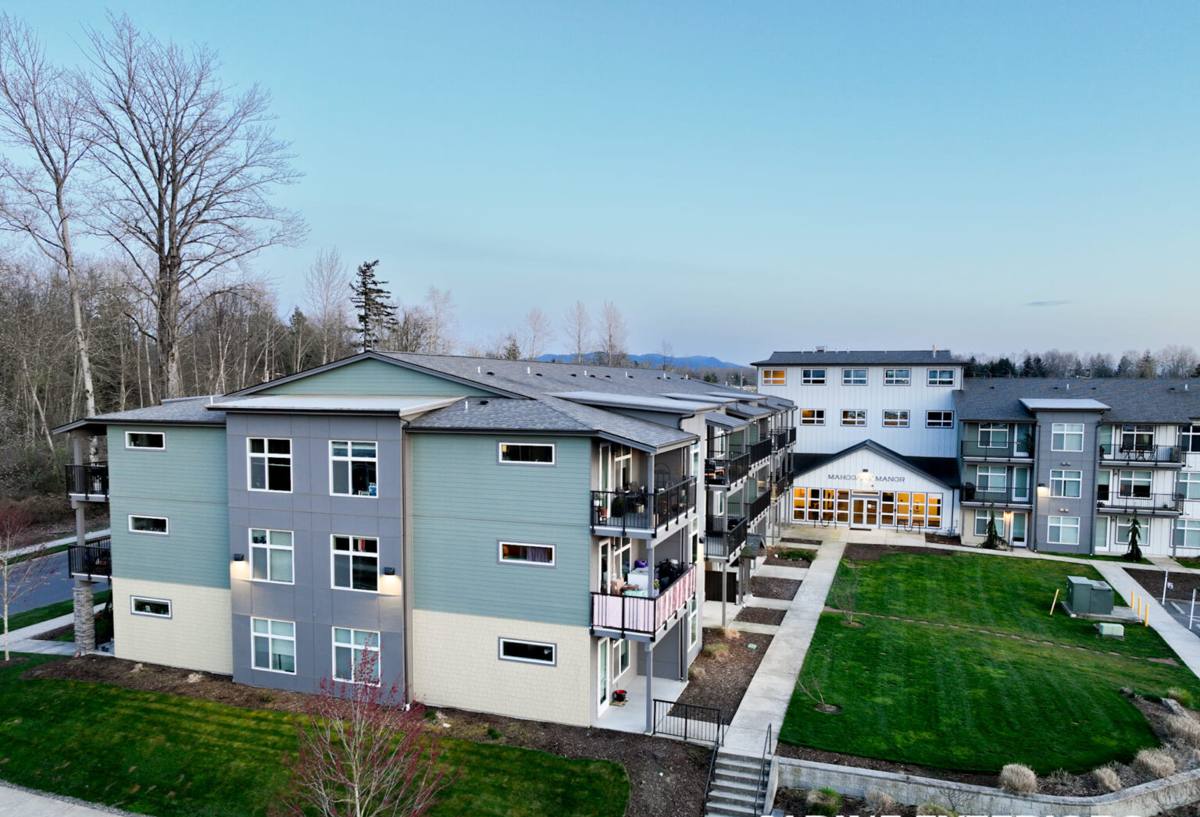
Why This Climate Is Hard on Vertical Siding
Three things work against board & batten siding in California Creek, and they compound each other:
Salt Air
Proximity to tidal water means a steady low-level exposure to salt-laden air. Salt is hygroscopic — it pulls moisture out of the air and holds it against a surface. On fasteners, trim, and any exposed wood, that means faster corrosion and faster paint failure than you'd see further inland. It's a slow process, but it never stops.
Driving Rain
Storms off the water tend to come in sideways rather than straight down. Board & batten has more vertical seams per square foot than horizontal lap siding, and wind-driven rain will find any seam that isn't properly lapped, caulked, or backed by a drainage plane. A batten that looks fine dry can still be feeding water behind the wall in a hard blow.
Long Moss Season
Whatcom County's mild, wet stretch from fall through spring is long, and shaded or north-facing walls near creeks and tree cover stay damp for weeks at a time. Moss and algae need exactly that — sustained moisture and low sun exposure — and they'll colonize any siding material that holds surface moisture, especially at batten shadow lines and bottom edges where debris and dampness collect.
None of this means board & batten is a bad choice for California Creek. It means the material and the installation both have to be built for these conditions, not just installed the way they'd be installed in a dry climate.
What a Correct Board & Batten Installation Actually Involves
Board & batten fails, when it fails, almost always at the details rather than the panel itself. A correct install includes:
- A drainage plane (weather-resistive barrier) installed and lapped correctly behind the panels, not just stapled up as an afterthought
- A rainscreen gap or furring strategy that lets any moisture that gets behind the siding actually drain and dry out, instead of sitting against the sheathing
- Battens fastened through the panel into framing on proper spacing — not just decorative strips glued or nailed to the panel face
- Correct fastener type and placement, driven flush (not overdriven), to avoid cracking the panel or creating a wick point for water
- Flush, factory-caulked or properly flashed joints at every panel butt, corner, window, and door opening
- Proper clearance at the bottom edge — siding held up off decks, patios, and grade so it isn't sitting in standing water or splash-back
- Pre-finished or factory-primed cut edges sealed in the field, since a raw cut edge is the fastest way for any fiber cement product to take on moisture
Skip any one of these and the siding can look fine for a year or two while the real damage happens out of sight, behind the wall.
The James Hardie System We Install
We install James Hardie fiber cement exclusively — no LP SmartSide, vinyl, Cemplank, Allura, primed spruce, or cedar. For board & batten specifically, that means HardiePanel vertical siding paired with Hardie's engineered batten trim, installed as a system rather than a mix-and-match of panel and whatever trim happens to be on hand.
Why Fiber Cement Over Wood or Vinyl for This Look
Board & batten's whole appeal is crisp, straight vertical lines and deep shadow reveals. Wood battens move with humidity and eventually cup, twist, or split — especially in a climate that never really dries out for long. Vinyl board & batten profiles can't hold that same crisp, flat reveal and tend to show waviness in direct light. Fiber cement holds its shape and its line, panel after panel, season after season.
ColorPlus Factory Finish
James Hardie's ColorPlus finish is baked on in a factory-controlled process, which gives it better adhesion and UV resistance than field-applied paint — a real advantage where salt air and constant damp-dry cycling chew through ordinary paint jobs faster than most homeowners expect.
Climate-Engineered HZ5 Formulation
Hardie manufactures its products in different formulations for different climate zones. The HZ5 line is engineered for regions that see the freeze-thaw and sustained moisture exposure typical of the Pacific Northwest — it's built to perform in exactly the conditions California Creek sees most of the year, not a generic formulation dropped into every market.
Non-Combustible and Backed by a Real Warranty
Fiber cement doesn't contribute fuel to a fire the way wood-based products can, and James Hardie backs its siding with a strong, transferable limited warranty — worth something when it's paired with an installation that meets the manufacturer's actual specifications.
Board & Batten vs. Other Siding Approaches in California Creek
| Approach | How It Handles Salt Air & Rain | Moss Resistance | Long-Term Maintenance |
|---|---|---|---|
| James Hardie board & batten (our install) | Non-combustible, factory-finished, engineered for wet/freeze climates | Doesn't feed mold or rot; surface cleans easily | Periodic wash; repaint cycle much longer than wood |
| Cedar board & batten | Attractive but absorbs moisture at end grain and seams | Prone to moss/algae without frequent treatment | Regular staining, sealing, and plank replacement over time |
| Vinyl board & batten profile | Won't rot, but seams and panels can flex and gap in driving wind | Surface can host algae film; texture holds grime | Low upkeep but limited lifespan and fades in UV/salt exposure |
| Primed spruce or engineered wood | Vulnerable at cut edges and fastener points if not fully sealed | Higher risk in shaded, damp wall sections | Ongoing paint and edge maintenance required |
Our Process, Start to Finish
- Site walk and assessment — we look at your home's exposure: which walls face the water and prevailing wind, which stay shaded and damp longest, and where the existing siding or sheathing shows signs of past moisture problems.
- Tear-off and sheathing check — old siding comes off and we inspect the sheathing underneath before anything new goes up. Problems found here get addressed, not covered over.
- Weather-resistive barrier and drainage plane — installed and lapped correctly, with a rainscreen strategy suited to board & batten's vertical seams.
- Panel and batten installation — HardiePanel installed to manufacturer fastening specs, battens set on consistent spacing, all cut edges factory-sealed or field-sealed before they close up.
- Flashing and trim detailing — windows, doors, corners, and the base of the wall get proper flashing and clearance, the points where board & batten installations most often fail if rushed.
- Final walkthrough — we go over the finished job with you, including what basic upkeep to expect given your home's specific exposure.
Living With Board & Batten in a Salt Air, High-Moss Climate
Correctly installed Hardie board & batten is genuinely low-maintenance, but "low" isn't "none" in this environment. A simple seasonal routine keeps it looking right and keeps small issues from becoming repair calls:
- Rinse the siding down once or twice a year, more often on shaded or water-facing walls, to clear salt film and organic buildup before it takes hold
- Keep gutters and downspouts clear so overflow isn't running down the wall face or pooling at the base of the siding
- Trim back vegetation and tree cover that keeps a wall section shaded and damp longer than the rest of the house
- Walk the exterior after major storms and check for any lifted battens, gaps at trim, or caulk that's pulled away — small movement is easier to fix before a wet winter than after one
- Watch north-facing and creek-side elevations first — they'll show moss and algae before the rest of the house does
Why the Installing Crew Matters as Much as the Material
Board & batten looks simple from the curb, but it's an unforgiving style to get wrong — every vertical seam is a potential water path, and a crew unfamiliar with fiber cement's fastening and sealing requirements can turn a good product into a callback within a couple of winters. Working regularly around Blaine and communities like California Creek means we already know which walls face the worst of the weather off the water, how long moss season really runs here, and what level of detail this climate demands at every seam and batten. That's not something a crew passing through on a one-off job in an unfamiliar area is going to match.
If you're weighing board & batten for a home in California Creek, we're happy to take a look and talk through what your specific walls and exposure actually need. Reach out for a free, no-pressure estimate using the form below.