 Blaine
 Birch Point Sits Right in the Weather's Path
Birch Point catches everything Whatcom County's coastline has to offer: salt-laden wind off the water, driving rain that comes in sideways more often than straight down, and a long, damp moss season that can stretch from fall through spring. Siding out here doesn't get a break between storms the way it might a few miles inland. It's wet more often, dries slower, and takes a steady dose of airborne salt that accelerates corrosion on fasteners, trim, and anything with a weak factory finish.
That combination is hard on the wrong siding material, and it's unforgiving of sloppy installation. A siding job that would hold up fine in a drier part of the county can fail early in Birch Point if the water management details aren't right. This page is about what a correct siding installation looks like for this specific stretch of coastline, and what we do differently because of it.
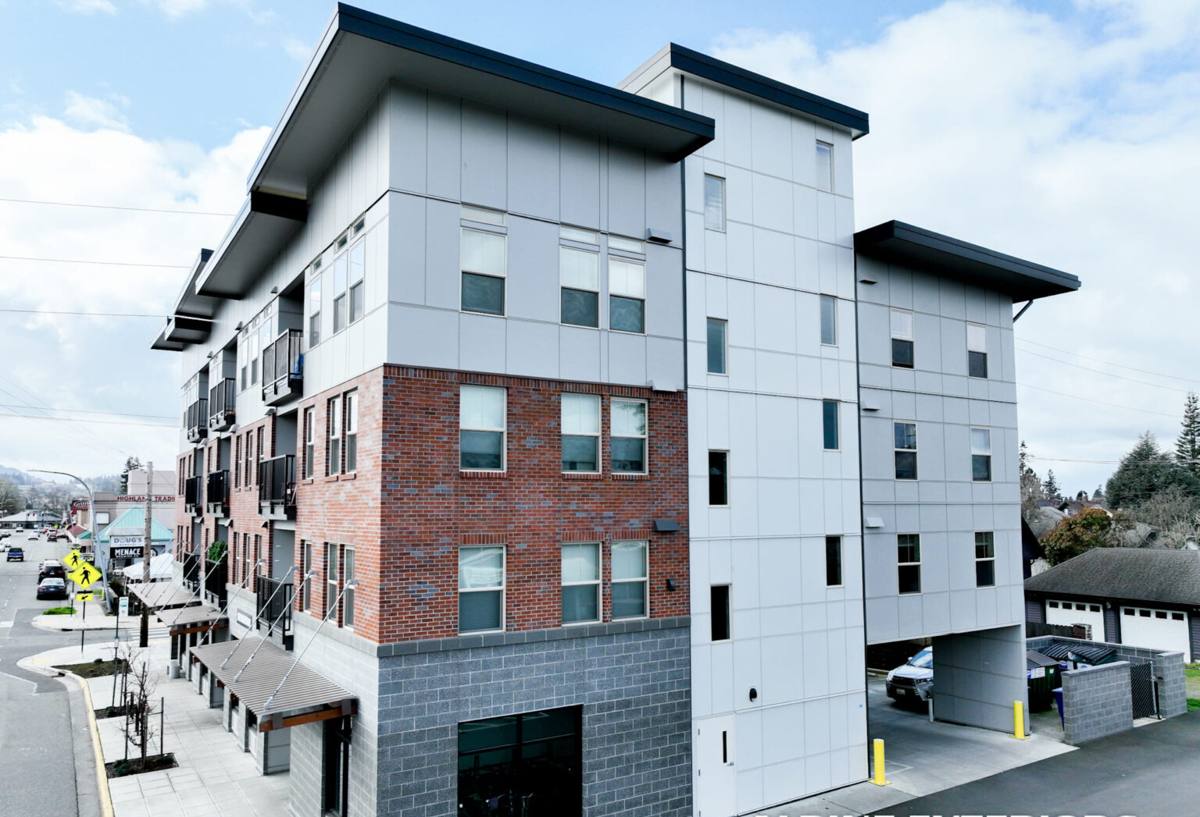
What "Correct" Actually Means Out Here
Siding installation is often talked about like it's just cutting boards and nailing them up in a pattern. In a place like Birch Point, the visible siding is the least important part of getting the job right. What matters most is everything behind it.
The Water Management Layer
Every wall needs a continuous weather-resistive barrier, properly lapped so water sheds downward and never gets trapped behind the cladding. Around Blaine's coastline, we treat this layer as non-negotiable — house wrap or building paper installed shingle-style, seams taped, and every penetration (vents, hose bibs, light fixtures) sealed before a single piece of siding goes up.
Flashing at Every Transition
Windows, doors, decks, and roof-to-wall intersections are where siding failures actually start. Kick-out flashing at roof lines, head flashing above windows and doors, and proper flashing at any horizontal trim are what keep driving rain from finding its way behind the siding during a windstorm off the water.
Ventilation Behind the Cladding
A rainscreen gap (a furring strip system that creates a small air space between the siding and the water barrier) lets any moisture that does get past the outer layer drain and dry out instead of sitting against the wall sheathing. In a climate with this much sustained dampness, that airspace is often the difference between siding that lasts decades and siding that traps rot within a few years.
Fastening and Clearances
Corrosion-resistant fasteners, correct nailing patterns, and proper clearance from grade, roof lines, and decks all matter more here than in a drier climate. Salt air accelerates corrosion on anything undersized or improperly rated, and tight clearances trap moisture against the bottom courses where it does the most damage.
Why We Install Only James Hardie Fiber Cement
We don't install vinyl, LP SmartSide, primed wood, cedar, or other fiber cement brands. That's a deliberate standard, not a sales preference, and it matters even more on a site like Birch Point than it would somewhere drier and more sheltered.
Vinyl softens, warps, and becomes brittle with age, and its seams and J-channels give wind-driven rain more places to find a way in. Wood and wood-based products need consistent upkeep to keep moisture out, and a coastal environment with a long moss season is exactly the setting where that upkeep gets ahead of homeowners. James Hardie fiber cement is non-combustible, dimensionally stable, and doesn't feed mold or moss growth the way wood-based siding can. Its HZ5 product line is engineered specifically for climates like ours — freeze-thaw cycling, sustained moisture, and coastal exposure — and its factory-applied ColorPlus finish holds color and resists fading far longer than field-applied paint, with less maintenance burden over the life of the siding.
None of that makes Hardie maintenance-free, and we'll tell you that straight. But it removes the failure points we see most often on homes near the water, and it comes with a strong transferable warranty when installed to the manufacturer's specification — which is the other half of the equation.
Choosing the Right Hardie Setup for This Site
Not every Hardie product or accessory is the right call for every wall. Exposure varies even within Birch Point depending on how directly a wall faces the water and prevailing wind.
| Consideration | Why It Matters Here |
|---|---|
| HZ5 climate zone rating | Engineered for moisture and freeze-thaw exposure typical of Pacific Northwest coastal sites |
| ColorPlus factory finish | Reduces long-term maintenance and resists fading from sun and salt exposure better than field paint |
| Lap vs. panel profile | Lap siding sheds wind-driven rain more forgivingly on the most exposed, water-facing walls |
| Trim and fastener hardware | Corrosion-resistant fasteners and trim components matter more within direct reach of salt air |
| Rainscreen furring | Creates a drainage and drying gap behind the cladding for walls with sustained moisture load |
We walk each home's exposure before recommending a specific profile or accessory package — a wall that takes the brunt of the wind off the water gets treated differently than a sheltered side of the same house.
Our Installation Process
- On-site assessment: we look at existing siding condition, wall exposure, drainage patterns, and any signs of past moisture intrusion before quoting anything.
- Tear-off and inspection: once old siding is off, we inspect sheathing for rot or water damage — this is often the first time hidden problems become visible, and we address them before covering the wall back up.
- Weather barrier installation: house wrap or building paper installed and lapped correctly, with all penetrations sealed.
- Flashing: windows, doors, and all wall transitions flashed before trim and siding go on.
- Rainscreen and fastening: furring strips where called for, then Hardie siding installed to manufacturer nailing and clearance specifications.
- Trim, caulking, and final detailing: finish carpentry and sealant at transitions, done in a way that won't trap water against the siding.
- Final walkthrough: we go over the finished work with the homeowner before calling the job done.
Cost Factors for a Birch Point Siding Job
| Factor | How It Affects the Job |
|---|---|
| Home size and wall complexity | More corners, gables, and dormers mean more cutting, flashing, and trim work |
| Condition of existing sheathing | Rot or water damage found during tear-off adds repair scope before siding goes on |
| Wall exposure to wind and water | The most exposed elevations may warrant a rainscreen gap and heavier flashing detail |
| Product line and finish | ColorPlus colors and trim accessories vary in price from base Hardie panel options |
| Access and site conditions | Tight lots, decks, or landscaping close to the walls can add labor time |
We give a specific number after seeing the home, not a rough guess over the phone — exposure and existing wall condition vary enough between properties in this area that a generic estimate isn't useful to either of us.
Why a Crew That Already Works Birch Point Matters
Coastal siding work rewards familiarity with the site conditions. A crew that already does siding installation around Blaine and the surrounding Whatcom County coastline knows what a moss season does to a wall over several winters, knows which elevations on a typical Birch Point lot take the worst of the wind-driven rain, and doesn't need to relearn coastal detailing on your house. That familiarity shows up in the small decisions — where to add extra flashing, when a rainscreen gap is worth the cost, which corners of a lot need closer attention to drainage — that a generic installation crew from outside the area might miss.
It also means we're still around after the job is done. Warranty support, questions a year or two down the line, or a follow-up on a detail — all easier with a local company that has a reputation to maintain in this specific community.
Signs Your Current Siding May Already Be Struggling
- Soft or spongy spots when you press on the siding, especially near the bottom courses or below windows
- Persistent moss, algae, or dark staining that keeps coming back after cleaning
- Visible warping, buckling, or gaps at seams and corners
- Paint that's peeling or bubbling, particularly on wood or wood-composite siding
- Rising heating bills or drafts that suggest the wall assembly is no longer performing
- Visible rust streaking from fasteners or trim hardware
If more than one of these applies to your home, it's worth having someone look at the wall assembly, not just the surface — by the time siding looks bad from the street, there's often already moisture damage behind it.
Ready for a Straight Answer on Your Siding
If your Birch Point home's siding is showing its age, or you just want an honest read on whether it's holding up the way it should, we're happy to take a look. We'll tell you what we see, what we'd recommend, and why — no pressure, no inflated urgency. Fill out the form below for a free estimate and we'll get back to you to schedule a time to walk the property.