 Blaine
 Why Birch Point Homes Need a Different Approach to Windows
Birch Point sits close enough to the water that its homes deal with a combination most inland Whatcom County houses never see: salt-laden air, wind-driven rain coming off the Strait, and the long gray stretch of moss season that runs from fall through spring. Windows here don't just lose heat through the glass — they take on moisture at the frame, corrode at the hardware, and get pushed on by wind loads that inland windows rarely face. A window that's rated fine for a general Pacific Northwest climate can still underperform on a Birch Point lot depending on exposure, orientation, and how close the home sits to open water or tree cover.
Energy-efficient windows for this area have to do two jobs at once: cut heat loss and utility costs, and hold up physically against salt, moisture, and repeated wetting-and-drying cycles. Get the product or the installation wrong and you end up with fogged glass units, soft frames, or drafts within a few years — not a couple decades down the road.
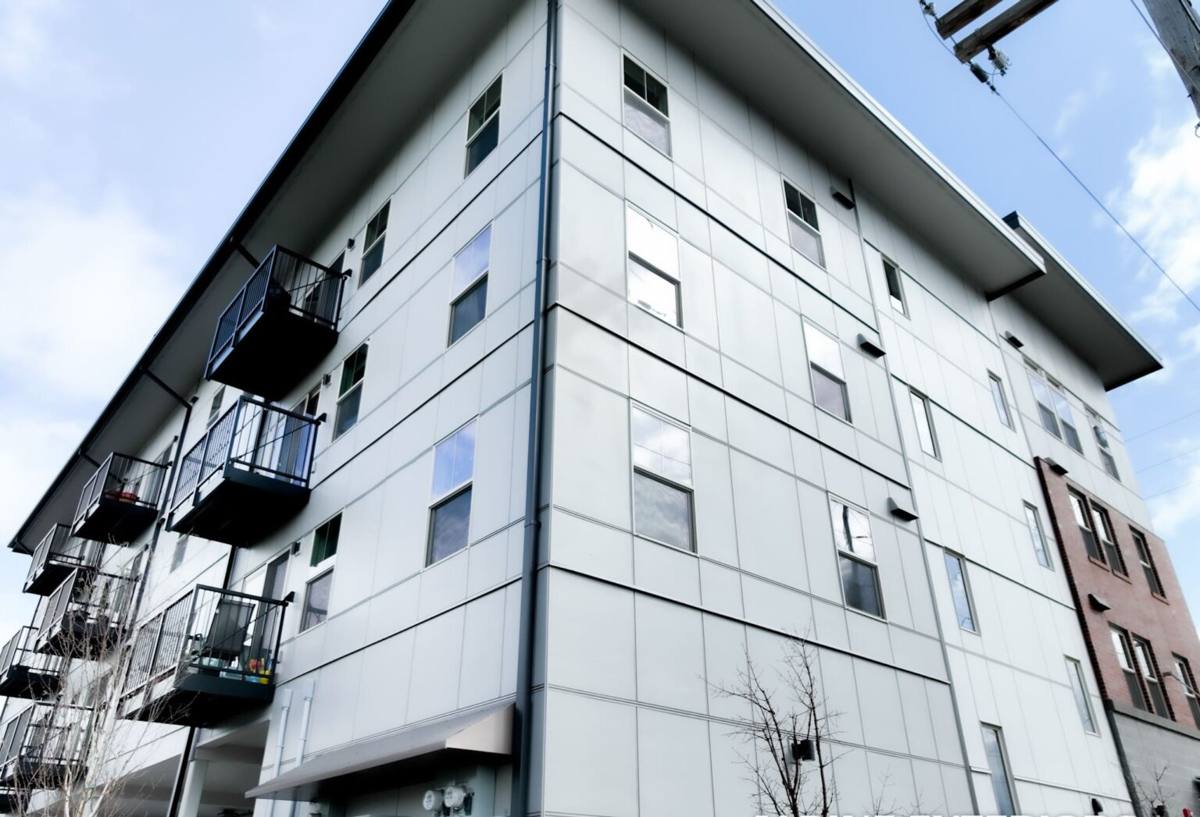
What "Energy-Efficient" Actually Means Here
Energy efficiency in a window comes down to a handful of measurable properties, not marketing language. For a Blaine-area home, the numbers that matter most are:
| Factor | What It Does | Why It Matters in Birch Point |
|---|---|---|
| U-Factor | Measures heat loss through the whole window unit | Lower U-Factor keeps heat inside during long, damp winters and reduces reliance on heating systems |
| Solar Heat Gain Coefficient (SHGC) | Measures how much solar heat passes through the glass | Moderate SHGC helps balance winter solar gain against summer overheating on south- and west-facing walls |
| Air Leakage Rating | Measures how much air passes through the assembly | Lower leakage matters more here because wind off the water pressurizes window assemblies harder than a sheltered inland lot |
| Condensation Resistance | Measures how well the window resists interior condensation | High humidity and temperature swings near the shoreline make this a bigger factor than in drier parts of the county |
A window can look identical to another on the shelf and perform very differently once these numbers are compared side by side. Manufacturer labels (NFRC ratings) list all four, and we walk homeowners through what they mean for their specific exposure rather than just quoting a single "energy efficient" label.
Frame Material Matters as Much as the Glass
In a salt-air environment, frame material affects long-term performance as much as the glazing package does. Vinyl and fiberglass frames generally resist salt corrosion and moisture absorption better than bare wood or unclad wood-composite frames, which is why we lean toward those materials for homes with direct water exposure. Wood-look interiors can still be achieved with clad or composite products if that's the aesthetic a homeowner wants — the tradeoff is about what's exposed to the exterior weather, not what's visible from inside.
What a Correct Installation Involves
The window unit itself is only part of the equation. Most window failures we get called out to fix aren't a bad product — they're a flashing or sealing detail that let water get behind the frame. That's especially true in a driving-rain climate like Birch Point's, where wind pushes water sideways and upward, not just straight down.
A correct installation for this area includes:
- Removing the old window down to the rough opening and inspecting the sheathing and framing underneath for hidden rot or prior water damage before anything new goes in
- Installing a proper weather-resistive barrier and flashing sequence so water is directed out and down, never trapped behind the new frame
- Using sill pans or sloped sill flashing at the bottom of the opening, which is one of the most common missing details in older window installs
- Sealing and insulating the gap between the window frame and the rough opening correctly — not overpacked with foam, not left with gaps
- Setting the window level, plumb, and square so weatherstripping and locking hardware seal evenly on all sides
- Finishing exterior trim and caulking with materials rated for direct weather exposure, not general-purpose interior caulk
Skipping any one of these steps can turn a well-rated window into a moisture problem within a few wet seasons, which is exactly the kind of failure salt air and driving rain accelerate.
Moss Season and Window Performance
Moss season affects windows more than people expect. Constant dampness and shade around window openings — especially on north-facing walls or under overhangs — creates conditions where moss and algae can gain a foothold on sills, trim, and even weep holes in the frame. When weep holes get blocked, water that's supposed to drain out of the frame system backs up instead, which speeds up rot and hardware corrosion. Part of a good installation is making sure drainage paths are clear and sized correctly, and part of ongoing maintenance is checking those paths aren't getting choked off as moss establishes itself on the exterior.
Signs Birch Point Homeowners Should Watch For
Because this area's climate accelerates certain failure modes, it's worth knowing what to look for before a window becomes a bigger repair:
- Fogging or moisture between panes of double- or triple-glazed units — this means the seal has failed and the insulating gas has escaped
- Soft or discolored wood at the sill or lower frame corners
- Visible corrosion or stiffness in hardware, locks, or hinges
- Drafts or cold spots near the frame even when the window is fully closed and locked
- Paint or finish failure concentrated on one side of the house, usually the side facing prevailing wind and rain
- Difficulty opening or closing that wasn't there a year or two ago, which often points to frame movement or swelling
Our Process for a Birch Point Window Project
1. On-Site Assessment
We look at each window individually — exposure, current condition, framing behind the trim where visible, and how the home's orientation affects sun and wind loading. Two windows on the same house can have very different needs depending on which direction they face.
2. Product Selection Based on Exposure, Not a Default Package
We talk through frame material, glazing package, and performance ratings against the specific spot on the house — a window on the water-facing wall gets a different recommendation than one on a sheltered side yard.
3. Proper Tear-Out and Inspection
Old windows come out carefully so we can inspect the rough opening for hidden moisture damage before it's covered up again. This step catches problems that would otherwise go unnoticed for years.
4. Installation to Manufacturer and Weather-Barrier Specifications
Flashing, sill pans, sealing, and fastening are done to spec — not shortcuts that happen to look fine on install day but fail in year three.
5. Final Check and Homeowner Walkthrough
We confirm operation, sealing, and finish work, and walk through basic maintenance specific to a salt-air, high-moss environment.
Why Local Installation Experience Matters
A crew that regularly works Birch Point and the greater Blaine area already knows which sides of a house typically take the worst weather, how moss and shade patterns behave on different lots, and what the salt air does to hardware and finishes over time. That's not something a general contractor from outside the region necessarily accounts for — it comes from repeatedly seeing how windows in this specific stretch of Whatcom County actually age. That experience shapes product recommendations and installation details before problems start, rather than reacting to them later.
Cost Factors Worth Understanding
Window project costs vary based on several factors, and it's worth understanding them before comparing quotes:
| Factor | Impact on Cost |
|---|---|
| Frame material (vinyl, fiberglass, clad wood) | Fiberglass and clad wood generally cost more than vinyl but offer different durability and appearance tradeoffs |
| Glazing package (double vs. triple pane, low-E coatings, gas fill) | Higher-performance glazing costs more upfront but reduces long-term energy costs |
| Number and size of openings | Larger or custom-sized windows cost more than standard sizes |
| Condition of existing rough openings | Hidden rot or framing repair discovered during tear-out adds cost but prevents bigger problems later |
| Installation complexity | Second-story access, unusual angles, or extensive trim work affect labor time |
We provide itemized estimates so homeowners can see exactly what's driving the price, rather than a single lump-sum number that hides where the money is going.
Maintenance That Extends Window Life in This Climate
Even a well-installed, well-chosen window benefits from basic upkeep in a salt-air environment. Rinsing accumulated salt film off frames and glass periodically, keeping weep holes clear of moss and debris, and checking caulking and sealant lines once a year for cracking or separation go a long way toward preventing the kind of slow water intrusion that shortens a window's service life. None of this requires special equipment — it's mostly a matter of not letting moss season problems sit unaddressed through an entire wet winter.
If you're weighing window replacement or repair for a Birch Point home, we're happy to take a look and give you a straightforward, no-pressure estimate — including what we see in the current windows, what we'd recommend for that specific exposure, and why. Fill out the form below to get started.