 Blaine
 Building a Deck That Actually Holds Up in Birch Point
Birch Point sits close enough to the water that salt air is just part of daily life, and that changes what a deck needs to survive. A deck design that works fine forty miles inland can start showing corrosion streaks, soft spots, and slick green film within a couple of seasons out here. We build and replace decks for homes in this part of Whatcom County with that reality in mind from the first framing decision, not as an afterthought once problems show up.
A deck in Birch Point is dealing with three things at once: airborne salt that accelerates corrosion on anything metal, driving rain that gets pushed sideways into ledger boards and railings by wind off the water, and a moss season that can run from fall through spring. Any one of those is manageable. All three together is why so many decks in this area fail early at the fasteners, the ledger connection, or the framing closest to the ground — long before the decking boards themselves wear out.
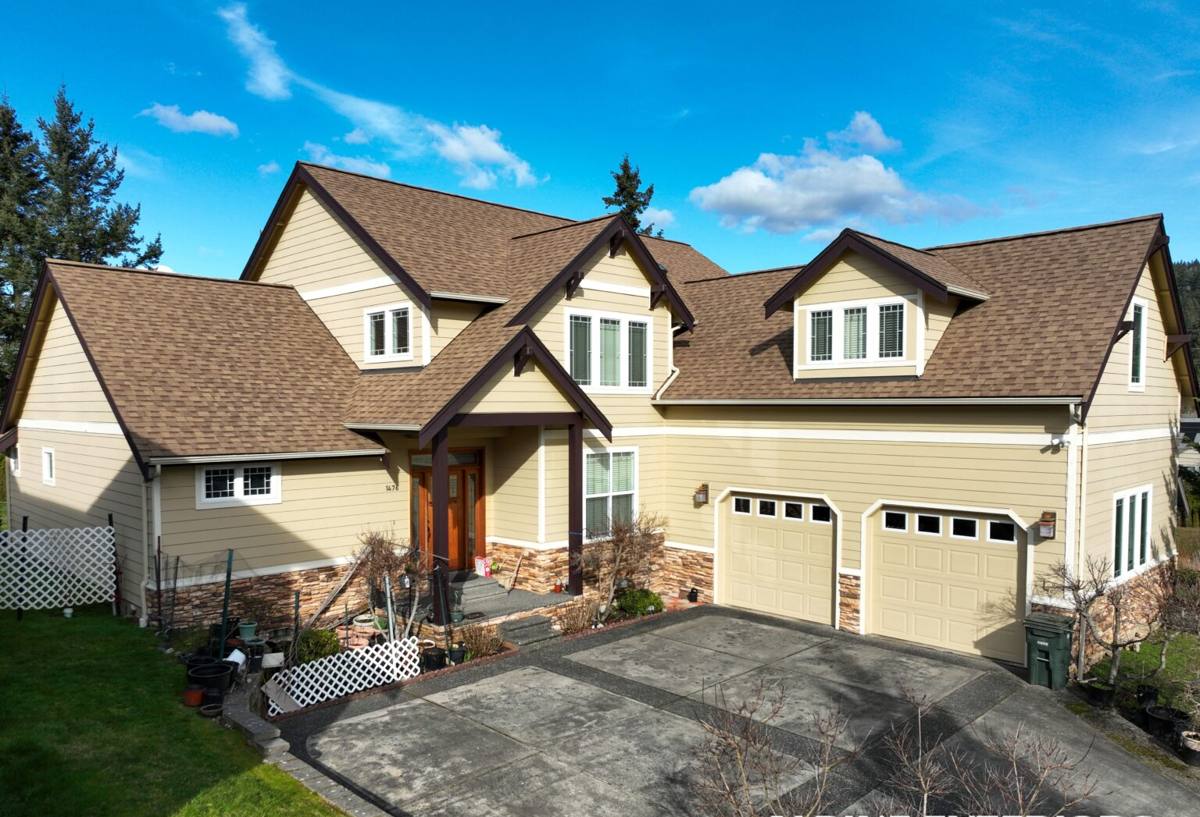
What Birch Point's Climate Actually Does to a Deck
Salt Air and Corrosion
Standard galvanized fasteners and hardware are rated for general exterior use, not for sustained salt exposure. Close to the water, that coating breaks down faster than most homeowners expect, and once a nail or joist hanger starts rusting, it weakens exactly where the deck needs strength the most — at the connections. We spec stainless or high-grade coated fasteners and hardware for Birch Point projects specifically because of this, not as an upsell.
Driving Rain and Water Intrusion
Rain that comes in sideways finds every gap in a ledger board attachment, every under-flashed rail post, and every spot where decking meets the house. Once water gets behind flashing or into a ledger connection, it stays wet longer in our climate than it would somewhere drier, which is exactly the condition that rots framing from the inside without any visible sign on the surface.
Moss, Algae, and Slip Risk
A long, damp moss season means anything shaded or facing north holds moisture for weeks at a stretch. On decking, that shows up as green film, black staining, and a surface that gets genuinely slick — a real fall risk on stairs and near doorways, not just a cosmetic issue.
What a Correctly Built Deck Needs Out Here
- Stainless steel or marine-grade coated fasteners and structural hardware throughout, not just at visible connections
- A properly flashed ledger board with a drainage gap, so water sheds away from the house rather than pooling against it
- Joist tape or equivalent protection on framing members to slow moisture absorption at the most vulnerable point in the structure
- Decking material chosen for how it actually performs wet — traction, staining resistance, and moisture movement — not just how it looks dry
- Airflow underneath the deck so framing can dry out between rain events instead of staying damp for weeks
- Railing posts and baluster connections sealed and fastened in a way that doesn't trap water against end grain
Decking Material Options for This Climate
There's no single "right" decking material for every Birch Point home — it depends on budget, how much upkeep the owner wants to do, and how exposed the deck is to wind and rain off the water. Here's how the common options actually compare in this specific climate.
| Material | How It Handles Salt Air & Rain | Moss/Algae Behavior | Upkeep |
|---|---|---|---|
| Pressure-treated wood | Performs fine if fasteners and flashing are correct; the wood itself needs regular sealing | Can host moss if not cleaned periodically | Annual cleaning and resealing recommended |
| Cedar | Naturally rot-resistant but still needs sealing near salt air to hold its color and surface | Moderate — needs periodic cleaning | Sealing every 1-2 years |
| Composite decking | Handles moisture and salt exposure very well; won't rot or corrode | Can still get slick with algae film if shaded — needs occasional washing | Low — mostly just periodic washing |
| PVC decking | Fully water-resistant, holds up well to salt exposure | Same washing needs as composite in shaded, damp spots | Low |
Whichever decking you choose, the framing and fastener decisions underneath matter more for long-term durability than the decking surface itself. We'll walk through the honest trade-offs — cost, maintenance, and how each material actually behaves once it's been through a wet Whatcom County winter — before you commit to one.
Our Process for a Birch Point Deck Project
1. On-Site Assessment
We look at sun and wind exposure, how close the deck is to the water, existing drainage around the foundation, and — for replacement projects — what condition the current ledger and framing are actually in underneath the surface.
2. Design and Material Selection
We talk through decking material, railing style, and layout based on how you actually use the space, plus the maintenance level you're comfortable with long-term. This is also where we flag any structural or flashing issues that need addressing before new decking goes down.
3. Permitting
Deck projects in this area typically require a permit depending on height, size, and attachment to the home. We handle that process as part of the job so it's not something you have to chase down yourself.
4. Framing and Flashing First
Before a single decking board goes down, we get the ledger flashing, joist protection, and structural connections right. This is the part of the job that determines whether the deck lasts 10 years or 25, and it's the step that's hardest to fix later without tearing the surface back up.
5. Decking, Railing, and Finish
Decking is installed with proper spacing for drainage and seasonal movement, railings are set and sealed at the base, and any wood surfaces get their first coat of finish before we walk the site with you.
6. Final Walkthrough
We go over basic care — cleaning frequency, what to watch for at the ledger and stairs, and how to spot early moss buildup before it becomes a slip hazard.
Repair, Replace, or Rebuild?
Not every deck in Birch Point needs a full rebuild. If the framing is sound and the problems are limited to surface boards, railings, or isolated soft spots, targeted repair can add years of life at a fraction of replacement cost. The line we look for is the ledger connection and main framing — if those are compromised by rot or corrosion, patching the surface just delays a bigger problem. Here's a quick way to think about it before you call anyone out:
- Surface boards cupping, splintering, or graying but structure feels solid underfoot — usually a resurfacing or partial repair
- Soft or spongy spots near the house, at stair stringers, or around post bases — have the framing checked before doing anything cosmetic
- Visible rust staining around fasteners or hardware — a sign the original fastener spec wasn't right for this climate
- Deck flexes or bounces more than it used to — a structural issue, not a surface one
- Persistent green or black film that comes back within weeks of cleaning — often a sun/drainage issue, not just a cleaning problem
Why Local Experience Matters for This Job
A crew that mostly builds decks inland, away from the water, doesn't always default to salt-rated fasteners or think through ledger drainage the same way — because they haven't had to. Working regularly in Blaine and along the Whatcom County coastline means we've seen what actually fails out here versus what's just a marketing claim, and we spec materials accordingly from the start instead of learning it from a callback. That local track record also means we already know which inspectors and permitting requirements apply in this area, which keeps the project moving instead of stalling on paperwork.
What Affects the Cost of a Birch Point Deck
Every deck project is different, but the same handful of factors drive most of the cost variation we see in this area.
| Factor | Why It Matters Here |
|---|---|
| Size and layout complexity | Multi-level decks or those wrapping around the home cost more in both material and framing labor |
| Decking material | Pressure-treated wood costs less upfront; composite and PVC cost more but need less upkeep against salt and moisture |
| Fastener and hardware grade | Stainless and marine-grade hardware costs more than standard galvanized but is the right call this close to salt air |
| Height and railing requirements | Taller decks require more substantial railing systems and additional permitting considerations |
| Existing structure condition | Replacement projects can cost less if the ledger and framing are sound, more if they need to be rebuilt |
| Site access and grading | Sloped lots or limited equipment access can add labor time |
We give straight numbers based on your specific home and site rather than a generic estimate pulled from a different climate or a different part of the state.
Get an honest look at your deck project
If you're planning a new deck or dealing with a Birch Point deck that's showing its age, we're glad to come take a look and give you a straightforward, no-pressure estimate. Use the form below to get started.