 Blaine
 Why Bellingham Windows Take a Different Kind of Beating
Bellingham sits close enough to the water, and close enough to Blaine and the rest of Whatcom County's marine weather pattern, that windows here work harder than they do in drier parts of the state. Salt-laden air off the Salish Sea, long stretches of driving rain, and a moss season that can run for months all put steady pressure on frames, seals, and glazing. A window that would coast along for decades in a dry inland climate can start showing fatigue in half that time here if it wasn't built or installed with this environment in mind.
This page is about one thing: custom window work for homes in and around Bellingham. Not a generic rundown of window types, but what actually matters when the goal is windows that hold up to this specific stretch of coastline.
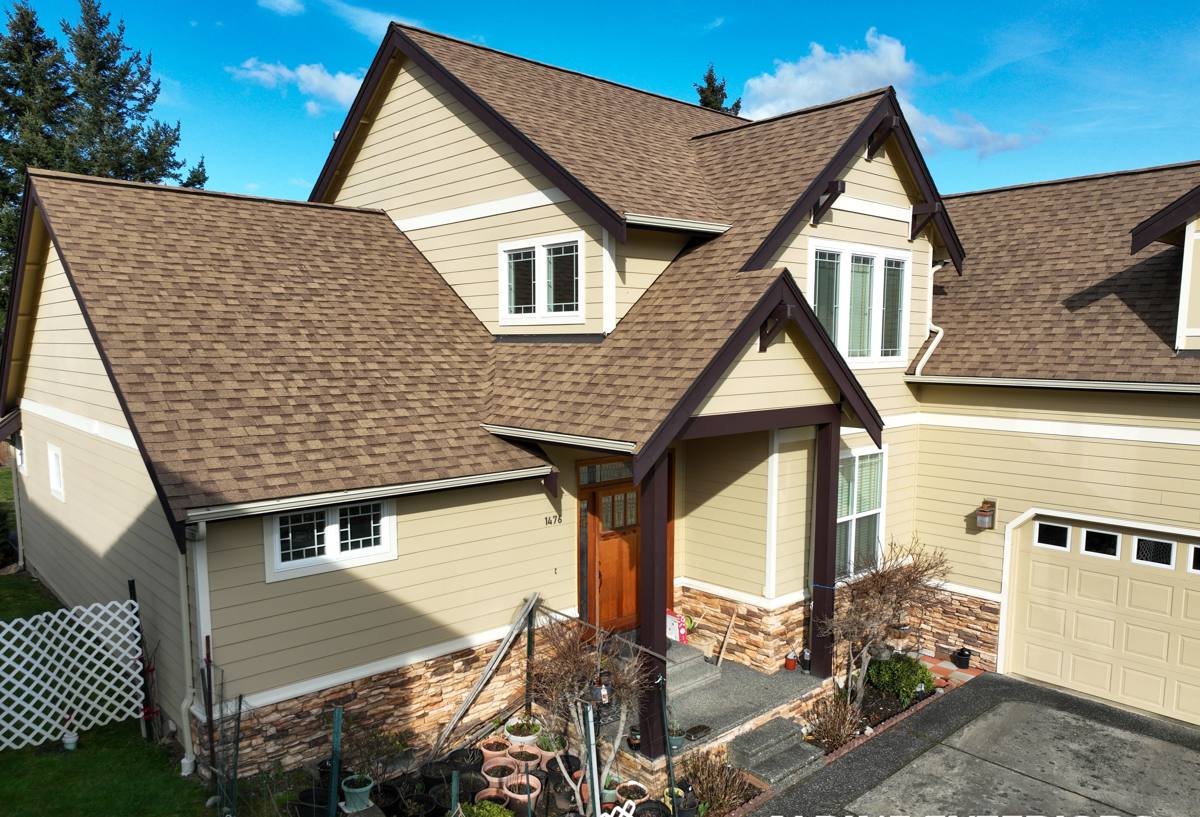
What Salt Air, Rain, and Moss Actually Do to Windows
Salt-laden air and corrosion
Airborne salt doesn't just affect homes right on the waterfront. It travels on wind and settles on exterior surfaces across a wide radius, including hardware, fasteners, and metal window components. Over time it accelerates corrosion on anything that isn't rated for a marine environment — hinges, cranks, screws, and lesser-grade aluminum cladding are the usual weak points.
Driving rain and water infiltration
Whatcom County doesn't just get a lot of rain, it gets a lot of wind-driven rain, which behaves very differently than a straight-down shower. Wind-driven rain gets forced sideways and upward into gaps that would never see water in calmer weather. That means the quality of the flashing and sealing around a window matters as much as the window unit itself — a great window with a mediocre installation will still leak.
Moss, algae, and prolonged dampness
Bellingham's moss season isn't just a roofing problem. Shaded window sills, north-facing frames, and areas with poor airflow can hold moisture long enough for moss and algae to take hold on wood trim and in frame corners. Left alone, that trapped moisture is what eventually leads to soft wood, swollen sashes, and finish failure — well before the glass itself is the problem.
Signs Your Bellingham Home Needs New or Upgraded Windows
Most window problems in this climate show up gradually. Here's what we look for, and what homeowners should watch for between inspections:
- Visible condensation or fogging between panes, which means the seal has failed
- Drafts you can feel near the frame on a windy, rainy day
- Soft or spongy wood at the sill, especially on shaded or north-facing walls
- Paint or finish that's peeling or bubbling specifically around the window, not the whole wall
- Difficulty opening, closing, or latching a window that used to operate smoothly
- Visible corrosion on hardware, cranks, or hinges
- Moss or dark staining building up in the corners of the frame or sill
- A noticeable rise in heating costs with no other explanation
Any one of these on its own isn't necessarily an emergency. Several of them together, or a window showing the same issue year after year, usually means it's time for a real fix rather than another patch.
Choosing the Right Window Materials for This Climate
There's no single "best" window material for every home — it depends on the home's exposure, style, and budget. But in a marine climate like Bellingham's, some trade-offs matter more than they would elsewhere.
| Material | How it handles this climate | Where it fits best |
|---|---|---|
| Vinyl | Doesn't corrode or rot, low maintenance, good moisture resistance; quality varies a lot between grades | Cost-conscious replacement projects, rental or secondary homes |
| Fiberglass | Very stable in temperature and moisture swings, resists corrosion, holds paint well over time | Higher-exposure walls, homes wanting a long-term, low-drama option |
| Wood, properly clad | Classic look, but bare wood needs consistent maintenance in this much rain and moss | Historic or period-style homes where appearance matters most, paired with disciplined upkeep |
| Aluminum-clad | Durable exterior shell, but standard-grade aluminum hardware can corrode faster near salt air | Modern designs, as long as marine-rated hardware is specified |
We don't push one material on every job. We talk through what the home's exposure actually is — how much direct weather it sees, how shaded it is, whether it's had moisture problems before — and match the material and hardware grade to that, not to whatever's cheapest to stock.
Why the Installation Matters More Than the Window Itself
A well-built window installed poorly will fail faster than a modest window installed correctly. This is the part of the job that's invisible once the trim goes back on, which is exactly why it's the part most likely to get rushed by a crew that doesn't work this coastline regularly.
Getting it right means:
- Flashing that's layered correctly so water is directed out and down, never trapped behind the siding
- Sealants and tapes rated for the temperature and moisture range this area actually sees, not just whatever's on the truck
- Proper shimming so the window sits square and doesn't stress the frame over time
- Insulation in the rough opening gap that's filled correctly, not just stuffed in
- Hardware and fasteners specified for coastal exposure, not standard interior-grade parts
Skipping any one of these doesn't usually cause an immediate problem. It shows up two, five, or ten years later as a leak, rot, or a seal failure that traces straight back to the install, not the window.
Our Process for Custom Window Projects in Bellingham
1. On-site assessment
We look at the actual condition of each window opening — the framing, sill, and any existing water or moisture damage — not just take measurements and leave. Custom window work only starts once we know what's actually behind the trim.
2. Honest scoping
We tell you plainly whether a window needs full replacement, a repair, or just better maintenance. Not every problem window needs to come out.
3. Material and hardware selection
We walk through material options against your home's exposure, style, and budget, with the trade-offs laid out clearly rather than steering you toward whatever's easiest for us to install.
4. Installation done to the flashing and sealing standard this climate requires
This is where we spend the extra care most crews skip — proper flashing sequencing, correct sealant, and hardware that's rated for salt air exposure.
5. Final check and cleanup
Every window is operated, checked for square, and inspected for a clean seal before we consider the job finished.
Cost Factors for Custom Windows in Bellingham
Every home is different, so we won't quote a number without seeing the job, but the main factors that move the price are consistent:
- Number of windows being replaced and whether it's a single opening or a whole-home project
- Material choice — vinyl, fiberglass, wood-clad, and aluminum-clad all carry different costs
- Condition of the existing framing — hidden rot or water damage adds work that isn't visible until the old window comes out
- Window size and shape, including any custom or non-standard openings
- Hardware grade, especially for homes with heavier salt or wind exposure
- Access and site conditions, such as second-story openings or tight clearances
Broadly, straightforward single-window replacements sit at the lower end of the range, while whole-home custom projects with higher-grade materials and hardware run higher. We'll walk you through exactly where your project falls once we've seen it.
Why Working With a Crew That Already Knows Bellingham Matters
A contractor who mainly works drier, inland areas doesn't run into salt-air hardware corrosion, wind-driven rain infiltration, or moss-related sill rot often enough to build real habits around preventing them. Working Blaine, Bellingham, and the rest of Whatcom County regularly means we see these failure patterns repeatedly, and we build the flashing, sealing, and material choices around them by default rather than as an afterthought.
That familiarity also means fewer surprises during the project itself — we generally know what we're going to find behind an aging window in this climate before we even pull the trim.
Protecting Your Investment After Installation
New windows still need some basic upkeep in this climate to get their full lifespan out of them:
- Rinse salt residue off frames and glass periodically, especially on wind-exposed walls
- Keep weep holes clear of debris, moss, and dirt so water can drain out as designed
- Check and touch up exterior caulking annually, particularly after a hard winter
- Clear moss and organic buildup from sills and corners before it holds moisture against the frame
- Operate hardware a few times a season so cranks and latches don't seize up
None of this takes much time, but it's the difference between a window that hits its full expected lifespan and one that needs early attention because small problems went unaddressed.
If you're dealing with drafty, foggy, or hard-to-operate windows, or you're planning ahead for a home update, we're happy to take a look and give you a straightforward, no-pressure estimate. Use the form below to get started.