 Blaine
 Windows Built for Cherry Point's Exposure
Cherry Point sits right up against the water in Whatcom County, and that location comes with a specific set of problems for windows. Salt-laden air corrodes hardware and finishes faster than it does even a few miles inland. Driving rain off the Strait finds every gap in a tired frame. And the long moss season that defines this part of Washington keeps siding, trim, and window sills damp for months at a stretch. A window that's fine in a drier, more sheltered part of the county can fail early out here if it wasn't chosen or installed with that exposure in mind.
This page is about one job in one place: replacing windows on homes in and around Cherry Point. Not a general overview of window brands, not a county-wide pitch — just what actually matters for a house sitting in this specific coastal environment, and what a correct installation looks like when we do it.
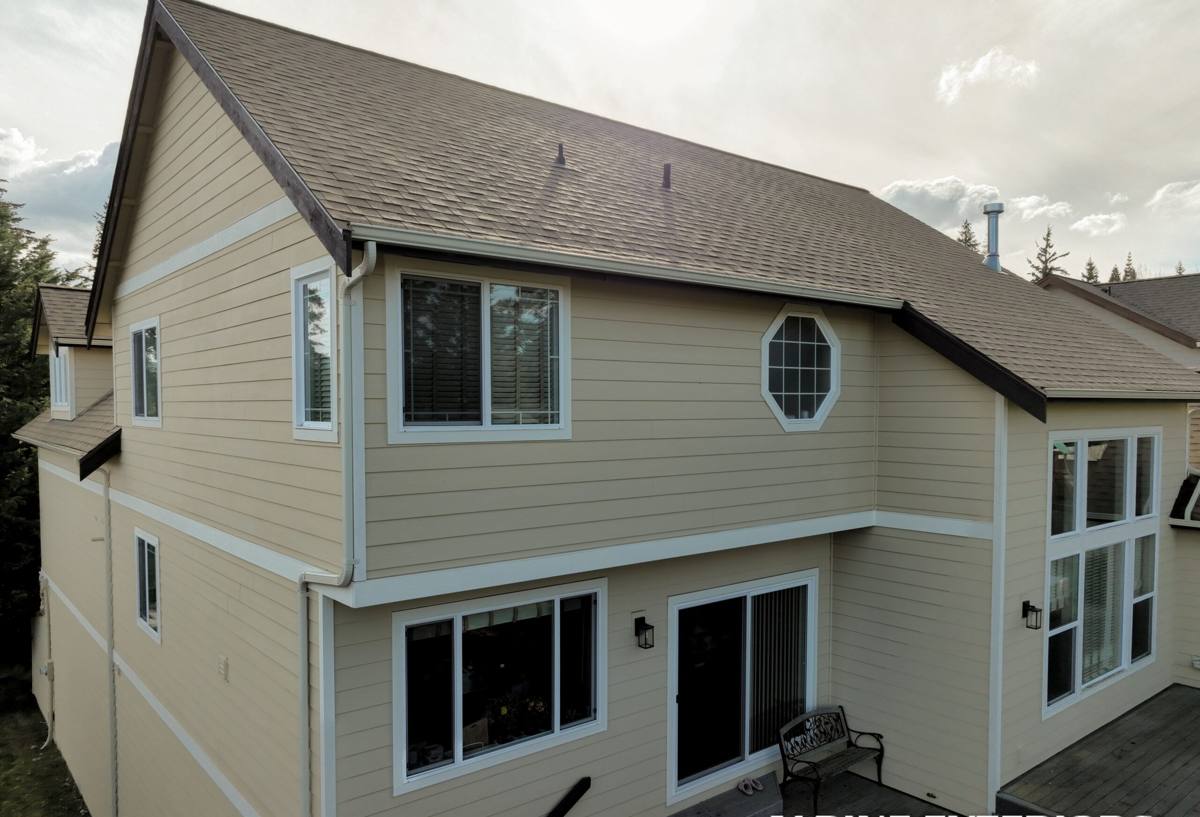
What the Cherry Point Climate Does to Windows Over Time
Salt Air and Hardware
Locks, hinges, balances, and screen frames are usually the first things to show wear near the water. Cheaper aluminum and plated-steel hardware corrodes and seizes up years before the glass unit itself fails. If you've got windows that are hard to latch or crank, or that have visible pitting or white corrosion on the metal parts, that's often a sign the hardware was never rated for a salt-air environment in the first place.
Driving Rain and Water Intrusion
Wind-driven rain off the water doesn't just hit windows — it pushes water sideways and upward, testing every seal and flashing detail a window has. On older installations, especially anything original to a home built before modern flashing practices were standard, this is where rot starts. It usually shows up first as soft trim, a musty smell near the window, or peeling paint on the interior sill.
Moss, Shade, and Prolonged Moisture
A long moss season means more than green roofs. Wood trim and sills that stay damp for extended stretches — especially on north-facing or shaded walls — are prime spots for rot to take hold quietly behind paint or caulk that still looks intact from the outside. By the time moss or dark staining shows up on the sill itself, there's a good chance the wood underneath has already softened.
Signs a Cherry Point Home Needs Window Replacement
- Visible condensation or fogging between panes (a failed seal on a double- or triple-pane unit)
- Soft or spongy wood at the sill, jamb, or exterior trim
- Windows that are difficult to open, close, or lock — often a sign of frame swelling or corroded hardware
- Drafts you can feel by hand along the frame edge on a windy day
- Visible corrosion, pitting, or chalky white buildup on metal hardware or frames
- Paint that keeps failing in the same spot no matter how often it's redone
- Noticeably higher heating bills compared to similar homes nearby
What a Correct Window Replacement Actually Involves
Swapping in a new window is the easy part. The details that determine whether it holds up in a coastal, high-moisture climate like Cherry Point's are mostly things you won't see once the job is done.
Removal and Inspection
Every old window comes out with a full check of the framing underneath — sill, jack studs, header — for rot or water staining. This is the point where hidden damage from years of driving rain or moss-related moisture shows up. It's far cheaper to deal with at this stage than to have it show up as a callback a year later.
Flashing and Water Management
This is the step that matters most in this climate and the one that's easiest to shortcut. Proper flashing directs water that gets past the window itself back out and away from the wall assembly, rather than letting it sit against sheathing or framing. In a location that takes driving rain off open water, flashing done wrong is the single biggest reason windows leak within a few years of installation.
Air Sealing and Insulation
Gaps around the new frame get sealed with appropriate sealant and insulation — not just caulk smeared over the trim. Done right, this cuts drafts and reduces the load on your heating system through the wet, windy months.
Hardware and Finish Selection
For homes this close to the water, we lean toward corrosion-resistant hardware and finishes rated for coastal exposure. This is a case where spending a bit more up front on the right materials is genuinely worth it — replacing seized hardware or a corroding frame in eight years costs more than getting it right the first time.
Framing Material Comparison for a Coastal Location
| Material | Coastal Durability | Maintenance | Notes for Cherry Point |
|---|---|---|---|
| Vinyl | Good — resists corrosion and rot | Low | Solid all-around choice for salt air; quality varies a lot between manufacturers |
| Fiberglass | Very good — dimensionally stable, resists moisture-driven warping | Low | Handles temperature and moisture swings well; typically a higher upfront cost |
| Aluminum | Fair — prone to corrosion unless specifically coated for marine exposure | Moderate | We're selective here; standard aluminum finishes don't hold up as well this close to the water |
| Wood | Poor to fair without diligent upkeep | High | Classic look, but the moss season and driving rain here mean rot risk is real without a rigorous paint/maintenance schedule |
| Wood-clad (wood interior, aluminum or vinyl exterior) | Good — exterior shell shields the wood | Low to moderate | A middle-ground option when the interior wood look is a priority |
None of these is universally "right" — the best call depends on the home's exposure, budget, and how much upkeep you want to sign up for. We'll walk through the honest trade-offs for your specific house rather than push whatever's easiest to install.
Why Working with a Crew That Already Knows Cherry Point Matters
Window replacement isn't the same job everywhere in Whatcom County. A crew that mostly works drier, more sheltered inland areas can install a technically fine window and still get flashing details wrong for a site that takes direct wind-driven rain off the water. Knowing to prioritize corrosion-resistant hardware, to flash more conservatively on exposed walls, and to expect — and check for — moisture damage that a drier-climate job wouldn't need to worry about isn't something you pick up from a spec sheet. It comes from having done this work on homes with this exact exposure.
We also know what tends to go wrong first on Cherry Point homes specifically, because we've seen it: hardware seizing up early, sills going soft on shaded or north-facing walls, and moss holding moisture against trim longer than homeowners expect. That's the kind of pattern recognition that shapes how we approach each job here, not a generic checklist.
Our Process
- On-site assessment — we look at each window's condition, the wall's sun/shade and wind exposure, and any visible signs of past water intrusion.
- Honest recommendation — we'll tell you which windows genuinely need replacing now, which can wait, and which framing materials make sense for your home's specific exposure.
- Clear, written estimate — scope, materials, and timeline spelled out before any work starts, with no pressure to decide on the spot.
- Removal and structural check — old windows come out, and we inspect the framing underneath before anything new goes in.
- Installation with proper flashing and sealing — the water-management details that matter most in this climate.
- Final walkthrough — we check operation, sealing, and finish with you before calling the job done.
Cost Factors to Expect
We're not going to throw out a number here that doesn't mean anything without seeing your home, but these are the main things that move the price up or down:
- Number of windows and their sizes
- Framing material chosen (vinyl, fiberglass, wood-clad, etc.)
- Condition of the existing framing — hidden rot repair adds time and material
- Wall exposure — more exposed, water-facing walls sometimes call for more robust flashing detail
- Access — second-story or hard-to-reach windows take more time to do properly
- Whether trim, siding, or interior finish work needs to be patched or matched after installation
The only way to get a real number is a look at the actual windows and walls involved, which is exactly what a free estimate is for.
Maintaining New Windows in a Salt-Air, High-Rain Climate
Even a well-installed window benefits from a little seasonal attention out here. Rinsing accumulated salt residue off frames and hardware a couple times a year helps slow corrosion, especially on anything with exposed metal components. Keeping gutters and downspouts clear reduces the amount of water running down walls near window trim. And a quick visual check each fall — before the wet season sets in in earnest — for any soft spots, cracked caulk, or sticking hardware can catch a small issue before the driving rain finds its way in.
If you're seeing drafts, sticking hardware, fogged glass, or soft trim on a Cherry Point home, we're glad to take a look. We'll give you a straightforward read on what's actually needed — no pressure, no upsell — with a free estimate using the form below.