 Blaine
 Siding Installation Built for Cherry Point's Waterfront Climate
Cherry Point sits close enough to the water that homes here take a different kind of weathering than siding fifteen or twenty miles inland. Salt-laden air off the Strait of Georgia settles on exterior walls day after day, driving rain comes in sideways during winter storms, and the long, damp Whatcom County shoulder seasons keep north- and shade-facing walls wet enough, long enough, for moss and algae to get established. Siding installation in this part of the county isn't just about picking a color and nailing up boards — it's about choosing a material and installation method that can actually stand up to that combination year after year.
We install exclusively in this region, which means we're not guessing at how Cherry Point's exposure behaves. We've seen which walls fail first, which details let water in, and which products hold their finish under salt air instead of chalking, staining, or swelling within a few short years.
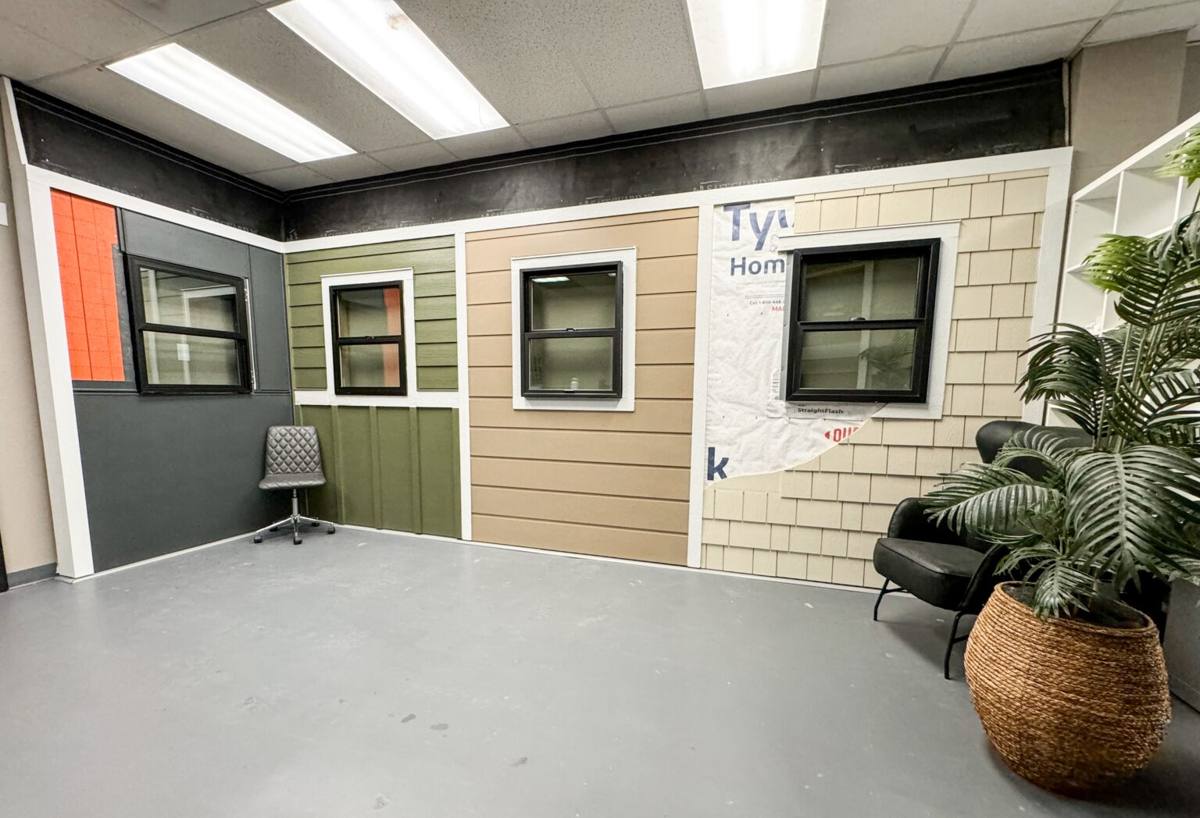
What Salt Air, Rain, and Moss Actually Do to Siding
Salt Air
Airborne salt is corrosive to metal fasteners and trim, and it accelerates the breakdown of paint films and lower-grade coatings. Siding that isn't engineered with a factory-applied, marine-durable finish will often show fading, chalking, or coating failure well ahead of schedule on a Cherry Point exposure compared to the same product installed further from the water.
Driving Rain
Wind-driven rain off open water doesn't just wet a wall's surface — it gets pushed up under laps, into gaps around trim, and behind poorly flashed penetrations. Any siding installation here has to assume rain will hit the wall at an angle, not just fall straight down, and be detailed accordingly.
Moss and Algae
Shaded, north-facing, and tree-covered walls in this climate stay damp for extended stretches, which is exactly what moss and algae need to take hold. Once organic growth establishes itself on a porous or absorbent siding surface, it holds moisture against the wall even longer, which compounds the problem. The material's surface density and finish quality make a real difference in how long a wall stays clean.
What Correct Installation Involves Here
A siding job that looks fine on day one can still fail in five years if the underlying details are wrong. For Cherry Point's exposure, correct installation means:
- A properly lapped and taped weather-resistive barrier behind the siding, with no gaps at seams or penetrations
- Rigid flashing at every window, door, and roof-to-wall transition — not just caulk
- Correct fastener type and placement, following the manufacturer's published installation instructions to the letter
- A ventilated rainscreen gap where conditions call for it, so any moisture that does get behind the cladding can drain and dry
- Manufacturer-specified clearances at grade, decks, patios, and roof lines so the bottom edge of the siding never sits in standing water or snow
- Factory-cut and factory-primed edges wherever possible, with field-cut edges properly sealed
Skipping any one of these doesn't usually cause an immediate problem — it causes a slow one, which is worse, because by the time it's visible the sheathing or framing behind it may already be compromised.
Why We Install Only James Hardie Fiber Cement
We made a deliberate decision to standardize on James Hardie fiber cement siding and stop installing vinyl, LP SmartSide, primed spruce, cedar, or other fiber cement brands. That's not a marketing position — it's a maintenance and durability position, and it matters more in a place like Cherry Point than it would somewhere drier and further from the water.
James Hardie's fiber cement is non-combustible, dimensionally stable in wet-dry cycling, and finished with ColorPlus technology — a factory-baked, multi-coat finish that's engineered to hold color and resist fading in exactly the kind of UV-and-salt exposure this coastline sees. Hardie also produces climate-engineered HZ5 product lines built specifically for wetter, harsher marine and northern climates, which is the specification we use in this area. The company backs the product with a strong, transferable limited warranty, which matters to homeowners who may sell before the siding's functional life is over.
We're not going to tell you other products are junk — vinyl is inexpensive and low-maintenance in mild climates, LP SmartSide has genuine fans, and cedar has real curb appeal. But each of those comes with a real-world trade-off in this climate: vinyl can warp or crack in temperature swings and doesn't hold up structurally the way fiber cement does; engineered wood products are more sensitive to sustained moisture exposure at joints and cut edges; cedar demands ongoing refinishing to keep pace with UV and moisture. For a wall that's going to face salt air and driving rain for decades, we decided fiber cement, installed correctly, is the product we're willing to put our name on.
Material Comparison for a Marine-Exposed Wall
| Factor | Vinyl Siding | Engineered Wood (LP SmartSide) | James Hardie Fiber Cement |
|---|---|---|---|
| Combustibility | Combustible | Combustible | Non-combustible |
| Moisture behavior at cut edges | Low risk (won't rot, but can warp) | Needs sealed/primed edges to resist swelling | Stable; factory-primed edges recommended |
| Finish durability in salt air | Can chalk and fade over time | Painted finish, repaint cycle needed | Factory-baked ColorPlus finish, long fade resistance |
| Typical repaint/refinish need | None, but color fades and can't be matched | Every 7-10 years depending on exposure | Extended; ColorPlus finish is warrantied separately |
| Dimensional stability | Expands/contracts with temperature | Moderate | High |
Our Installation Process
Every Cherry Point job runs through the same disciplined process, whether it's a small elevation or a full re-side:
- On-site assessment — we look at existing siding, sheathing condition, drainage paths, and which elevations take the worst of the wind and rain
- Tear-off and sheathing inspection — old siding comes off and we check for hidden rot or moisture damage before anything new goes up
- Weather barrier and flashing — a fully lapped weather-resistive barrier goes on first, with rigid flashing at every window, door, and penetration
- Rainscreen or direct application — depending on the wall assembly and exposure, we install a ventilated gap behind the siding or apply per Hardie's direct-to-sheathing specifications
- Hardie siding installation — installed to manufacturer fastener schedules, lap requirements, and clearances, using the HZ5 product line appropriate for this climate zone
- Trim, caulking, and touch-up — factory-matched caulk and touch-up paint at cut edges and fastener heads, keeping the finish uniform
- Final walkthrough — we review the completed elevations with the homeowner before calling the job done
Signs Your Current Siding Is Already Losing the Battle
Homeowners near the water often notice these signs years before they'd expect to be thinking about siding replacement:
- Green or black growth on north-facing or shaded walls that returns soon after cleaning
- Visible fading or chalking, especially on walls that face open water or prevailing wind
- Soft spots, bubbling, or delamination near the bottom courses or around windows
- Cracked or warped panels after a hard freeze or heat spell
- Caulk joints that have shrunk, cracked, or pulled away from trim
- Peeling or blistering paint on wood-based siding despite regular upkeep
Any of these are worth a look, since catching them early is the difference between a siding job and a siding-plus-sheathing-repair job.
What Drives the Cost of a Siding Installation Here
Every home is different, so we don't quote broad numbers without seeing the job, but the main cost factors on a Cherry Point project are usually:
| Factor | Why It Matters |
|---|---|
| Existing wall condition | Rot or moisture damage found at tear-off adds sheathing/framing repair |
| Wall complexity | Dormers, multiple gables, and cut-ins take more labor and material per square foot |
| Siding profile | Lap width, shingle-style, and panel systems each carry different material and labor costs |
| Trim and accessory scope | Corner boards, window trim, and fascia work add to the total |
| Rainscreen inclusion | A ventilated assembly adds material and labor but improves long-term drying |
Why Local Experience in Cherry Point Matters
A crew that only occasionally works this stretch of Whatcom County can install siding by the book and still miss the exposure-specific judgment calls — which elevations need extra flashing attention, where a rainscreen gap earns its cost, and how much clearance to leave at grade given how wet this ground stays through the winter. We work this area regularly, which means we're not learning Cherry Point's climate on your house. We know what a properly installed wall looks like here five and ten years out, not just on installation day.
If your siding is aging, showing moss, or you're planning ahead for a replacement, we're happy to take a look and give you a straightforward, no-pressure estimate — no obligation, and no pressure to decide on the spot. Fill out the form below and we'll get in touch.