 Blaine
 Point Roberts Decks Take a Different Kind of Beating
Point Roberts sits on its own little peninsula, water on three sides, which means almost every deck out there gets more salt-laden air, more wind-driven rain, and more standing moisture than a deck ten miles inland in Blaine proper. That combination doesn't just weather wood faster — it changes what "normal wear" looks like. Fasteners corrode sooner. Moss and algae get a foothold on shaded boards and north-facing rail sections within a season or two. Ledger boards and framing that aren't detailed correctly for this exposure rot from the inside before the surface boards even look bad.
We're not telling you this to scare you into a replacement you don't need. Plenty of Point Roberts decks are structurally sound and just need cleaning, refinishing, or a board swap here and there. But when a deck has genuinely reached the end of its service life, replacing it properly for this specific environment — not just rebuilding what was there before — is what actually buys you another 20-plus years instead of another five.
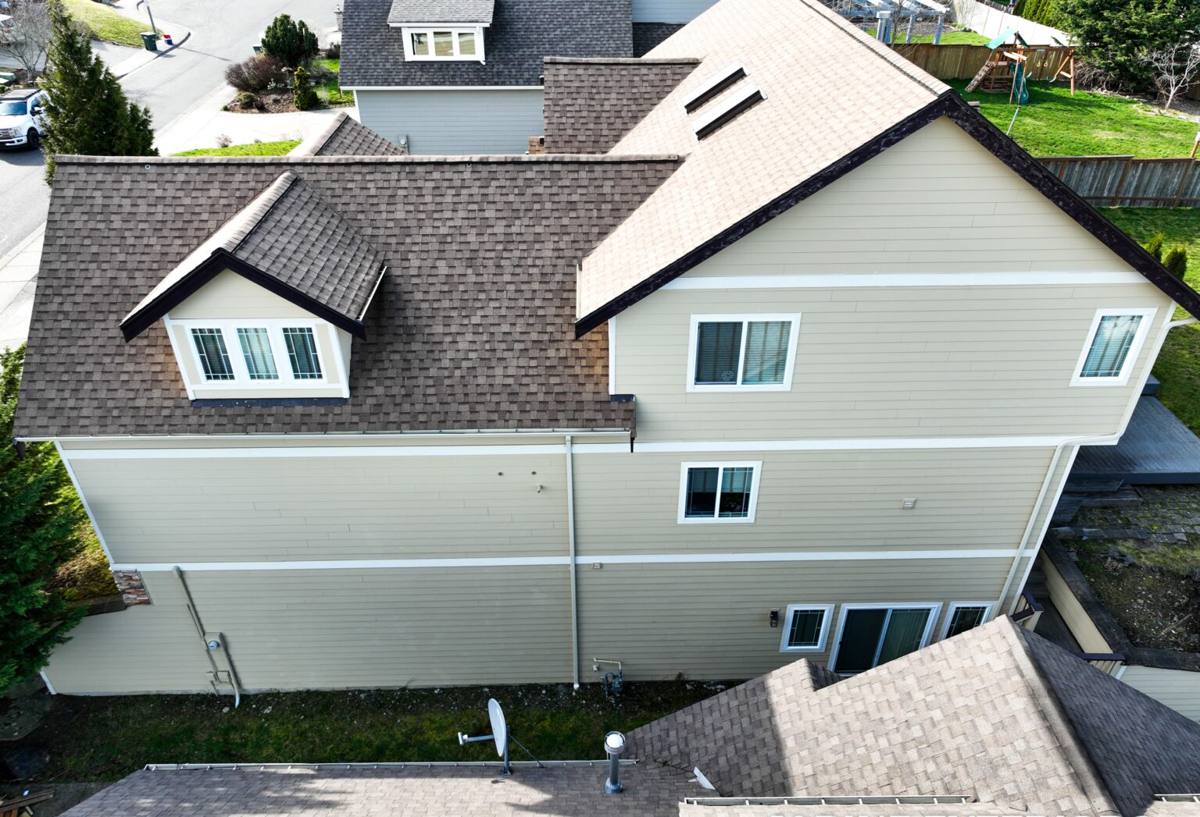
Repair, Restore, or Replace — How to Tell
Signs a Repair Won't Cut It Anymore
- Soft, spongy, or delaminating spots in the decking that spread when pressed, not just isolated boards
- Rot at the ledger board where the deck meets the house — often hidden until flashing is pulled back
- Post bases or footings that have shifted, heaved, or show visible rot at ground contact
- Rail posts that wobble under hand pressure, which usually points to compromised blocking or framing, not just a loose bolt
- Rust streaking from fasteners combined with wood that's gone gray and fibrous rather than just weathered
- A structure built before current code requirements for ledger attachment, joist hangers, or guard-rail spacing
If what you're seeing is mostly cosmetic — surface graying, some moss on the shaded side, a board or two that needs replacing — that's usually a cleaning, sanding, and refinishing job, not a full tear-out. We'll tell you honestly which category your deck falls into during the estimate.
What Correct Deck Replacement Looks Like in This Climate
The Parts Homeowners Don't See
The visible decking is the least of it. In a marine-exposure environment like Point Roberts, the details that determine how long a new deck lasts are almost all hidden once the job's done:
- Ledger flashing that actually sheds water away from the house rim joist, not just a bead of caulk behind the board
- Stainless or coated fasteners rated for the wood or composite being used — mismatched metals corrode fast in salt air
- Joist tape or a moisture barrier on top of framing members so standing water doesn't sit directly on cut lumber
- Proper airflow underneath the deck so moss and mildew don't get a permanently damp, shaded surface to colonize
- Footings sized and set below frost depth, with post bases that keep wood off standing water
Skip any of these and you get a deck that looks great for a year or two and then starts failing from underneath — which is exactly the pattern we see on a lot of the older decks we're called out to replace.
Material Choices for a Point Roberts Deck
There's no single right answer here — it depends on your budget, how much upkeep you want to do, and how exposed the deck is. Here's how the common options actually perform in salt air, rain, and moss conditions specifically:
| Material | Salt Air / Moisture Behavior | Maintenance | Typical Lifespan Here |
|---|---|---|---|
| Pressure-treated lumber | Absorbs moisture readily; needs sealing to resist moss and checking | Annual cleaning, re-sealing every 1-2 years | 10-15 years with upkeep |
| Cedar | Naturally rot-resistant, but surface grays and softens without regular sealing in wet climates | Cleaning and oil/sealer every 1-2 years | 15-20 years with upkeep |
| Composite decking | Doesn't absorb moisture or rot; can still grow surface algae/moss if never cleaned | Periodic washing, no sealing required | 25-30+ years |
| PVC / capped polymer | Fully resists moisture absorption; best option for heavily shaded or low-airflow sections | Occasional washing | 25-30+ years |
We don't push one product on every job. If you want the traditional wood look and are willing to stay on top of sealing, cedar or good treated lumber is a legitimate choice. If you'd rather not be re-sealing a deck every other summer in a climate that works against you, composite or capped polymer earns its higher upfront cost. We'll walk through the real trade-offs for your specific deck's exposure, not just sell you whatever's most profitable.
The Point Roberts Logistics Most Contractors Don't Deal With
Point Roberts is a U.S. exclave — to get there by land, you drive through Canada. That's not a small detail for a deck replacement project. It means material deliveries, dumpster drop-offs, and daily crew travel all have to route through a border crossing, twice, every working day. A contractor who doesn't already have that built into their routine ends up with schedule slips, missed delivery windows, or crews who show up late because they didn't plan for crossing times.
We already work this route regularly, so it's factored into how we schedule and stage material for Point Roberts jobs — not something we're figuring out for the first time on your project. That matters more than it sounds like when you're the one waiting on a crew that got held up at the border with a truck full of lumber.
Our Deck Replacement Process
- On-site assessment: we check the ledger, framing, footings, and existing decking to confirm what actually needs replacing versus what's still sound
- Material walkthrough: honest comparison of wood, composite, and polymer options based on your budget and how exposed the deck is
- Tear-out: full removal of decking, and framing where it's compromised, with a look at what the demo reveals before we close anything back up
- Structural rebuild: ledger flashing, joist hangers, footings, and blocking done to current code, sized for our snow and wind loads
- Decking and rail install: fastening and spacing set for the material chosen, with drainage and airflow accounted for underneath
- Final walkthrough: we go over care and maintenance specific to what was installed before we consider the job done
Why Hiring a Crew That Already Works Point Roberts Matters
Beyond the border logistics, there's real value in a contractor who's seen how decks in this specific pocket of Whatcom County actually fail. We know which framing details tend to rot first in this exposure, which shaded rail sections grow moss fastest, and which corners get cut on older builds that cause problems ten years down the line. That's the kind of knowledge you only get from doing the work here repeatedly, not from a general contractor's résumé.
What to Ask Before You Hire Anyone for This Job
- Are you licensed and insured to work in Washington, and can you show proof?
- Have you built or replaced decks in Point Roberts or similarly exposed coastal areas before?
- Will you pull the required permit, or is that left to me?
- What fastener and flashing details do you use, and why — can you explain the reasoning, not just the product name?
- What's your plan for material delivery and crew scheduling given the border crossing?
A contractor who hesitates on the last two questions probably hasn't done many jobs out there.
Keeping a New Deck Ahead of the Moss and Salt
Whatever material you choose, a little seasonal attention keeps a new deck looking and performing the way it should:
- Sweep and rinse regularly — salt residue and organic debris are what feed moss and algae growth
- Keep gutters and downspouts clear so runoff isn't dumping extra water directly onto the deck surface
- Trim back vegetation that's shading and keeping moisture on the deck longer than it needs to be there
- For wood decks, stick to a sealing schedule rather than waiting until graying is obvious
- Check rail posts and stair connections once a year for any movement, especially after a hard winter
None of this is complicated, but skipping it is exactly how a well-built deck ends up needing early repairs in a climate like this one.
Get a Straight Answer on Your Deck
If you're not sure whether your Point Roberts deck needs a full replacement or just some attention, we're glad to take a look and tell you honestly which it is. The estimate is free, there's no pressure, and you'll get a clear breakdown of what we'd recommend and why — use the form below to get started.