 Blaine
 Why Birch Point Windows Take More Punishment Than Most
Birch Point sits right where the wind comes off the water, and that changes what a window has to survive. Salt-laden air works its way into hardware, weep holes, and any gap in a poor seal. Wind-driven rain doesn't just fall on a window, it gets pushed sideways into the frame under pressure, testing seals and flashing details that never get tested on a home fifty miles inland. And then there's the long stretch of grey, wet months every year where moss and mildew get a head start on anything that stays damp too long. A window that works fine in a dry climate can fail here in a fraction of the time if it wasn't built or installed with this specific environment in mind.
That's the starting point for any custom window job in this neighborhood. It's not about picking the prettiest window in a catalog. It's about picking materials, glazing, and hardware that hold up to Whatcom County's marine climate, and then installing them in a way that actually manages water instead of just hoping it doesn't get in.
What "Custom" Actually Means Here
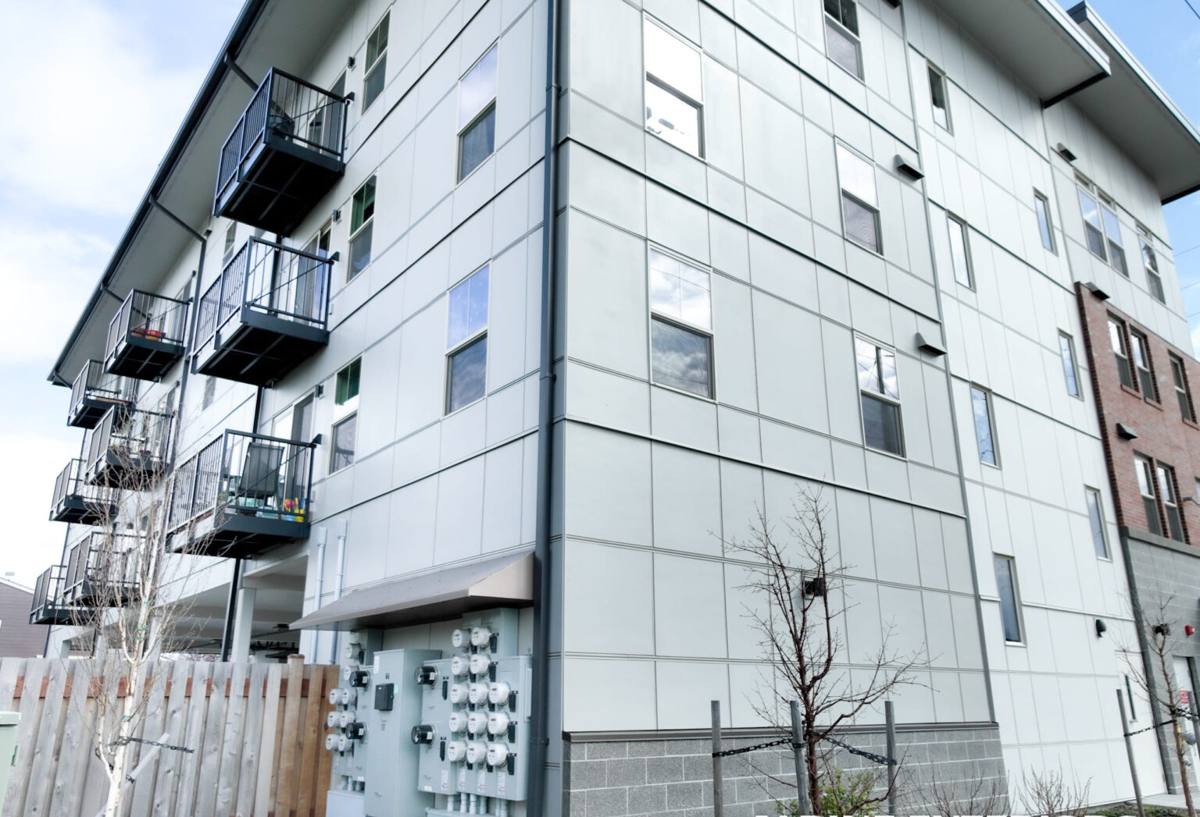
Custom doesn't mean expensive for its own sake. It means the window is sized, specified, and detailed for the actual opening and the actual exposure of your house, rather than pulled off a shelf in a standard size and forced to fit. On older Birch Point homes especially, openings are rarely perfectly square or a standard dimension, and the original construction often didn't anticipate the level of water exposure the home actually gets from its position relative to the water and prevailing wind.
A custom approach covers:
- Exact measurement of each opening, since even openings that look identical from the outside can vary by a half inch or more
- Frame material matched to sun exposure, salt exposure, and how much upkeep you actually want to do
- Glazing package chosen for wind load and condensation resistance, not just energy code minimums
- Flashing and sill pan detailing designed for a wall that gets hit with wind-driven rain, not a sheltered wall
- Hardware and finishes rated for coastal or near-coastal corrosion resistance
Skip any one of those and you can end up with a window that looks right for a few years and then starts showing staining, fogging between panes, or soft trim around the frame.
Frame Material: What Actually Holds Up Near the Water
There's no single "best" frame material for every house, but there are real trade-offs worth understanding before you decide.
| Material | Strengths in this climate | Trade-offs |
|---|---|---|
| Vinyl | Won't rust or corrode from salt air, low maintenance, good value | Can expand and contract with temperature swings; quality varies a lot between manufacturers |
| Fiberglass | Very stable dimensionally, strong resistance to moisture and corrosion, holds paint well if you want a custom color | Higher upfront cost than vinyl |
| Wood-clad | Classic look, good insulator | Any breach in the cladding lets moisture reach the wood core, which is a real risk in a wet, salty climate; needs more diligent maintenance |
| Aluminum | Strong, slim sightlines | Conducts heat and cold, and needs a marine-grade finish here or it will corrode faster than other materials |
For most Birch Point homes we lean toward vinyl or fiberglass because they simply have fewer failure points in a salt-air, high-moisture environment. We're not against wood-clad or aluminum, but we tell people upfront what kind of maintenance commitment those materials carry this close to the water, so there are no surprises five years in.
Glazing and Hardware Details That Matter More Here
Double-pane, low-E glass is the baseline almost everywhere now, but a few details matter more in this specific location:
- Look for a warm-edge spacer system, which resists seal failure better in homes that see frequent temperature and humidity swings
- Ask about the corrosion rating on hinges, locks, and cranks — standard hardware can start showing rust or pitting faster in salt air
- Consider laminated glass in exposed elevations for added resistance to wind-driven debris during winter storms
Flashing and Water Management: The Part You Never See
Most window failures aren't glass failures. They're water management failures. If a window is set into the rough opening without a proper sill pan, back dam, and integrated flashing that ties into the weather-resistive barrier, wind-driven rain will eventually find its way behind the trim and into the wall assembly. On a wall that takes direct hits off the water, that's not a hypothetical, it's a matter of time.
A correct installation:
- Prepares the rough opening and inspects the sheathing and framing for existing moisture damage before anything new goes in
- Installs a sloped sill pan so any water that does get past the window drains back out, not into the wall
- Integrates window flashing tape with the existing weather-resistive barrier in the correct shingle-lap order, so water sheds down and out at every layer
- Seats the window plumb, level, and square, then shims and fastens it per the manufacturer's structural requirements
- Seals and caulks only where it belongs, leaving the bottom of the window able to drain rather than sealing it into a bathtub
That last point trips up a lot of DIY and lower-end installs. Caulking the entire perimeter, including the bottom, seems thorough but actually traps any water that gets past the window instead of letting it drain. It's a small detail with a big consequence.
Our Process for a Birch Point Window Job
We keep this straightforward because there's no reason to make it complicated.
1. On-site assessment
We look at each opening, check for existing moisture or rot around the frames, and talk through what's actually driving the replacement — comfort, drafts, fogged glass, damage, or just planning ahead.
2. Material and glazing recommendation
Based on which elevation of the house we're working on and how exposed it is to wind and salt spray, we'll walk you through frame material and glazing options suited to that specific side of the house, not a one-size answer for the whole home.
3. Precise measurement and ordering
Every opening gets measured individually. We don't assume openings match just because they look the same from the yard.
4. Removal and inspection
When we pull the old window, we check the sheathing and framing underneath. If there's hidden moisture damage from a prior poor install, we address it before the new window goes in rather than sealing a problem behind new trim.
5. Installation with full flashing detail
Sill pan, flashing integration, air sealing, and correct fastening, done in the order that actually manages water.
6. Final check and walkthrough
We test operation, check the seal, and walk through care and maintenance specific to the material you chose.
Living With Moss, Mildew, and a Long Wet Season
Whatcom County's moss season runs long, and it doesn't just grow on roofs. Sills, tracks, and the shaded sides of window frames can collect organic buildup if they're not draining and drying properly. A correctly installed window with a sloped sill and good drainage sheds this naturally. A poorly detailed one holds moisture right where moss and mildew like it, which accelerates wear on both the window and the surrounding trim.
A few habits help regardless of how new your windows are:
- Clear debris from tracks and weep holes each fall before the wet season sets in
- Rinse salt residue off exterior frames periodically, especially on elevations facing the water
- Check caulking annually for cracking or gaps, particularly on south and west-facing walls that see the most weather
- Keep gutters and downspouts clear so runoff isn't sheeting directly across window openings
What Affects Cost on a Custom Window Job
Every home is different, so we won't quote a number without seeing the job, but these are the factors that actually move the price up or down.
| Factor | Why it matters |
|---|---|
| Frame material | Vinyl generally costs less upfront than fiberglass or wood-clad |
| Opening condition | Hidden rot or framing repair found during removal adds labor and material |
| Number and size of openings | Larger or custom-shaped windows cost more to fabricate and install than standard sizes |
| Glazing upgrades | Laminated glass or upgraded spacer systems add cost but pay off in durability here |
| Access and elevation | Upper-story or hard-to-access windows take more time and equipment |
Broadly, homeowners in this area should expect a wide range depending on these factors — a single standard vinyl replacement sits at the lower end, while larger custom-sized or higher-spec fiberglass windows on multiple elevations push toward the higher end. We'll give you a specific number after we've actually looked at your openings, not before.
Checklist Before You Hire Anyone for This Job
- Ask what sill pan and flashing method they use — if they can't explain it clearly, that's a red flag
- Ask whether they inspect for hidden moisture damage during removal, not just after a problem shows up
- Confirm they carry proper licensing and insurance for exterior work in Washington
- Ask how they handle openings that aren't standard sizes, since a lot of Birch Point homes have some non-standard framing
- Get the warranty terms in writing, both for the window product and for the labor
Why Local Experience in This Exact Area Matters
A crew that already works in Blaine and along this stretch of Whatcom County knows how differently a wall performs a few hundred yards from the water compared to one further inland. We know which elevations tend to take the worst of the wind-driven rain, how fast moss builds up on north-facing trim in this climate, and what kind of flashing detail actually holds up through a full winter of storms rather than just looking right on install day. That's not something you get from a crew that mostly works dry, sheltered neighborhoods and treats every job the same.
If you're dealing with drafty, fogged, or aging windows in Birch Point, or you're planning ahead before the next wet season, we're happy to take a look and give you a straight, no-pressure estimate using the form below.