 Blaine
 Building New at Birch Point? The Windows Have to Match the Site
Birch Point sits close enough to the water that salt air, wind-driven rain, and a long wet season are just part of building here. When a house is framed and ready for windows, that's the one shot to get the water management right before siding, trim, and interior finishes close everything up. A new-construction window install isn't just "put the window in the hole" — it's a sequence of flashing, sealing, and fastening steps that determines whether that opening stays dry for the next 30 years or becomes a slow leak nobody notices until there's rot in the wall.
We work new-construction jobs around Blaine and the rest of Whatcom County regularly, and Birch Point comes with its own set of conditions worth planning for before the first window ships.
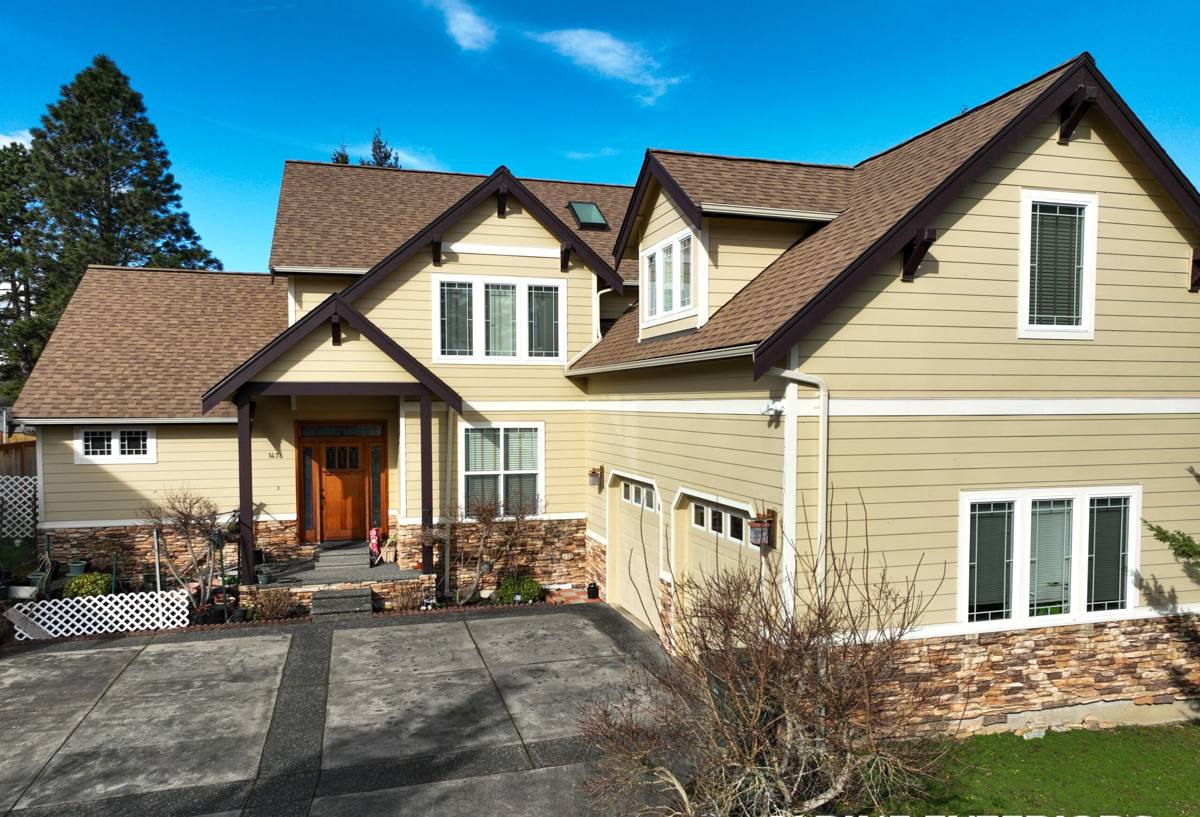
What Birch Point's Climate Demands From a Window Install
Salt Air and Corrosion
Proximity to Semiahmoo Bay and the Strait of Georgia means airborne salt is a real factor for anything metal on the exterior — fasteners, flashing, and hardware included. Cheap or mismatched metals corrode faster here than they would further inland, and once a fastener starts rusting behind the cladding, you don't see it until staining or a loose window shows up. We spec corrosion-resistant fasteners and flashing on every coastal install, not just as an upsell but because it's what actually holds up in this air.
Wind-Driven Rain and Water Management
Storms coming off the water don't just drop rain straight down — they push it sideways into wall assemblies under real pressure. A window opening that would be fine in a calmer inland location can leak here if the flashing isn't lapped correctly or if house wrap isn't integrated with the window flange the right way. The flashing sequence — not the window brand — is usually what determines whether wind-driven rain stays outside.
Moss Season and Prolonged Moisture
Whatcom County's wet months mean long stretches where surfaces stay damp, and moss and mildew take hold on anything that traps moisture — sills, drip caps, and low-slope trim especially. New-construction windows give us the advantage of building in proper slope and drainage from the start, rather than trying to correct it later on an existing wall.
New-Construction vs. Retrofit: Why the Method Matters
New-construction windows have a nailing fin that gets integrated directly into the wall's weather-resistive barrier before siding goes on. That's different from a retrofit or "pocket" replacement, which fits into an existing frame with the old flashing left in place. On a new build or an addition at Birch Point, we always want the full new-construction method — it's the only approach that lets us control the entire water path from sheathing to siding.
| Factor | New-Construction Install | Retrofit/Pocket Install |
|---|---|---|
| Flashing control | Full access to integrate with house wrap | Limited to existing opening conditions |
| Best used for | New builds, additions, full siding tear-offs | Existing walls where siding stays in place |
| Long-term water performance in driving rain | Highest, when sequenced correctly | Good, but dependent on original opening condition |
| Sill pan and drainage detailing | Built in from the start | Constrained by what's already there |
What a Correct New-Construction Install Involves
The window unit itself matters, but most leaks trace back to the sequence around it, not the product. On every install we follow the same core steps:
- Sill pan flashing installed first, sloped to drain water back outside the wall
- Window set plumb, level, and square — even a small tilt affects how the sash seals over time
- Flashing tape or metal flashing lapped in the correct shingle-style order at jambs and head so water always moves down and out, never in
- House wrap integrated over the flange, not just taped around it
- Corrosion-resistant fasteners driven per the manufacturer's pattern, not "close enough"
- Interior and exterior sealant used only where it belongs — sealant is a backup to good flashing, not a substitute for it
Skip or rush any one of these and the window can look fine for years while water quietly works its way into the framing behind it. This is why we treat the sequence, not just the product, as the job.
Choosing the Right Window for a Coastal Whatcom County Build
Frame material affects how a window handles salt air, moisture, and temperature swings near the water. There's no single "best" option — it depends on budget, maintenance tolerance, and the look you want for the house.
| Frame Material | Coastal Performance | Maintenance | Typical Trade-Off |
|---|---|---|---|
| Vinyl | Good — won't corrode or rot | Low | Fewer color/finish options long-term |
| Fiberglass | Very good — stable in temperature and humidity swings | Low | Higher upfront cost |
| Wood-clad | Good exterior protection, but interior wood needs care | Moderate to high | Best for a specific traditional look, more upkeep |
| Aluminum | Prone to corrosion in salt air unless properly coated | Moderate | We use it selectively, with coastal-rated finishes |
We'll walk through the trade-offs for your specific build rather than push one product line — the right call depends on how exposed the wall is, what the rest of the exterior looks like, and what you want to be doing (or not doing) in ten years.
Our Process for a Birch Point New-Construction Job
Every site is a little different, but the framework stays consistent:
- Walk the plans or the framed openings and confirm rough opening sizes before ordering
- Review window selection with you — frame material, glass package, and how much sun and wind exposure that specific wall gets
- Coordinate timing with your framer or siding crew so windows go in at the right point in the build sequence
- Install using the sill pan, flashing, and fastening sequence described above
- Final check of operation, seal, and squareness before we call it done
Because we're often on-site alongside other trades during a build, we also flag anything upstream — a sill that's not sloped right, sheathing gaps, house wrap that's not lapped correctly — before it becomes a window problem instead of a framing problem.
Why a Crew That Already Works Birch Point Matters
Window flashing details that work fine in a drier, more sheltered part of the country aren't always enough on a wall that takes direct wind off the water. A crew that installs regularly around Blaine and Birch Point has already seen where standard details fall short in this specific exposure, and adjusts before problems start — not after a callback. That's less about brand loyalty to any one manufacturer and more about having the flashing and drainage habits dialed in for how weather actually behaves on this stretch of coastline.
It also means fewer surprises on scheduling. Local crews know how wet-season timing affects a build schedule and plan window delivery and install windows (pun aside) around it, rather than losing days to weather nobody anticipated.
Common Mistakes We See on Coastal New-Construction Jobs
Most of the problems we get called to fix later didn't start with a bad window — they started with a shortcut in the install:
- Sealant used as the primary water barrier instead of a backup to proper flashing
- House wrap taped around the flange instead of lapped over it in the correct order
- Fasteners that aren't rated for coastal exposure, leading to early corrosion and staining
- No sill pan, or a sill pan that isn't sloped to drain
- Windows ordered before rough openings are field-verified, leading to gaps packed with extra sealant instead of a proper fit
None of these show up on day one. They show up two, five, or ten years later, which is exactly why the install sequence matters more than most homeowners realize going in.
Caring for New Windows Through Moss Season
Once the windows are in, a little seasonal attention keeps them performing. Clear debris from sills and any nearby gutters before the wet months set in, so water has somewhere to go besides sitting against the frame. Rinse sills and trim periodically to keep salt residue and moss spores from building up. And if you ever notice a window sticking, a drafty spot, or discoloration at a corner, get it looked at early — those are usually easy fixes when caught before moisture has time to work into the wall.
If you're building or adding on near Birch Point and want windows installed the right way the first time, we're happy to walk the site, talk through frame options for your specific exposure, and put together a free, no-pressure estimate. There's a form below to get that started.