 Blaine
 Windows Built for Sumas Weather, Not Just Sumas Style
Sumas sits inland from the coast but still gets the full weather package that defines this corner of Whatcom County: long stretches of driving rain, a moss season that seems to run nine months of the year, and enough salt-laden air drifting in off the Strait that metal components and exposed wood take a beating over time. A window that was installed correctly in Spokane or Boise won't necessarily hold up the same way here. Local installation isn't a marketing line — it's a different set of decisions about flashing, sealants, materials, and drainage that account for how much water this area actually sees.
When we talk about window installation in Sumas, we're not just talking about swapping old glass for new glass. We're talking about correcting the moisture path around the opening, making sure the assembly can shed water instead of trapping it, and picking materials that won't degrade under constant damp exposure.
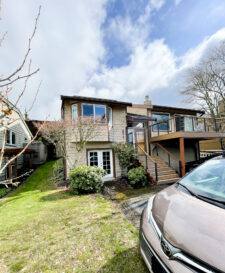
How This Climate Wears Down Windows Over Time
Most window failures we see in this area aren't sudden — they're the slow result of moisture doing its job over several rainy seasons. Understanding the pattern helps explain why installation quality matters more here than it does in a drier climate.
Common signs of trouble
- Fogging or condensation between panes, meaning the seal has failed
- Soft or discolored trim and sill wood, especially on the side of the house that takes the most weather
- Moss or dark green streaking building up in window tracks and corners that stay shaded and damp
- Drafts or a noticeable temperature difference near the window during winter storms
- Paint that keeps bubbling or peeling around the frame no matter how often it's redone
- Difficulty opening or closing sashes due to swollen wood or warped vinyl
Any one of these on its own might just mean the window is aging normally. Several of them together, especially on an older home, usually point to a flashing or sealant failure that's been letting water into the wall cavity for a while.
What a Correct Installation Actually Involves
A window installation is really a small waterproofing project with a window in the middle of it. The glass and frame matter, but most long-term failures trace back to what happens around the opening, not the window unit itself.
The parts that actually determine whether it lasts
Proper flashing integration ties the window into the house's existing water-resistive barrier so rain is directed down and out, never behind the siding. Sill pan flashing creates a sloped, sealed catch basin at the bottom of the opening — the single most common weak point we find in older installations. Backer rod and the right sealant, applied in the correct order, allow for expansion and contraction without cracking open a gap for water to find. Shimming and leveling keep the sash operating smoothly for years instead of binding or sagging within a season or two. Interior air sealing (not just exterior caulking) stops warm indoor air from reaching the cold glass and condensing inside the frame.
Skipping or rushing any one of these steps is how a brand-new window ends up with rot behind the trim three or four winters later.
Choosing the Right Window for a Wet, Salt-Exposed Climate
Material choice matters more here than in a lot of the country, mostly because of moisture cycling and the slow corrosive effect of the marine air moving through this part of Whatcom County. There isn't one universally "best" answer — it depends on your budget, the style of the home, and how much upkeep you want to commit to.
| Material | Moisture Performance | Maintenance | Typical Trade-Off |
|---|---|---|---|
| Vinyl | Good — won't rot, resists corrosion | Low | Limited color/finish options, can look less premium on older architectural styles |
| Fiberglass | Very good — dimensionally stable, holds paint well | Low to moderate | Higher upfront cost than vinyl |
| Aluminum | Fair — durable but can corrode near salt air over time without proper coatings | Moderate | Poor insulator unless thermally broken |
| Wood / wood-clad | Requires diligent sealing and upkeep to prevent rot | High | Best traditional look, but the highest long-term maintenance burden in this climate |
We're honest with homeowners about this: solid wood windows look great, but in a climate with this much sustained moisture, they demand a maintenance schedule most people underestimate when they buy the house. If you love the wood look, a wood-clad or fiberglass option with a wood interior often gets you the appearance without the same exposure risk on the exterior face.
Our Installation Process
The process is the same whether it's one window or a whole-house replacement — we just don't skip steps to save time.
- On-site assessment: we check existing framing, look for hidden rot or past water damage, and measure precisely rather than relying on the old unit's listed size.
- Removal: old windows and trim come out carefully so we can inspect the sheathing and framing underneath before anything new goes in.
- Repair, if needed: any soft wood or compromised framing gets addressed before a new window goes into the opening — installing a new window over hidden rot just hides the problem.
- Flashing and sill pan installation: this is where most of the long-term waterproofing happens, and it's done to shed water outward, not just seal it shut.
- Window setting, shimming, and leveling: for proper operation and even weight distribution.
- Interior and exterior sealing: insulation at the gap, sealant at the exterior, and trim reinstalled or replaced.
- Final check: operation, seal integrity, and cleanup.
What Affects the Cost of a Window Installation Job
We won't quote a number without seeing the job, but these are the factors that typically move the price up or down:
| Factor | Why It Matters |
|---|---|
| Number of windows | Per-unit cost usually drops on larger jobs due to shared setup and labor efficiency |
| Material chosen | Vinyl, fiberglass, and wood-clad carry different price points, discussed above |
| Hidden rot or framing damage | Found during removal — repair adds labor and material but prevents a repeat failure |
| Window size and type | Large picture windows, bays, or custom shapes cost more than standard double-hungs |
| Access and height | Second-story or hard-to-reach openings take more time and equipment |
| Trim and siding tie-in | Matching existing trim profiles or siding after replacement can add finish work |
Broadly, a straightforward single-window replacement runs on the lower end of the local market range, while a full-house replacement with rot repair, upgraded glass, and trim work lands toward the higher end. We'll walk through the specifics for your home during the estimate rather than guessing over the phone.
What to Check Before Hiring Anyone for This Job
Window installation is one of those jobs where a rushed or cut-rate crew can leave you with a problem that doesn't show up until a couple of rainy seasons later — by which point the wall behind the window may already be compromised. Before you hire:
- Ask specifically how they handle sill pan flashing, not just "do you use flashing"
- Confirm they inspect and repair framing/sheathing before installing, not after problems appear
- Get a written scope that names the specific window line and glass package, not just "vinyl windows"
- Ask how they handle unexpected rot found once the old window comes out
- Check that they carry proper licensing and insurance for work in Washington State
- Ask whether they've worked in this specific area and understand the moisture conditions here
Why Local Experience in This Area Actually Matters
A crew that regularly works homes in and around Sumas and greater Whatcom County has already seen how the local combination of driving rain, humidity, and salt-tinged air affects window installations over time. That means fewer surprises on your job — we know to expect soft framing on certain orientations of older homes, we know moss and algae buildup in tracks is a maintenance issue worth flagging early, and we know which sealants and materials actually hold up through a full wet season rather than just looking good on installation day. That local pattern recognition is the difference between a window that performs for fifteen-plus years and one that needs attention again in three.
Get a Straightforward Estimate
If your windows are fogging, drafty, hard to operate, or just original to a home that's due for an upgrade, we're happy to take a look and give you an honest read on what's going on — no pressure, no inflated diagnosis. Use the form below to request a free estimate for window installation in Sumas.