 Blaine
 Roofing Built for the Semiahmoo Peninsula, Not Just the Catalog Spec
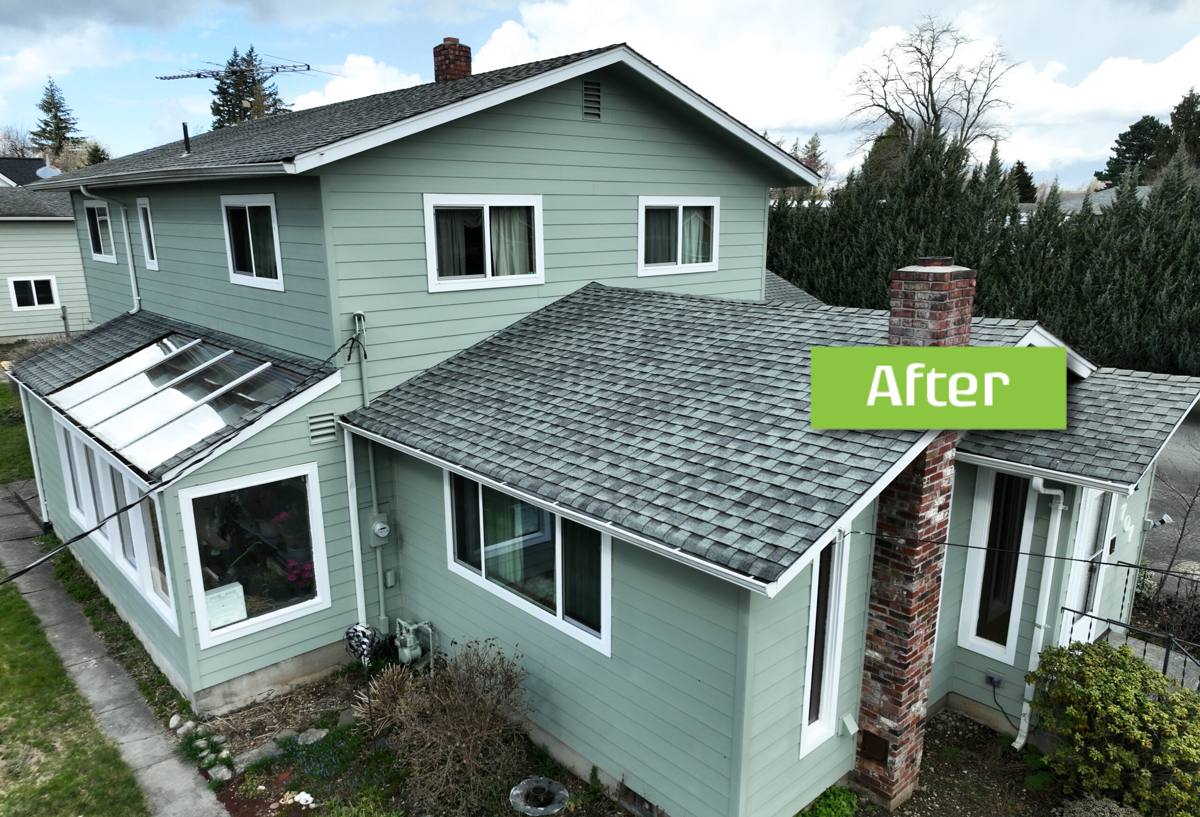
Semiahmoo sits right where Whatcom County meets Semiahmoo Bay and the Strait of Georgia, and that location shapes everything about how a roof ages here. Homes on the spit and along the shoreline take a steady dose of salt-laden air, wind-driven rain off the water, and a wet, mild winter that keeps roofs damp for weeks at a time. An asphalt shingle roof that would hold up fine twenty miles inland can wear out early here if it wasn't installed with this specific exposure in mind. This page is about doing asphalt shingle roofing the right way for Semiahmoo specifically — what the climate demands, what a correct installation actually includes, and how we approach the work as a crew that installs and repairs roofs in this area regularly.
What Salt Air, Driving Rain, and Moss Season Actually Do to a Shingle Roof
These three conditions don't act alone — they compound each other, and understanding how helps explain why certain shortcuts show up as problems within a few years instead of a couple decades.
Salt Air and Corrosion
Airborne salt from the bay settles on every exposed metal component on a roof — nail heads, flashing, drip edge, vent stacks, and gutter hardware. Standard electro-galvanized fasteners and low-grade flashing can start showing surface corrosion well before the shingles themselves are due for replacement. Once a fastener corrodes and loses its grip, or a piece of flashing pits through, water finds a path underneath the shingle field even though the shingles look fine from the ground.
Wind-Driven Rain
Rain that comes in sideways off the water behaves differently than rain falling straight down. It can work up and under shingle tabs, push past standard nailing patterns, and find weak points at valleys, eaves, and penetrations that would stay dry in a calmer inland storm. Roofs here need sealing details and fastening patterns that assume the rain won't always be falling the way the shingle manufacturer's baseline diagrams show.
Moss and Algae Season
Western Washington's long, mild, wet stretch from fall through spring is close to ideal growing conditions for moss and algae. Moss holds moisture against the shingle surface, works into the granule layer, and over time can lift tabs and shorten shingle life. Algae staining is mostly cosmetic but signals a roof surface that stays damp longer than it should — often because of shade, poor airflow, or a north-facing slope that never fully dries between rain events.
What a Correct Asphalt Shingle Installation Includes Here
A shingle roof is a system, not just a layer of shingles nailed to plywood. In a climate like Semiahmoo's, every layer underneath the shingles matters as much as the shingles themselves.
Underlayment
We use synthetic underlayment as the standard water-resistant barrier under the shingle field, with self-adhered ice-and-water membrane at the eaves, valleys, and any low-slope transitions where standing water or wind-driven rain is most likely to test the roof.
Flashing
Step flashing at walls and chimneys, and properly formed valley and drip-edge flashing, need to be corrosion-resistant metal — not just galvanized steel that will start pitting in a salt-air environment. Flashing is one of the most common places we find leaks on older Semiahmoo roofs, usually because it was undersized, reused during a prior re-roof, or not tied into the underlayment correctly.
Ventilation
Balanced intake and exhaust ventilation keeps the underside of the roof deck dry and close to outdoor temperature. Without it, moisture from the living space condenses in the attic, which rots decking from below regardless of how good the shingles above it are. In a damp coastal climate, ventilation isn't optional — it's part of what keeps the whole roof assembly dry.
Fastening
Shingles need to be nailed with the correct number of fasteners, in the manufacturer's nailing zone, driven flush (not overdriven or underdriven). In higher-wind, higher-rain exposures like the Semiahmoo shoreline, we don't cut corners on fastener count or placement — it's the difference between a roof that stays sealed in a winter storm and one that starts losing tabs.
Choosing the Right Shingle for a Salt-Air, Moss-Prone Climate
Not every asphalt shingle product is a great fit for this exposure. The table below compares the general categories homeowners in Semiahmoo typically choose between.
| Shingle Type | Typical Lifespan | Moss/Algae Resistance | Best Fit For |
|---|---|---|---|
| Standard 3-tab | 15–20 years | Low unless treated | Budget-driven projects on less-exposed slopes |
| Architectural (laminated) | 25–30 years | Moderate, better with algae-resistant granules | Most Semiahmoo homes — good balance of durability and cost |
| Algae-resistant (copper/zinc granule) architectural | 25–30+ years | High — granules actively inhibit algae growth | Shaded roofs, north-facing slopes, homes near mature trees |
| Premium/designer laminated | 30+ years | High, typically algae-resistant as standard | Homeowners prioritizing longevity and appearance |
For most homes in and around Semiahmoo, we recommend at minimum an architectural shingle with algae-resistant granules. The upgrade cost over standard 3-tab is modest, and the resistance to moss and algae buildup pays for itself in fewer cleanings and a longer usable life given how long this area stays damp each year.
Our Process for Semiahmoo Roofing Projects
We keep the process straightforward and communicate clearly at each step, since a roof replacement or major repair is disruptive to a household and we want to minimize surprises.
- On-site inspection. We walk the roof (or use a drone/ladder assessment where access is limited) and check the deck, flashing, ventilation, and current shingle condition — not just the surface.
- Written estimate. We explain what we found, what needs to happen, and give you options rather than a single take-it-or-leave-it quote.
- Material selection. We help you weigh shingle grade, color, and warranty against your budget and how exposed your particular roof slope is to salt air and wind-driven rain.
- Tear-off and deck check. We remove the old roofing down to the deck and inspect for rot or soft spots before anything new goes down — this is where hidden moisture damage from years of coastal exposure often shows up.
- Underlayment and flashing installation. Ice-and-water membrane at vulnerable areas, synthetic underlayment across the field, new corrosion-resistant flashing throughout.
- Shingle installation. Correct nailing pattern and fastener count for the exposure, with careful attention to valleys, eaves, and any penetrations.
- Ventilation check. We confirm intake and exhaust venting is balanced and functioning before we consider the job complete.
- Final walkthrough. We review the finished roof with you, cover basic maintenance, and make sure the site is cleaned up.
Maintenance That Actually Matters in This Climate
A well-installed shingle roof still needs some upkeep in a place like Semiahmoo. Here's what genuinely moves the needle:
- Keep gutters and downspouts clear — clogged gutters back water up under the eave edge, especially during heavy winter rain events.
- Trim back overhanging branches to reduce shade and debris buildup, which slows drying and encourages moss.
- Have moss physically removed (not just chemically treated) if it's already established, rather than letting it sit and hold moisture against the shingles.
- Check attic ventilation isn't blocked by insulation, especially after any attic work or insulation upgrades.
- Walk the roofline visually after major windstorms for lifted or missing shingles rather than waiting for a leak to show up inside.
- Schedule a periodic inspection every few years, even without visible problems, since flashing and fastener corrosion in a salt-air environment isn't always visible from the ground.
What Affects the Cost of a Semiahmoo Roofing Project
Every roof is different, but these are the main factors that move the price on a shingle roofing project in this area.
| Factor | Why It Matters |
|---|---|
| Roof size and pitch | More surface area and steeper pitches take more material and labor time |
| Number of layers being removed | Tear-off of multiple old layers adds disposal and labor cost |
| Deck condition | Rotted or soft decking found during tear-off needs replacement before new roofing goes down |
| Shingle grade selected | Standard vs. algae-resistant vs. premium laminated shingles carry different material costs |
| Flashing and ventilation scope | Full flashing replacement and ventilation upgrades add labor but reduce future leak risk |
| Access and site conditions | Steep sites, limited driveway access, or landscaping to protect can affect labor time |
We give a firm written estimate after inspecting your specific roof rather than a rough number over the phone, since deck condition and flashing needs aren't visible until we're actually up there.
Why Hiring a Crew That Already Works Semiahmoo Matters
Roofing crews that mostly work drier, more sheltered inland areas don't always account for salt exposure, wind-driven rain angles, or the sheer length of moss season on the water side of Whatcom County. That shows up later as premature flashing corrosion, moss establishing faster than expected, or leaks at valleys that should have been detailed differently for this exposure. A crew that regularly works Semiahmoo and the surrounding Blaine area builds in the right underlayment coverage, flashing material, and fastening approach as a default — not as an upsell after something has already failed. That local pattern recognition is hard to replicate from a spec sheet alone.
Get a Straightforward Estimate
If your Semiahmoo home needs a new shingle roof, a repair, or just an honest inspection to see where things stand, we're happy to take a look. Fill out the form below for a free, no-pressure estimate — we'll tell you plainly what we find and what your real options are.