 Blaine
 Nooksack's Climate Is Harder on Windows Than Most Homeowners Realize
Windows in the Nooksack area don't fail because of one bad storm. They fail slowly, from years of the same pattern repeating itself: damp air moving in off the water, weeks of steady rain, short dry spells that never quite finish drying things out, and long stretches of moss and algae growth on anything shaded or north-facing. Whatcom County doesn't get dramatic weather most years — it gets persistent weather, and persistent weather is what finds every weak point in a window that wasn't installed correctly the first time.
Even homes set back from the shoreline toward Nooksack still sit inside that same marine weather pattern that soaks Blaine and the rest of the county. The driving rain angle changes with the wind, humidity stays elevated for months at a stretch, and wood trim or frame components that don't drain properly hold moisture long enough to start breaking down. A window that would be fine in a drier climate can develop rot, fogging, or seal failure here years ahead of schedule if the install skipped proper flashing or sealant work.
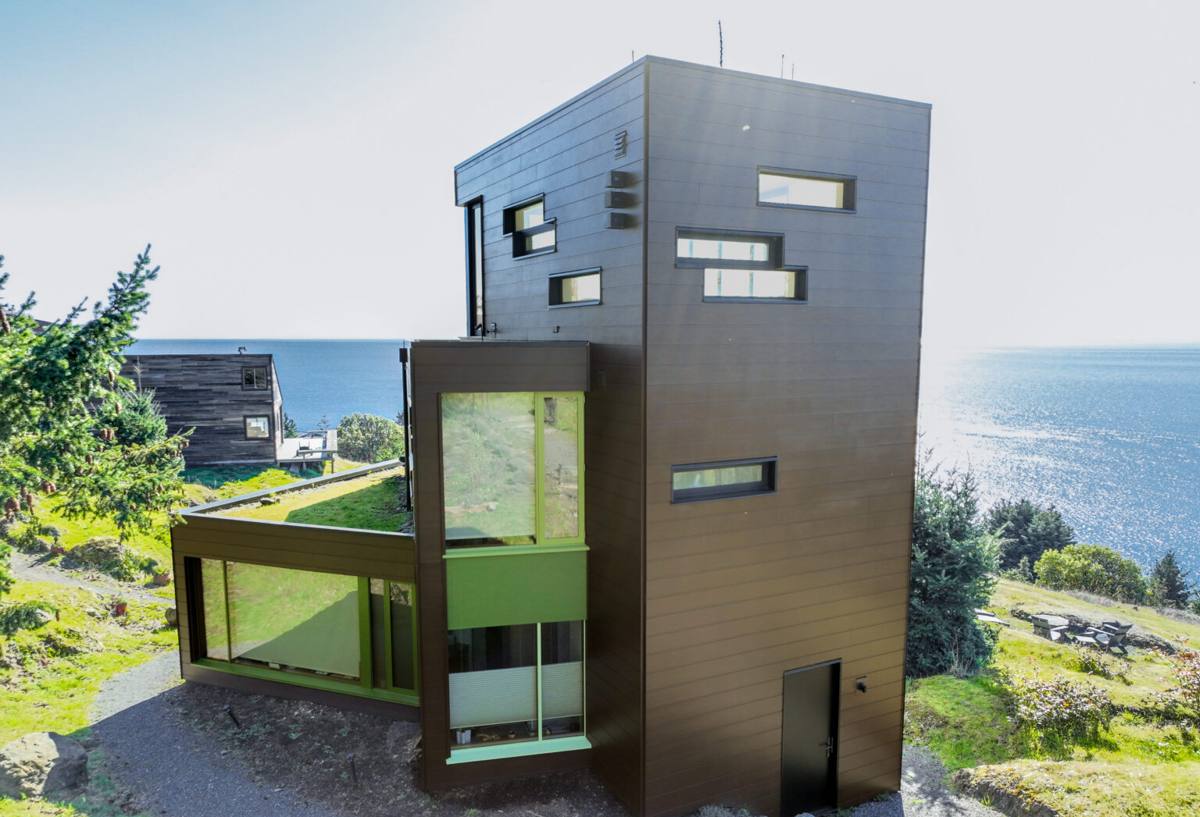
What Actually Happens When a Window Job Is Done Right
Replacing a window is not just popping the old unit out and setting a new one in the same hole. The frame opening is the part of the wall most exposed to water intrusion, and it has to be treated that way. A correct installation manages water at every layer, not just at the visible caulk line.
Water Management Comes First
Before a new window goes in, the rough opening needs a properly lapped flashing system — sill pan flashing at the bottom, side flashing integrated with the house wrap, and head flashing that sheds water out and away rather than behind the cladding. Skip this step and the window itself can be perfect while the wall around it slowly rots from the inside, invisible until there's a soft spot or a stain.
Air Sealing and Insulation
The gap between the window frame and the rough opening needs to be filled with an appropriate low-expansion insulating material, not stuffed with fiberglass batting or left mostly empty. Done wrong, this gap becomes a path for both drafts and condensation, which shows up as fogged glass, cold spots along the frame, or moisture staining on interior trim during the wetter months.
Fit and Reveal
Every opening in an older home is slightly different, even within the same house. Custom windows are measured and, where needed, built to the actual opening rather than forcing a standard size to fit — this keeps reveals even, sashes operating smoothly, and weatherstripping making full contact all the way around.
Frame and Glass Options Worth Considering for This Area
There's no single "best" window for every home — the right choice depends on sun exposure, how exposed the wall is to wind-driven rain, and how much upkeep the homeowner wants to take on. Here's how the common frame materials compare for a climate like ours.
| Frame Material | Moisture Resistance | Maintenance | Typical Lifespan |
|---|---|---|---|
| Vinyl | Very good — won't rot, doesn't absorb water | Low; occasional cleaning | 20-30+ years |
| Fiberglass | Excellent — dimensionally stable, resists warping | Low; holds paint well if color changes are wanted later | 30-40+ years |
| Wood-clad | Good on the exterior cladding, but vulnerable wherever the clad layer is compromised | Higher; joints and seals need periodic inspection | Varies widely with maintenance |
For glass, the practical decisions come down to pane count and coatings rather than brand names. Double-pane with a low-E coating and argon gas fill is the baseline that makes sense for most rooms. Triple-pane adds real value on north- or west-facing walls that take the brunt of driving rain and wind, or in rooms where reducing outside noise or evening out room temperature matters more. Warm-edge spacers (as opposed to older metal spacers) also help reduce the cold-glass-edge effect that contributes to interior condensation on damp winter mornings — a detail that matters more here than in a drier inland climate.
Signs Your Current Windows Are Already Losing the Battle
Because the damage builds slowly, a lot of homeowners live with failing windows for years before connecting the dots. Worth checking for:
- Fogging or a milky haze between the panes of double-pane glass — the seal has failed and the insulating gas is gone
- Condensation forming on the inside of the glass regularly, even when the house isn't unusually humid
- Visible moss, algae, or dark staining building up on the frame, sill, or exterior trim around the window
- Soft or discolored wood at the sill or lower corners of the frame
- Windows that are hard to open, close, or lock, or that no longer sit flush
- A noticeable draft near the frame on windy, rainy days
- Energy bills that have crept up without an obvious explanation
Any one of these on its own might not mean much. Two or three together, especially on the same window, usually means water has been getting past the seal for a while.
How We Approach a Custom Window Project, Start to Finish
- On-site assessment. We look at each opening individually — sun exposure, wind exposure, existing rot or water damage, and how the current window was flashed the first time around.
- Measurement and product selection. Openings are measured precisely, and frame material and glass package are matched to each room's exposure rather than applying one spec to the whole house.
- Scheduling around the weather. Window installation needs a dry opening for the flashing and sealing steps to work correctly, so we plan install days around realistic dry windows rather than forcing the work between rain systems.
- Removal and inspection. Once the old window is out, we check the rough opening for hidden rot or past water damage before anything new goes in — this is often where problems from the original install get found.
- Installation. Proper flashing sequence, insulation, and air sealing, followed by exterior trim and interior finish work to match the rest of the home.
- Final walkthrough and warranty documentation. We go over operation, care, and what's covered before considering the job finished.
What Drives the Cost of a Window Project
Every project is different, but the same handful of factors tend to move the price up or down. Broad ranges only — an accurate number requires seeing the actual openings.
| Factor | Why It Matters |
|---|---|
| Frame material | Vinyl, fiberglass, and wood-clad carry different material costs and installation labor |
| Glass package | Double vs. triple pane, and coating/gas-fill options, change both material cost and long-term energy performance |
| Number and size of openings | Larger or more numerous windows mean more material and labor per project |
| Access and second-story work | Harder-to-reach openings take longer and require additional safety setup |
| Hidden repair needs | Rot or water damage found at removal adds carpentry work before the new window can go in |
| Trim and finish work | Matching existing exterior trim or interior casework adds time depending on complexity |
Why It Matters That We Already Work in Nooksack
A crew that's worked this area regularly has already seen how Whatcom County's weather treats the older housing stock common around Nooksack — where the original windows are still single-pane or early double-pane, where past repairs cut corners on flashing, and how quickly moss and rot show up on the shaded sides of these homes. That familiarity means fewer surprises during removal, more accurate estimates up front, and a crew that isn't learning the region's quirks on your project.
It also means being realistic about scheduling. We know this area doesn't get long, guaranteed dry stretches, so we plan installation around actual weather rather than a generic calendar, and we're close enough to come back quickly if a question comes up after the job is done.
Keeping New Windows Performing for the Long Haul
Even a correctly installed window benefits from a little seasonal attention in this climate:
- Clear weep holes along the bottom of the frame so water can drain rather than pool
- Rinse frames and sills periodically to keep moss and algae from taking hold, especially on shaded or north-facing walls
- Check exterior caulking once a year and touch up anywhere it's cracked or pulled away
- Wipe down tracks and hardware to keep operation smooth through the wet months
None of this takes long, but skipping it is how small issues turn into the kind of water damage that's expensive to fix later.
If your windows are fogging, drafting, or just past their prime, we're happy to take a look and walk through honest options for your home — no pressure, no obligation. Use the form below to request a free estimate.